






A Heritage of Plants
Throughout India, the arrival of winter brings a unique selection of plants to the forefront, playing crucial roles in daily life and well-being. These
plants are not mere seasonal decorations; they are integral to a rich tapestry of cultural practices and knowledge passed down through generations. Families across the country have developed profound relationships with these winter allies, relying on them for everything from medicinal remedies to dietary staples. These plants are a legacy, carrying with them stories of resilience, adaptation, and the enduring bond between people and nature in the Indian context. They reflect the ingenuity and resourcefulness of communities that have learned to thrive in harmony with their environment, making each plant a symbol of heritage and tradition that transcends mere survival.
Tulsi: The Sacred Herb
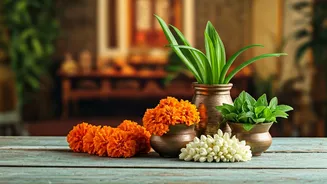
Tulsi, or Holy Basil, holds a revered position across India, especially during the winter months when its potent properties are deeply valued. Beyond its aromatic leaves, tulsi is traditionally believed to boost the immune system and combat seasonal ailments. The plant often takes center stage in household rituals, with families incorporating its leaves into their daily diet, such as adding it to tea or chewing the leaves directly. Additionally, in many Indian homes, tulsi is grown in specially designed planters, signifying its significance as a focal point for spiritual devotion. The use of tulsi extends beyond immediate health benefits; it also has spiritual significance. It is a symbol of purity and protection, creating a sense of well-being within the home. Its presence during winter is a demonstration of faith, resilience, and the enduring human-plant connection.
Methi: Winter Greens Powerhouse
Methi, also known as fenugreek, is another important plant during winter, valued for its nutritious leaves and seeds, that contribute significantly to Indian cuisine. The leaves are used in a variety of dishes, adding a unique flavor and essential nutrients to the family's meals, making it a cornerstone of the diet during the colder months. Beyond its culinary uses, methi is also known for its medicinal benefits, especially its ability to help regulate blood sugar levels, which is useful in some traditional treatments. This plant is often grown in home gardens or purchased fresh from local markets, illustrating its accessibility and prevalence within Indian households. The combination of culinary versatility and medicinal properties makes methi a practical, yet integral, part of family traditions, as it offers both nourishment and health benefits during the winter.
Sarson: Mustard Greens' Bounty
Sarson, or mustard greens, stands out during winter, especially in the northern states of India, as a major ingredient in the diet. The flavorful greens, usually cooked with other seasonal vegetables and spices, contribute to dishes such as Sarson da Saag. Sarson not only provides flavor to food but also offers a number of nutrients, supporting overall health during the winter. Cultivation and consumption of sarson has grown over generations. These plants represent the adaptability and resourcefulness of communities in India. Using and consuming sarson during the winter highlights a strong cultural connection to the land and the changing seasons.
Palak: Spinach's Nutrients
Spinach (Palak) is a popular choice during winter across India because of its nutritional benefits. It is rich in vitamins and minerals that provide essential support for health during the cold months. It can be cooked in many ways, from simple preparations to complex dishes. Its versatility makes it a favorite in many homes. Palak is often incorporated in a variety of recipes, from simple side dishes to elaborate curries, allowing families to enjoy its benefits easily. The prevalence of spinach in winter meals is a demonstration of how deeply Indian communities value nutrition and their commitment to eating healthy, seasonal foods.
Gajar: The Carrot's Sweetness
Carrots (Gajar) are another winter plant that bring both sweetness and nutrients to Indian homes. Carrots are versatile, used in soups, stews, and a variety of other meals. The carrot’s inclusion in the winter diet is an indication of the value families place on fresh, seasonal produce. Gajar not only brings nutritional benefits but also enhances the flavors of many winter dishes. This tradition of using carrots during winter highlights the connection between Indian families and the land, as they adapt to seasonal changes and maximize the use of local, fresh ingredients.
Radish: A Crisp Addition
Radishes are a crisp, winter vegetable that is a common ingredient in Indian winter meals. They are often eaten raw in salads or cooked in various dishes, adding both texture and flavor to the diet. The use of radishes in winter meals is a demonstration of how Indian families embrace and integrate seasonal produce into their daily lives. Moreover, radishes are known for their ability to aid digestion, providing additional health benefits, making them a significant addition to winter dishes. The presence of radishes in winter highlights the connection between the family and their seasonal diet, making them important to the culinary experience.
Peas: Sweet Winter Delight
Peas, or Matar, are an integral part of winter meals across India, adding sweetness and versatility to a variety of dishes. Whether used in curries, vegetable mixes, or even as standalone sides, peas are a beloved choice during the colder months, enhancing the taste and nutritional value of meals. The easy access to fresh peas from local markets and home gardens, is one of the reasons for their popularity. The incorporation of peas into winter dishes demonstrates how Indian families value both seasonal flavors and nutritional variety. This shows their commitment to enriching their diets with fresh, seasonal produce, creating a sense of enjoyment in the cold winter.