





The Paneer Predicament
For many vegetarians aiming for weight loss or fitness goals, low-fat paneer often becomes a staple protein source. Its high protein and low-fat content
make it an attractive choice for meal plans. However, a significant drawback for many is its unappealing taste and texture, which can be rubbery and unpleasant, making consistent consumption a challenge. This often leads to a struggle with adherence to dietary plans, as forcing oneself to eat something unenjoyable is unsustainable in the long run. A Chennai-based fitness coach highlights this issue, suggesting that while paneer might serve as a short-term fix, a more enjoyable and lasting strategy is crucial for achieving and maintaining fitness outcomes.
Long-Term Fitness Vision
The key to successful weight loss and sustained fitness lies in developing long-term, enjoyable habits, not just temporary dietary restrictions. Relying on unpalatable foods like low-fat paneer as a short-term strategy is destined to fail because it doesn't foster a sustainable lifestyle. Experts emphasize that fitness is a continuous journey, not a destination with an expiration date. Once a target weight is reached, reverting to old eating habits often results in weight regain. Therefore, the focus must shift to building a nutritional approach that is both realistic and pleasurable, ensuring that the efforts made to achieve fitness goals can be maintained indefinitely. This involves finding protein sources that one genuinely likes and can incorporate into their daily routine without feeling deprived.
Diverse Protein Powerhouses
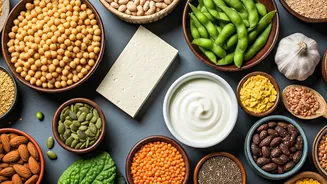
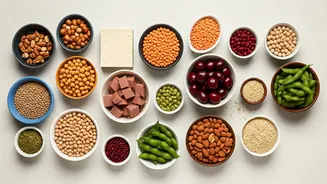
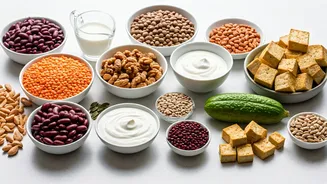
To overcome the monotony and potential aversion to certain foods, diversifying protein intake is paramount for vegetarians pursuing fitness. Instead of a sole reliance on low-fat paneer, incorporating a variety of sources makes adhering to a high-protein diet more feasible and enjoyable. Excellent alternatives include tofu and tempeh, both derived from soybeans and offering distinct textures and flavors that can be integrated into numerous dishes. Expanding the consumption of lentils and legumes, such as various dals and beans, also significantly boosts protein and fiber intake, promoting satiety. Furthermore, plain Greek yogurt stands out as another protein-rich option, offering a creamy and versatile addition to meals or snacks. Supplementing with a high-quality protein powder can also be a practical solution when whole food options are insufficient to meet daily protein targets, ensuring a consistent and satisfying approach to nutrition.
Exploring Delicious Alternatives
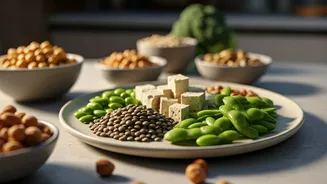
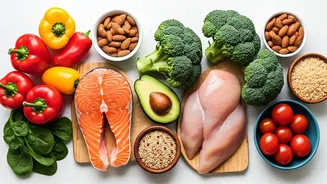
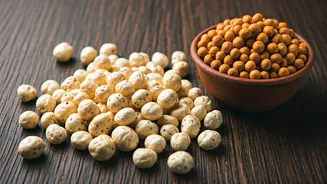
For those who find low-fat paneer unappealing, a wealth of high-protein vegetarian foods can effectively support weight loss without sacrificing taste or variety. Tofu, a versatile soy product, can be transformed into curries, stir-fries, or baked dishes, providing complete protein. Tempeh, another fermented soy food, offers a firmer texture and nutty flavor, perfect for grilling or pan-frying. Lentils and legumes like chickpeas, kidney beans, and black beans are protein and fiber champions, ideal for salads, soups, and dips. Plain Greek yogurt is a protein-packed option that can be enjoyed on its own, in smoothies, or as a dip base. Edamame, steamed and lightly salted, makes for a convenient snack. Nuts and seeds such as almonds, walnuts, and chia seeds offer protein and healthy fats in moderation. Quinoa, a complete protein grain, serves as a nutrient-dense alternative to rice. Seitan, made from wheat gluten, provides a chewy, meat-like texture for various vegetarian meals.