


The AI Disruption
The rapid evolution of artificial intelligence is no longer a distant concept but a present force reshaping numerous industries. Professionals are increasingly
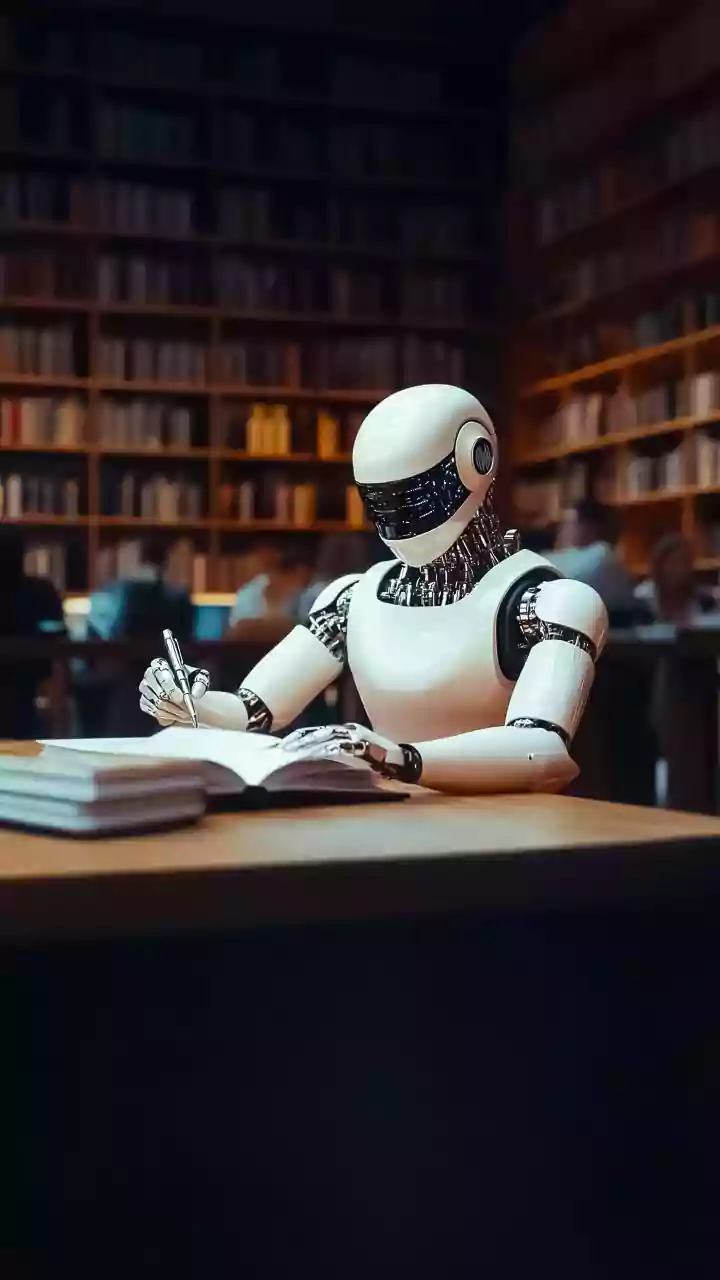
grappling with the potential consequences, from shifts in employment landscapes to alterations in how we process information. Hieu Pham, an engineer holding significant positions at both OpenAI and previously xAI, articulated a potent sentiment regarding this technological wave. He expressed a profound sense of the 'existential threat' posed by AI, questioning what remains for humanity once AI becomes exceptionally adept and fundamentally alters every facet of our lives. Pham's assertion, made on the social platform X, implies not a question of 'if' but 'when' this all-encompassing disruption will occur, sparking widespread dialogue about the inherent drawbacks and challenges associated with such powerful artificial intelligence.
Humanity's Adaptation
In response to Pham's concerns, a lively discussion has emerged, offering various perspectives on AI's impact. Many point to historical technological advancements, such as the printing press and the internet, which also initially evoked fears of profound societal change. The prevailing sentiment among some is that AI will primarily automate specific tasks rather than eliminate the fundamental purpose of human endeavor. The argument is that humanity has a remarkable capacity for adaptation, a trait that has served us through previous transformative periods. This perspective suggests that while AI might change the nature of work, it won't render humans irrelevant, but rather will prompt us to redefine our societal contributions and find new avenues for fulfillment and meaning beyond traditional economic metrics.
Defining New Value
Further elaborating on the human response to advanced AI, some believe our societal value will shift away from purely economic contributions. The notion is that with AI handling many of the tasks that currently generate income, humans will have the opportunity to define new forms of value. This could lead to a society where worth is measured by aspects beyond monetary gain, potentially fostering creativity, personal development, and exploration. The idea of rediscovering hobbies and cultivating curiosity is also brought to the forefront, suggesting that a future where AI handles much of the labor could allow individuals to pursue activities driven by intrinsic interest rather than necessity. This reframing of human purpose offers a potentially optimistic outlook on navigating the challenges of an AI-integrated world.
Broader Existential Concerns
The conversation around AI's existential implications is further amplified by other voices within the tech safety community. Mrinank Sharma, who previously led AI safety at Anthropic, recently resigned, citing profound unease. Sharma articulated a feeling of the world being on the brink of multiple interconnected crises, extending beyond just AI or bioweapons. His departure highlights a growing sentiment that humanity is approaching a critical juncture where our collective wisdom must evolve in parallel with our technological capabilities. Failure to achieve this balance, he suggests, could lead to severe and unforeseen negative consequences for civilization as a whole, underscoring the urgent need for careful consideration and ethical development of advanced technologies.