






Artemis 2's Debut
The Artemis 2 mission, a pivotal component of NASA's ambitious program, is set to launch in 2026. This mission signifies a significant leap forward in the
agency's lunar exploration plans. As the Orion capsule takes flight atop the SLS rocket, it will carry astronauts around the Moon. The Artemis 2 moon rocket has received a special 'America 250' paint job, commemorating the United States' upcoming 250th anniversary. The mission aims to build upon the successes of earlier tests. NASA is actively preparing for the launch, with rehearsals and critical systems checks underway. This mission will test capabilities and pave the way for future lunar landings with crewed missions.
Moon Landing Efforts
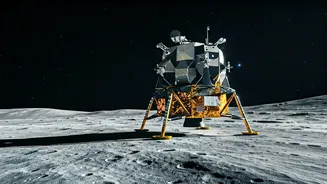
In 2026, the global push to return to the Moon will include efforts beyond NASA's Artemis program. Several private spacecraft will attempt lunar landings, indicating the growing commercial interest in space exploration. This lunar rush reflects a broader trend of collaboration among government agencies and private companies. Companies are striving to deliver payloads to the lunar surface. These missions represent significant technological advancements and underscore the ongoing efforts to establish a sustained presence on the Moon. Various missions, including those by private entities, are scheduled to contribute to scientific discovery and potential resource utilization, making 2026 a crucial year for lunar exploration.
Space Exploration Moments
Looking ahead to 2026, several significant spaceflight moments are anticipated to capture the world's attention. Along with the Artemis 2 mission, other key events are scheduled. These include the launch of new telescopes and missions focused on asteroid exploration. The launch of new telescopes, such as James Webb telescope, can help gather new insights. All of these missions and events signify the continuous advancement of space exploration. 2026 will further underscore humanity's drive to explore the cosmos and unlock its secrets. These upcoming missions provide opportunities for important scientific discoveries and add further data to our current understandings of the universe.
Mars Exploration Plans
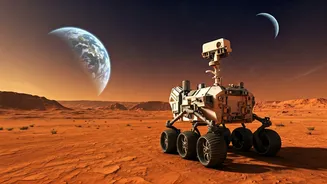
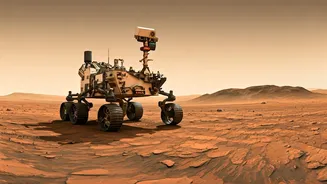
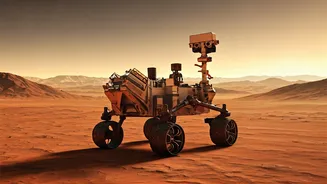
Scientists and space agencies are laying the groundwork for future human missions to Mars. Robotic explorers are being prepared to pave the way. One of the goals is to get samples from Mars and return them to earth. The objective is to bring these samples back before China's Mars explorations. NASA's ESCAPADE probes will spend a year in space before heading to Mars, allowing valuable research to happen before the Mars landings. While crewed missions to Mars remain a long-term goal, the advancements in robotic exploration and sample return missions are essential steps. These activities will help provide a clear understanding of the challenges and opportunities associated with exploring the Red Planet.