








Community Living's Emergence
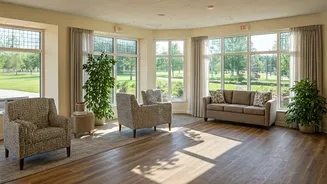
The concept of community living is gaining traction among India's senior population as a preferred option. This trend signifies a significant shift from
traditional family-centric care to a more independent and social lifestyle. Community living offers a structured environment designed to meet the unique needs of older adults, including healthcare, social activities, and safety features. Many seniors are choosing these settings because they provide opportunities for social interaction, reducing feelings of isolation, and promoting a sense of belonging. The availability of specialized care, coupled with the desire for a vibrant social life, makes community living an attractive choice for many who are redefining their lives after 60.
Challenging Ageing Myths
Various myths about ageing are prevalent in Indian society, and it is important to address them to create a more realistic view. Often, there's a misconception that ageing inevitably leads to dependency and a decline in quality of life. This narrative can be challenged by highlighting the experiences of seniors who continue to lead active, fulfilling lives. It’s also important to dispel the idea that senior living options are solely for those with health issues or financial constraints. In reality, these communities offer lifestyle choices and social environments that can enhance the lives of individuals across various health and financial statuses. The reality includes the fact that many seniors are taking an active approach to their later years, and actively seek ways to engage with their peers.
Realities of Modern Care
Modern senior care in India has evolved considerably, adapting to meet the complex needs of an ageing population. The focus is shifting from basic custodial care to a holistic approach that emphasizes wellness and independence. Facilities now offer a range of services, including medical assistance, specialized therapies, and recreational activities. Moreover, technological advancements play a vital role in enhancing care. Telemedicine, remote monitoring, and assistive devices are becoming increasingly common, ensuring that seniors have access to the resources they need. These developments are contributing to increased independence and a better quality of life. The evolution of care underscores a commitment to treating seniors with dignity and providing them with opportunities for enrichment and support.
Purposeful Ageing's Future
The concept of purposeful ageing involves encouraging seniors to remain active, engaged, and involved in meaningful activities. This approach promotes a sense of well-being and helps to maintain cognitive function and social connections. Activities include volunteering, pursuing hobbies, lifelong learning, and mentoring. The integration of purpose into senior life is crucial for a fulfilling experience. This can extend to participation in intergenerational programs. Supporting and facilitating purposeful ageing has the potential to transform how society perceives ageing and how seniors experience their later years. It is about encouraging ongoing growth and contribution and recognizing the value of the knowledge and experience that seniors bring to society.
Redefining Life After 60
Many of India's seniors are redefining their lives, moving beyond traditional expectations and embracing new opportunities. Retirement is viewed as a chance for personal exploration, and pursuing passions, whether through travel, artistic endeavors, or community involvement, is increasingly common. Many seniors are focusing on maintaining their physical and mental health. This includes regular exercise, healthy eating habits, and mental stimulation. Others are using their accumulated knowledge and experience to mentor younger generations, becoming invaluable resources for their families and communities. The shift towards independent living allows seniors to maintain their autonomy and lifestyle choices. Ultimately, redefining life after 60 is about making the most of these years.