






Unveiling Tamil Nadu's Charm
Tamil Nadu, nestled in South India, is a treasure trove of history, culture, and natural splendor. It captivates with its ancient temples, dynamic cities,
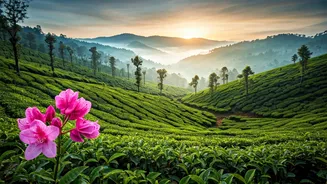
tranquil beaches, and verdant hill resorts. The state offers a multifaceted experience, catering to every traveler's desires. Chennai, the bustling capital, is a fusion of old-world charm and modern dynamism, boasting colonial architecture and the famous Marina Beach. Mahabalipuram, a UNESCO World Heritage site, enthralls visitors with its rock-cut temples showcasing exquisite Dravidian artistry. Pondicherry, a former French settlement, offers a unique Indo-French cultural blend, charming streets, spiritual centers, and picturesque coastlines. Madurai, one of the world's oldest cities, is famed for the magnificent Meenakshi Amman Temple and its lively bazaars, emanating a profound spiritual aura. For nature lovers, the hill stations of Kodaikanal and Ooty, set amidst the Western Ghats, offer misty mountains, serene lakes, and lush valleys, perfect for outdoor activities. Rameswaram, a sacred pilgrimage destination, is known for the Ramanathaswamy Temple, while Thanjavur, another UNESCO site, celebrates the architectural prowess of the Chola dynasty with its Brihadeeswarar Temple. Coonoor and Yercaud, smaller yet equally captivating hill stations, provide tranquil retreats amidst tea estates and coffee plantations, respectively. These diverse destinations collectively paint a vivid picture of Tamil Nadu's rich tapestry.
Navigating Your Visit
Planning your trip to Tamil Nadu is made easy with insights into the best times to visit and how to get around. The ideal period for exploration is from October to March, when the climate is mild and pleasant, perfect for sightseeing across the state. For those seeking cooler climes, hill stations offer temperatures between 10°C and 15°C during this time. Alternatively, the monsoon season from July to September brings lush landscapes and waterfalls, though it can also bring heavy rains and potential landslides in certain areas. Festival enthusiasts might target January for Pongal, a harvest festival, or April for the Chithirai Festival in Madurai. A week is sufficient for a core experience, but two weeks allow for deeper immersion. Travel within Tamil Nadu is facilitated by a well-connected network of air, rail, and road transport. Chennai, Madurai, Coimbatore, and Trichy are major hubs with national and international flight connectivity. The extensive railway system, including overnight sleeper trains, offers an economical and cultural travel option. For road travel, self-driving is an option on well-maintained roads, or hiring a car with a driver provides convenience. Within cities, auto-rickshaws, local buses, and rideshare apps like Ola and Uber are readily available, though navigating crowded streets might require patience. The state also boasts metro rail and suburban train services in cities like Chennai, offering efficient commuting.
Cultural Immersion and Etiquette
To truly appreciate Tamil Nadu, understanding its cultural nuances and adhering to local customs is paramount. The state's cuisine is a highlight, with iconic dishes like idli, dosa, vada, and sambar forming the heart of South Indian flavors. From simple vegetarian fare to elaborate non-vegetarian delicacies, the culinary landscape is diverse. Tamil Nadu is renowned for its rich artistic heritage, encompassing classical music, dance forms, and vibrant festivals. Pongal, a prominent harvest festival, and the Chithirai Festival, with its grand processions, are significant cultural events. When visiting religious sites, modest attire is expected: women should cover their shoulders and knees, while men may be asked to remove their shirts. This act of respect is crucial for a meaningful temple visit. For a deeper understanding of the region's history and architecture, guided heritage tours are highly recommended, offering insights into the dynasties that shaped the land. Adventure seekers can undertake treks to unique villages like Vellagavi, which maintains a centuries-old no-footwear policy. Experiencing Chettinad's heritage mansions and local crafts provides a glimpse into the lives of wealthy merchant clans. Exploring the Gulf of Mannar Marine National Park offers a unique perspective on marine biodiversity. Embracing these cultural practices and engaging with local traditions will enrich your journey through this culturally abundant state.
Safety and Practicalities
Tamil Nadu is generally considered a safe destination for travelers, including solo and female visitors, with locals often displaying remarkable friendliness and hospitality. While this welcoming nature might lead to spontaneous selfie requests, polite refusals are always an option. Nevertheless, maintaining awareness of your surroundings and trusting your instincts are crucial for a secure trip. It is advisable to avoid deserted areas, especially at night, and to arrange transportation in advance for late-night arrivals. For women travelers facing safety emergencies, Tamil Nadu provides a 24-hour helpline at 181. Carrying personal safety items like pepper spray, readily available in Chennai pharmacies, can offer additional peace of mind. Financially, Tamil Nadu caters to various budgets. While cash and digital UPI transactions are common among locals, foreign travelers might find ATMs and credit/debit card acceptance more reliable, though international card acceptance can vary. Carrying some Indian Rupees, especially for rural areas, is recommended. Budget travelers can find hostels and modest restaurants, while options for premium stays and fine dining are also abundant. Car rentals are available, with pricing typically per kilometer plus a daily driver allowance. Food costs range from affordable vegetarian meals to more expensive fine dining experiences.