





FSSAI's Strict Stance
The Food Safety and Standards Authority of India (FSSAI) has recently issued a crucial directive, emphasizing stringent oversight on food operators utilizing
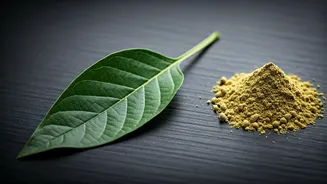
unauthorized components of Ashwagandha. This advisory specifically targets the use of Ashwagandha leaves, prohibiting their inclusion in any food products, including health supplements and nutraceuticals. According to FSSAI regulations established in 2016, only the roots and their derived extracts are deemed permissible for use in these products. State authorities have been instructed to maintain rigorous vigilance and take decisive legal action against any businesses found in violation of these guidelines. Furthermore, manufacturers are now mandated to provide clear and unambiguous labeling, specifying precisely which part of the Ashwagandha plant has been utilized in their formulations. This measure aims to enhance consumer awareness and prevent the misuse of plant parts that are not sanctioned for consumption, ensuring greater transparency and safety within the market. The Ministry of Ayush has also echoed this directive, reinforcing the prohibition of leaf-based ingredients and underscoring the potential repercussions under the Food Safety and Standards Act, 2006, for non-compliance.
Understanding Ashwagandha
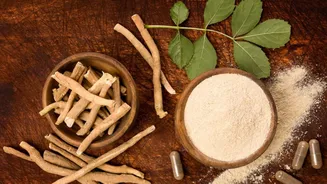
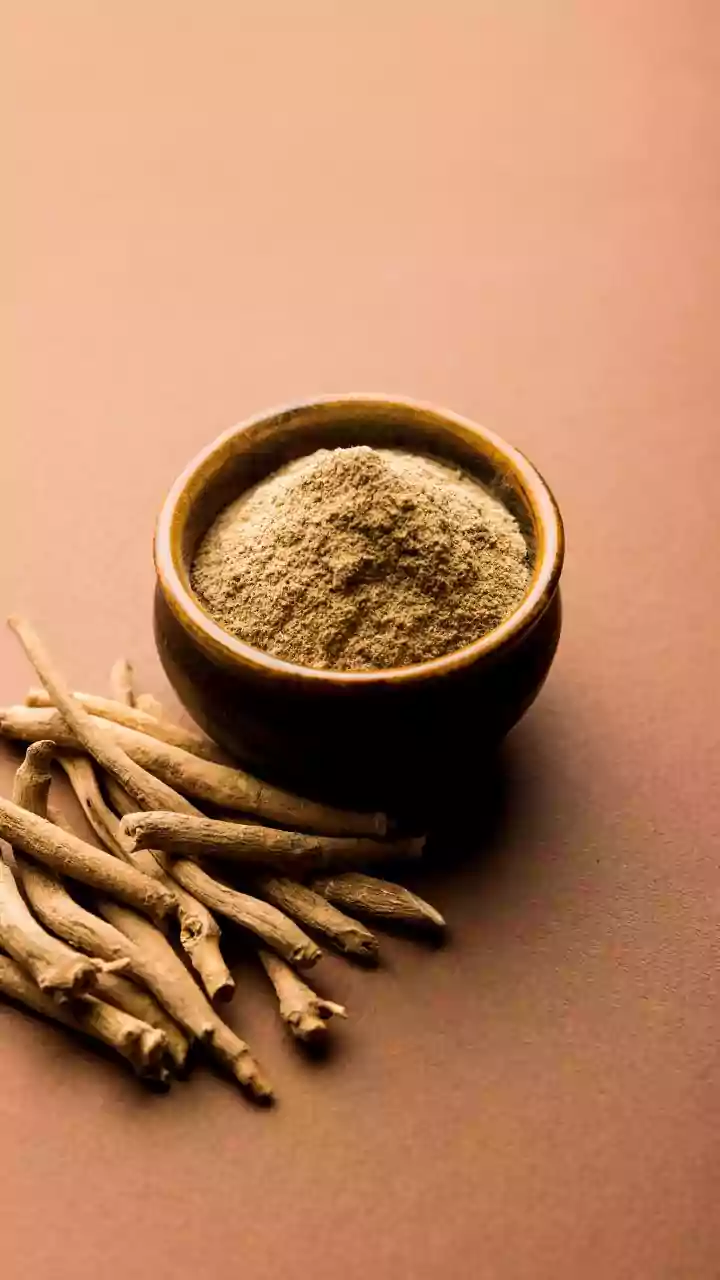
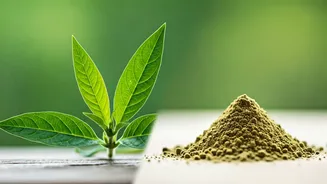
Ashwagandha, scientifically known as Withania somnifera, is an evergreen shrub indigenous to regions spanning India, parts of Africa, and the Middle East. Revered for centuries in Ayurvedic traditions, it is frequently referred to as "Indian ginseng" or "winter cherry." Historically, its root has been the most significant medicinal component, recognized for its adaptogenic properties – its ability to help the body manage stress more effectively. The plant's therapeutic effects are attributed to its bioactive compounds, primarily withanolides, which are believed to possess anti-inflammatory and antioxidant capabilities. In the commercial sphere, Ashwagandha is widely available in various forms, including root powder (churna), encapsulated pills and tablets, concentrated liquid extracts, and even integrated into gummies and blended beverages. While root-derived products overwhelmingly dominate the market, a smaller segment of vendors has historically offered Ashwagandha leaves, particularly in raw or dried formats suitable for teas. However, these leaf-based products have now been clearly excluded from regulatory approval for food applications.
Market Practices and Claims
An examination of major Ashwagandha brands in India reveals a concerning trend of unclear ingredient labeling, with many simply listing "Ashwagandha" without specifying the plant part used. This ambiguity extends to viral brands, making it difficult for consumers to discern the source of the ingredient. Established Ayurvedic companies such as Himalaya Wellness Company, Dabur, and Patanjali Ayurved generally adhere to guidelines by utilizing root-based formulations. In contrast, smaller suppliers and niche sellers have explored leaf-based products, often marketed as herbal teas or raw botanicals rather than explicit supplements, creating a nebulous area for consumers. The substantial growth of India's Ashwagandha supplements market, valued at approximately USD 60-63 million in 2024 and projected to reach USD 148 million by 2033, is largely fueled by a broad spectrum of purported health benefits. These include stress and anxiety reduction, improved sleep quality, enhanced physical performance, hormonal balance, and anti-inflammatory effects. While research supports stress and sleep benefits, many other claims await more robust, long-term scientific validation.
Expert Views on Dosage
Health professionals strongly advocate treating Ashwagandha as a medicinal herb rather than a daily dietary supplement, emphasizing that the principle of "more is better" does not apply. Experts recommend a daily intake of 300 to 600 mg of standardized root extract or 3 to 6 grams of root powder, which aligns with findings from most clinical trials and traditional usage. This dosage range is considered optimal for short-term use, with risks potentially increasing beyond these limits. Exceeding approximately 1000 to 1200 mg of extract can lead to adverse effects, and doses surpassing 2000 mg may trigger more pronounced side effects. Furthermore, prolonged unsupervised consumption at doses above 1,000-1,250 mg per day raises concerns about the potential for hepatotoxicity (liver damage) and thyroid-related issues, according to clinical dietitians. Maintaining these recommended dosages is crucial for maximizing benefits while minimizing the likelihood of adverse reactions.
Root vs. Leaf Safety
A critical consensus among regulators and medical experts is that different parts of the Ashwagandha plant possess distinct properties and safety profiles. The root is universally recognized as the safest and most thoroughly researched component. While the root has been extensively used and studied over centuries, other parts like the leaves, berries, and stems are not recommended for oral consumption. These other plant parts may contain higher concentrations of alkaloids, which can be irritating to the gastrointestinal tract and potentially cause liver toxicity. This expert opinion directly supports the FSSAI's directive to strictly limit the use of Ashwagandha to its roots and extracts in food products. Consumers are strongly advised to prioritize products derived solely from the roots to ensure safety and avoid potential adverse health effects associated with other parts of the plant.
Risks of Overconsumption
While Ashwagandha is generally well-tolerated in moderate quantities, excessive intake can precipitate a range of health issues. Overconsumption may lead to gastrointestinal disturbances such as nausea and diarrhea, excessive drowsiness or sedation, and potentially a drop in blood pressure. More serious, albeit rarer, consequences can include liver damage, disruptions in thyroid hormone levels, and hormonal imbalances. Clinical dietitians caution that sustained high doses, particularly without professional medical guidance, significantly heighten the risk of hepatotoxicity and thyrotoxicosis. It is therefore imperative for individuals to adhere to recommended dosages and durations of use to prevent these potentially severe health complications.
Who Should Avoid
Certain individuals are strongly advised to exercise extreme caution or completely refrain from using Ashwagandha. This includes pregnant or breastfeeding women, individuals diagnosed with autoimmune conditions, and those currently undergoing treatment for thyroid disorders, high blood pressure, or psychiatric conditions. People with pre-existing liver concerns should also avoid its use. Experts also highlight the potential for Ashwagandha to interact with various medications, particularly those prescribed for blood pressure and thyroid regulation. Such interactions could amplify the effects of these medications, leading to unpredictable health outcomes. Consulting with a healthcare provider is essential for anyone in these categories before considering Ashwagandha supplementation.
Safe Usage Guidelines
While Ashwagandha can offer valuable benefits, particularly for managing stress and improving sleep, it is not a universal solution for all wellness needs. The recent regulatory attention, especially concerning the use of leaf-based products, underscores the critical importance of informed consumption. To ensure a safe and effective experience, the most prudent approach involves several key practices. Consumers should exclusively opt for root-based supplements with transparent and clear labeling. It is advisable to remain within a daily dosage range of 250 to 600 mg, and to limit usage to short-term periods, typically between 8 to 12 weeks. For any prolonged use or if you have underlying health conditions, consulting a doctor prior to starting supplementation is highly recommended. Vigilance regarding what you consume is paramount for harnessing Ashwagandha's potential benefits safely.