






Nature's Laundry Basket
Long before the advent of synthetic detergents, communities across India relied on the abundant gifts of nature for their cleaning needs. Fruits and plant
extracts were meticulously employed, with reetha and hingot standing out for their remarkable cleansing properties. These natural wonders are packed with compounds that, when activated with water, mimic the action of soap, providing an environmentally conscious method for garment care. This ancestral knowledge is now resurfacing, highlighting the potential for a more sustainable lifestyle, free from the harsh chemicals often found in contemporary cleaning products. Many rural villages still embrace these age-old techniques, demonstrating a persistent commitment to living in harmony with the environment. The resurgence of interest in these practices underscores their effectiveness and their role in fostering a greener future, proving that traditional wisdom holds immense value in modern contexts.
Reetha: The Soap Nut
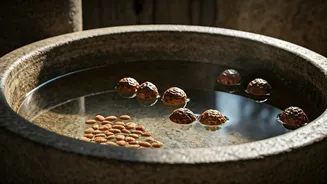
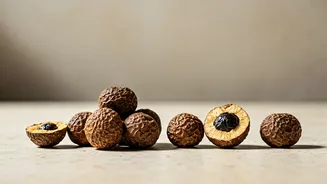
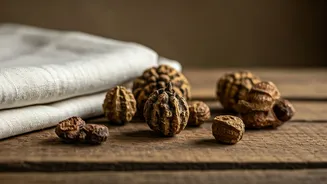
Reetha, widely recognized as the 'soap nut,' is the dried fruit derived from the Sapindus Mukorossi tree. The outer shell of this fruit is a treasure trove of saponins, which are naturally occurring compounds possessing surfactant qualities. When reetha comes into contact with water, these saponins generate a rich lather, adept at lifting and removing grease and grime from fabrics. Beyond its laundry applications, reetha has a long-standing tradition in Indian homes as a hair cleanser. Many individuals incorporate it into their weekly hair care routines, attributing its use to achieving hair that is both strong and lustrous, enhancing its natural shine and vitality. This dual utility showcases reetha's versatility and its deep integration into traditional Indian well-being practices.
Hingot: The Desert Date
Complementing reetha's cleansing power is the hingot fruit, also referred to as the desert date. This resilient fruit thrives in the arid landscapes of Rajasthan and surrounding dry regions. In rural communities, the pulp and seeds of the hingot fruit are ingeniously utilized as a natural agent for washing and purifying clothes. Its unique composition effectively breaks down and loosens dirt and oils that adhere to textile fibers, ensuring a thorough clean. The use of hingot exemplifies how resourceful communities have historically leveraged local flora to meet their everyday needs, contributing to a sustainable ecosystem. This practice is a testament to the ingenuity and deep understanding of natural resources that characterized traditional Indian living, offering a viable and gentle approach to garment maintenance.
Simple Steps for Use
Incorporating these natural cleaners into your laundry routine is remarkably straightforward. For reetha, a simple method involves taking approximately five to six reetha pods and placing them inside a small cotton or muslin bag. This bag can then be directly added to your washing machine alongside your clothes, or submerged in a bucket of water for handwashing. The beauty of this approach is its reusability; the same reetha shells can often be utilized for three to five wash cycles before needing replacement. Alternatively, you can prepare a liquid detergent by crushing eight to ten reetha pods and boiling them in water for about fifteen minutes. After straining the resulting liquid, it can be used as a potent natural detergent. This solution can be stored in the refrigerator for subsequent uses, offering a convenient and eco-friendly alternative to commercial detergents, further minimizing waste and environmental impact.