
The Rock Myth Exposed
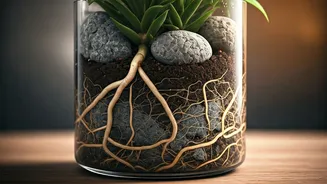
For years, a common gardening belief has suggested that layering rocks at the base of plant pots aids in drainage and prevents waterlogged soil. This practice
stems from the idea that these stones create a buffer, allowing excess water to settle below the root zone. However, horticultural experts clarify that this method is counterproductive. Instead of enhancing drainage, rocks can actually create a 'perched water table,' a zone where water becomes saturated and stays stagnant. This perpetual dampness, rather than the presence of rocks themselves, suffocates plant roots, hindering their ability to absorb oxygen and nutrients. The consequence is often an increased susceptibility to root rot, a serious condition that can be fatal to houseplants. The issue isn't the material but the standing water, which can also lead to a buildup of harmful salts, creating a toxic environment for the delicate root systems. Therefore, what is intended to be beneficial often leads to detrimental outcomes for plant health.
Drainage: The Real Hero
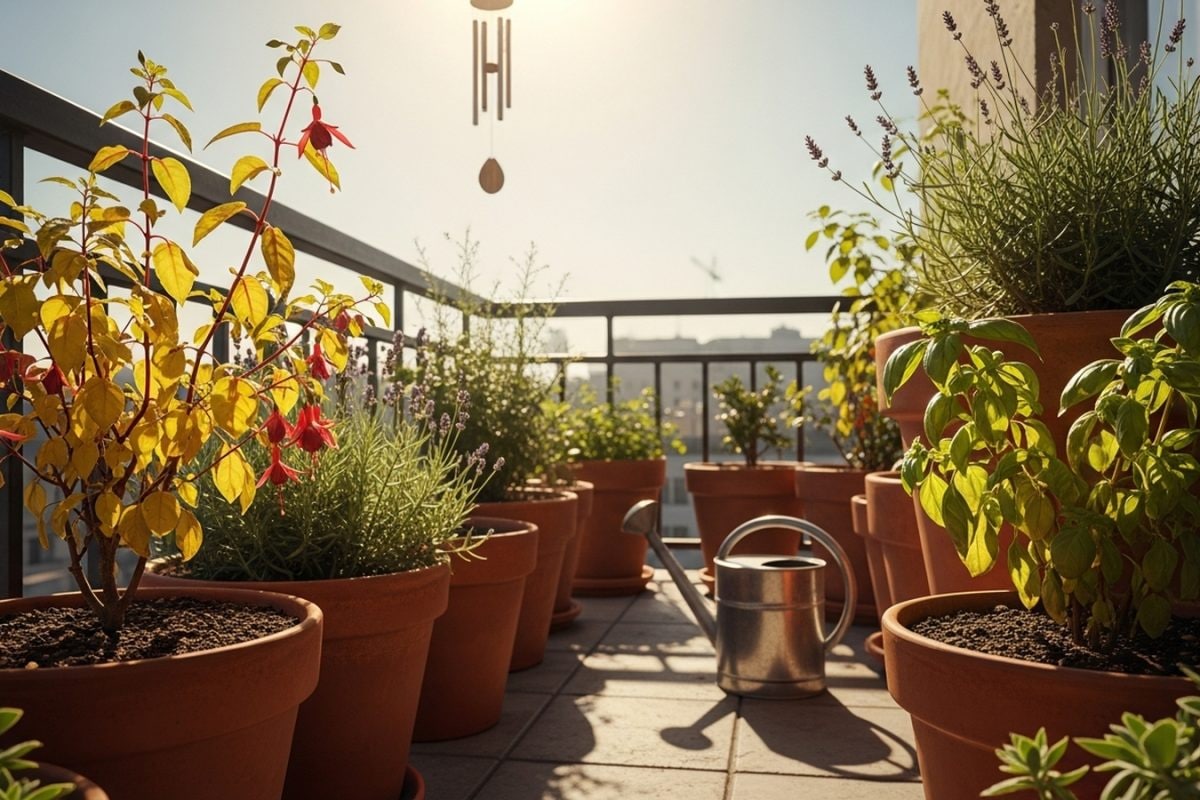
The cornerstone of healthy potted plants lies not in gravelly subterfuge, but in effective water management, primarily achieved through a crucial feature: drainage holes. Planters equipped with these openings allow surplus water to freely exit the pot, preventing the soil from becoming oversaturated. This simple design element is the most reliable method for averting root rot and ensuring that your plant's roots receive the oxygen they need to thrive. When water can escape, the soil can aerate properly, creating an environment conducive to robust root development. For those who fall in love with a pot lacking this essential feature, despair not; several effective workarounds exist. These alternatives focus on either introducing drainage or managing water levels more carefully, ensuring that the plant's well-being remains paramount, even when the planter's design isn't ideal.
Clever Potting Alternatives
When faced with an attractive planter devoid of drainage holes, adopting alternative strategies is key to plant survival and flourishing. One straightforward solution is to empower your pot with drainage by drilling holes yourself. For materials like plastic or wood, this is typically a simple task with a standard drill bit. Metal pots may require a specialized cobalt drill bit, while ceramic or terracotta pots demand more caution to avoid cracking. If the pot is particularly precious and drilling is out of the question, the 'two-pot method' offers an elegant alternative. This involves planting your houseplant in a smaller pot that has drainage holes, and then nesting that pot inside the decorative, hole-less outer pot. Crucially, the inner pot should be removed for watering, allowing all excess water to drain away before being returned to its decorative sheath. Another effective approach for managing moisture in containers without drainage is incorporating a layer of activated charcoal at the bottom; this material helps to absorb impurities and excess moisture, mitigating the risks associated with stagnant water.