




Embrace the Wilderness
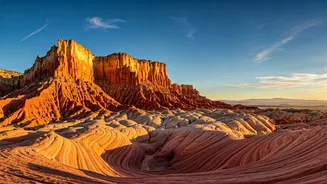
Glen Canyon National Recreation Area presents an expansive desert panorama, rivaling the visual allure of Antelope Canyon while offering a more tranquil
experience. This vast area, spanning 1.25 million acres across the Arizona-Utah border, allows visitors to immerse themselves in striking desert terrains with considerably less logistical planning and fewer fellow tourists. Unlike its more famous counterpart, Glen Canyon doesn't necessitate advance reservations or guided tours for many of its activities, making spontaneous exploration a genuine possibility. The area welcomes visitors year-round and is generally accessible 24 hours a day, although a $30 vehicle fee grants a seven-day pass. Key access points, such as Cathedral Wash and Lees Ferry, provide parking, though these can become occupied quickly during peak periods. A significant advantage for many travelers is that dogs are permitted on a leash, enhancing the flexibility for those exploring with pets. This makes Glen Canyon an exceptionally accommodating and straightforward choice for adventurers seeking the Southwest's natural wonders without the typical constraints.
Adventures Await Here
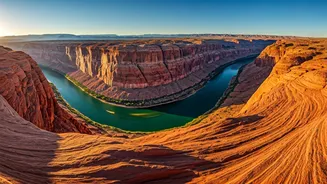
Glen Canyon National Recreation Area offers a rich tapestry of activities for every kind of explorer. For hikers, the Cathedral Wash trail is a highly recommended trek, stretching approximately three miles. This path guides you through sandy terrain and narrow canyon passages, featuring moments of light rock scrambling and requiring some navigation skills, all leading to rewarding panoramic vistas. Beyond this specific trail, the broader desert environment invites exploration on foot or via off-road vehicles. The recreation area is crisscrossed by a network of rugged, often unpaved roads, ideal for four-wheeling adventures, though a high-clearance vehicle is necessary for reaching more secluded spots and overlooks. A popular route for this is the 67-mile trail that culminates at a stunning natural amphitheater renowned for its exceptional acoustics. Lees Ferry serves as a pivotal junction for both land-based and aquatic pursuits, combining premier hiking opportunities with direct access to the Colorado River. Here, one can enjoy kayaking or fishing along a placid, picturesque segment of the river, or venture out on nearby trails. The dramatic contrast between the towering canyon walls and the vast open sky renders this area one of the recreation zone's most visually captivating locations. Lake Powell is another significant attraction, its calm, clear waters being perfect for kayaking or paddleboarding, allowing exploration of hidden coves and passage between majestic red rock formations. Boat tours and private charters are also available. Despite potential shifts in water levels impacting launch points, the experience of being on the water remains a central part of the Glen Canyon adventure. Furthermore, Horseshoe Bend, an iconic and frequently photographed landmark within the recreation area, is easily accessible. A short, clearly marked hike leads to an overlook offering a dramatic 270-degree curve of the Colorado River, framed by imposing sandstone cliffs. The trailhead, situated near U.S. Route 89 close to Page, requires a paid parking fee. For those venturing further, Rainbow Bridge National Monument, one of the world's largest natural bridges, is typically reached by boat on Lake Powell. However, fluctuating water levels can affect dock-to-trail access, potentially limiting proximity. For a truly remote expedition, a challenging overland journey is an option, contingent on obtaining a permit. These diverse offerings ensure that Glen Canyon provides an abundance of engagement for all visitors.
Optimal Visiting Seasons
Planning your visit to Glen Canyon National Recreation Area with the weather in mind will significantly enhance your experience. The spring and fall seasons are generally considered the most comfortable for hiking and general exploration. During these periods, temperatures are milder, making it more pleasant to traverse the trails without the intensity of summer heat or the chill of winter. Winter offers a quieter atmosphere, with cooler temperatures and occasional winds, but it boasts fewer visitors and exceptionally clear desert vistas, which can be ideal for photography or a peaceful retreat. However, summer can be intensely hot, particularly within the canyon depths. If visiting during this time, it is crucial to start your outdoor activities early in the day and carry significantly more water than you might anticipate needing. As with any slot canyon environment, vigilance regarding weather forecasts is paramount. Flash floods can occur even if precipitation is not directly overhead, posing a serious risk. Always check local conditions and be prepared for rapid changes, ensuring safety remains a top priority throughout your adventure in this stunning natural landscape.
Navigating to Glen Canyon
The sheer scale of Glen Canyon National Recreation Area means that your entry point choice will largely depend on your intended activities and desired sights. The town of Page, Arizona, is a common base for many visitors due to its proximity to Lake Powell and convenient access to attractions like Horseshoe Bend, Lees Ferry, and Cathedral Wash. A personal vehicle is essential for navigating this region. Page is situated approximately 2.5 hours by car from Flagstaff, Arizona, and about 4.5 hours from Phoenix. Once in the Page area, most trailheads and scenic viewpoints are easily reachable by car. For those flying in, the nearest airports offering commercial flights are St. George, Utah, and Flagstaff, both approximately a 2.5-hour drive away. While flying into Phoenix or Las Vegas might offer a wider array of flight options, be prepared for a longer journey of around 4.5 to 5 hours by road to reach the recreation area. Careful planning of your travel route ensures a smoother transition into the natural beauty that awaits.