

Your Kitchen's Hair Hero
Feeling overwhelmed by the endless hair product aisle and questioning the efficacy of pricey serums? You're not alone in seeking that dream of long, beautiful
hair. Before you splurge on the latest trendy growth elixir, consider a simpler solution right in your pantry: yeast. This humble ingredient, perhaps leftover from a forgotten baking project, is emerging as a fantastic DIY hair treatment. While it won't grant overnight Rapunzel-like lengths, yeast is exceptionally effective at fortifying existing fragile hair, significantly reducing split ends and breakage, and revitalizing your scalp. It's a powerful, accessible option for anyone looking to improve their hair's overall health and appearance without breaking the bank.
The Science of Yeast
The effectiveness of yeast as a hair treatment stems from its rich nutritional profile. It's packed with essential B-complex vitamins, most notably Biotin (Vitamin B7), which is crucial for keratin production, the fundamental protein composing your hair. Additionally, Niacin (B3) in yeast promotes vasodilation, improving blood flow to the scalp. This enhanced circulation ensures that more oxygen and vital nutrients reach hair follicles. The amino acids present act as building blocks, boosting hair elasticity and resilience, thus preventing snaps and breaks during styling. Trace minerals like zinc and selenium help reduce scalp inflammation and regulate oil production, while its natural antifungal properties combat dandruff-causing microbes like Malassezia, making it a comprehensive solution for scalp health and hair strength.
Crafting Your Mask
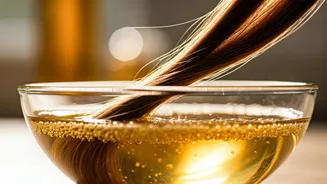
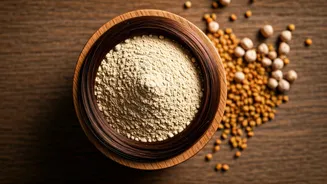
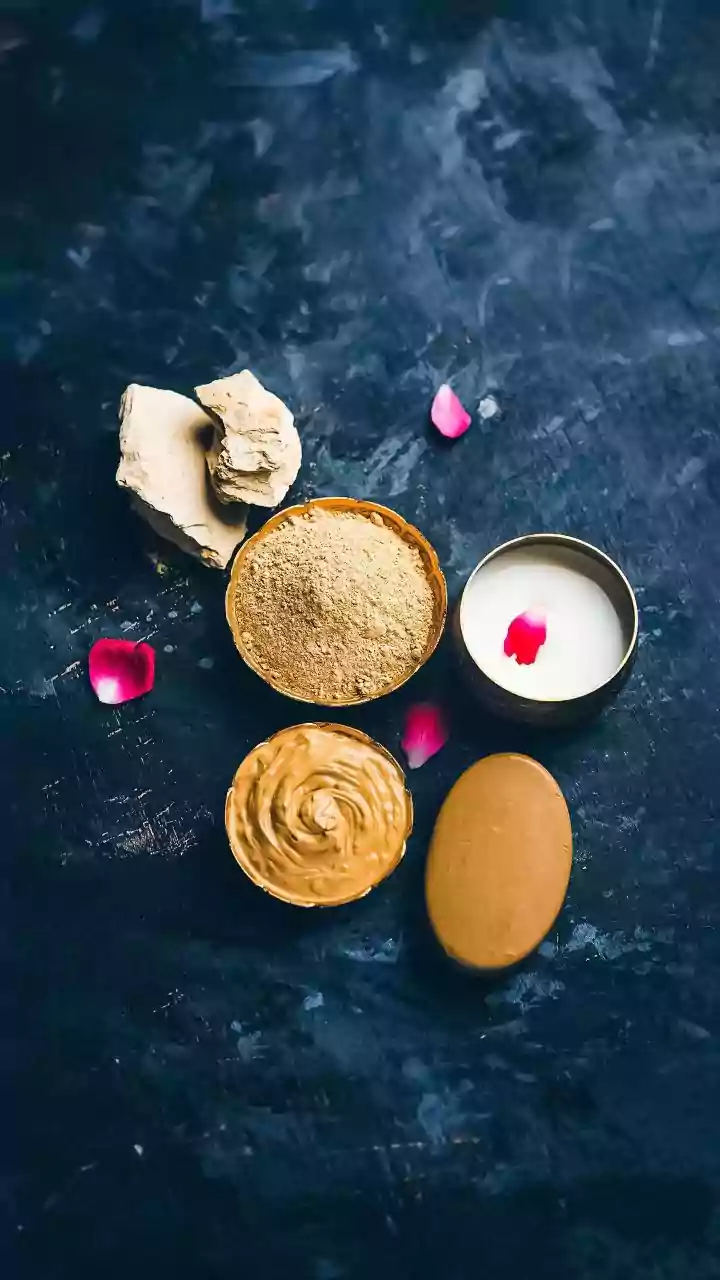
Creating your own potent yeast hair mask is remarkably straightforward. Begin by combining two tablespoons of active dry or brewer's yeast with three to four tablespoons of lukewarm water in a small bowl. It's crucial that the water is warm, not hot, as excessive heat will deactivate the yeast. Allow this mixture to rest for approximately 10 to 15 minutes until it becomes visibly frothy, indicating successful activation. Once it bubbles, incorporate one tablespoon of honey. Honey functions as a natural humectant, drawing and retaining moisture within your hair strands. For individuals with exceptionally dry or coarse hair, an optional boost can be achieved by whisking in one egg yolk and a teaspoon of olive or coconut oil for intensified conditioning.
Application and Results
For optimal absorption, apply the yeast mask to clean, slightly damp hair. Divide your hair into manageable sections and thoroughly massage the activated frothy mixture into your scalp for a duration of three to five minutes. This scalp massage, combined with the Niacin in the yeast, significantly enhances microcirculation. Distribute any remaining mixture through the lengths and ends of your hair to smooth the hair cuticles. To encourage nutrient penetration, cover your hair with a shower cap; the trapped body heat aids this process. Leave the mask on for 30 to 45 minutes. Afterward, rinse out completely using lukewarm water and a mild shampoo. Incorporating this treatment once or twice weekly is recommended for consistent benefits.
DIY vs. Commercial
When comparing this homemade yeast mask to commercial hair growth serums, the choice largely depends on your specific needs and budget. Professional serums often utilize chemical stimulants like Minoxidil and are backed by clinical research, making them a primary option for genetic thinning or advanced hair loss. However, these can lead to scalp irritation, an initial shedding phase, and significant recurring costs, ranging from approximately ₹2,500 to over ₹8,300 monthly. In contrast, the yeast mask offers topical nutrient delivery with predominantly anecdotal evidence, yet the scientific basis for its ingredients is robust. Side effects are rare, and the cost is minimal, typically around ₹80 to ₹250 per use. For enhancing shine, reducing breakage, and soothing the scalp affordably, this kitchen-based remedy is an excellent, cost-effective addition to your hair care regimen.