

Global Acclaim for Indian Puddings
The renowned online food authority, TasteAtlas, recently unveiled its comprehensive ranking of the world's finest rice puddings, a list that prominently
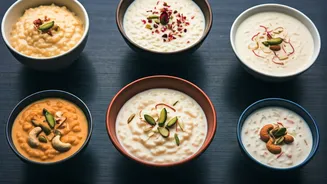
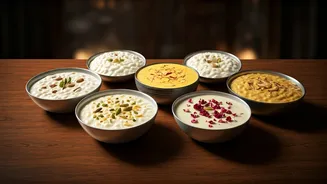
features India's diverse culinary landscape. Among the top 32 global entries, India proudly showcased six of its traditional rice-based delights. This international recognition underscores the depth and regional variety inherent in Indian cuisine, highlighting how simple ingredients can be transformed into dishes deeply woven into the cultural fabric. These puddings are not merely sweet endings to a meal; they are edible narratives of tradition, family, and regional identity, resonating with people across the globe through their comforting textures and aromatic profiles.
Phirni: A Festive Creamy Delight
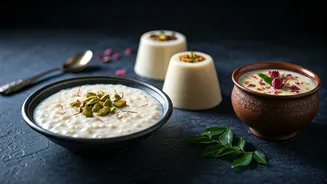
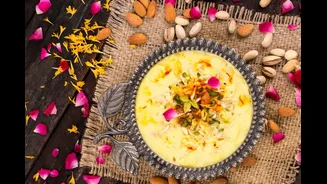
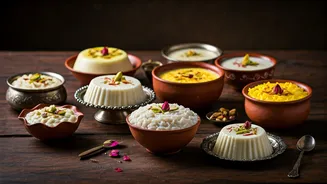
Claiming the 3rd spot on the global chart, Phirni stands out with its lusciously smooth texture and delicate aroma. This dessert is crafted through a meticulous slow-cooking process, where rice flour, milk, and sugar are simmered to perfection, often infused with cardamom or saffron. Phirni is traditionally served chilled in small, unglazed earthen pots, which help to enhance its cool and refreshing quality. Food historian Sadaf Hussain emphasizes that the magic of Phirni lies not just in its taste but in the immersive experience of its preparation – the patient simmering, the evolving fragrance, and the anticipation it builds. This mindful approach to cooking transforms basic components into an elegant and cherished festive treat, embodying a sense of occasion and celebration in every spoonful.
Kheer: Ancient Roots, Enduring Popularity
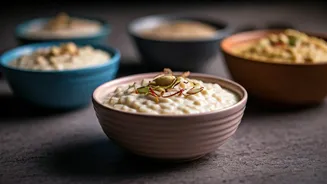
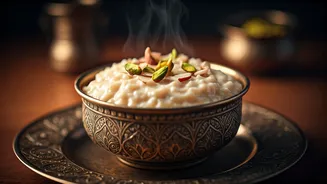
Securing the 7th position, Kheer represents one of India's oldest and most universally adored desserts, with a lineage tracing back to ancient culinary texts. Its preparation involves simmering rice, milk, and sugar, often enriched with nuts like almonds and pistachios, and flavored with cardamom. Kheer's enduring appeal stems from its comforting simplicity and its adaptability to regional variations. Hussain notes the remarkable continuity of Kheer, observing that its essence has remained largely unchanged from historical accounts to contemporary preparations. This historical depth and widespread acceptance solidify Kheer's status as a timeless classic, a testament to its fundamental deliciousness and its deep-seated place in Indian culinary heritage, enjoyed across generations and celebrations.
Sakkarai Pongal: Harvest's Sweet Offering
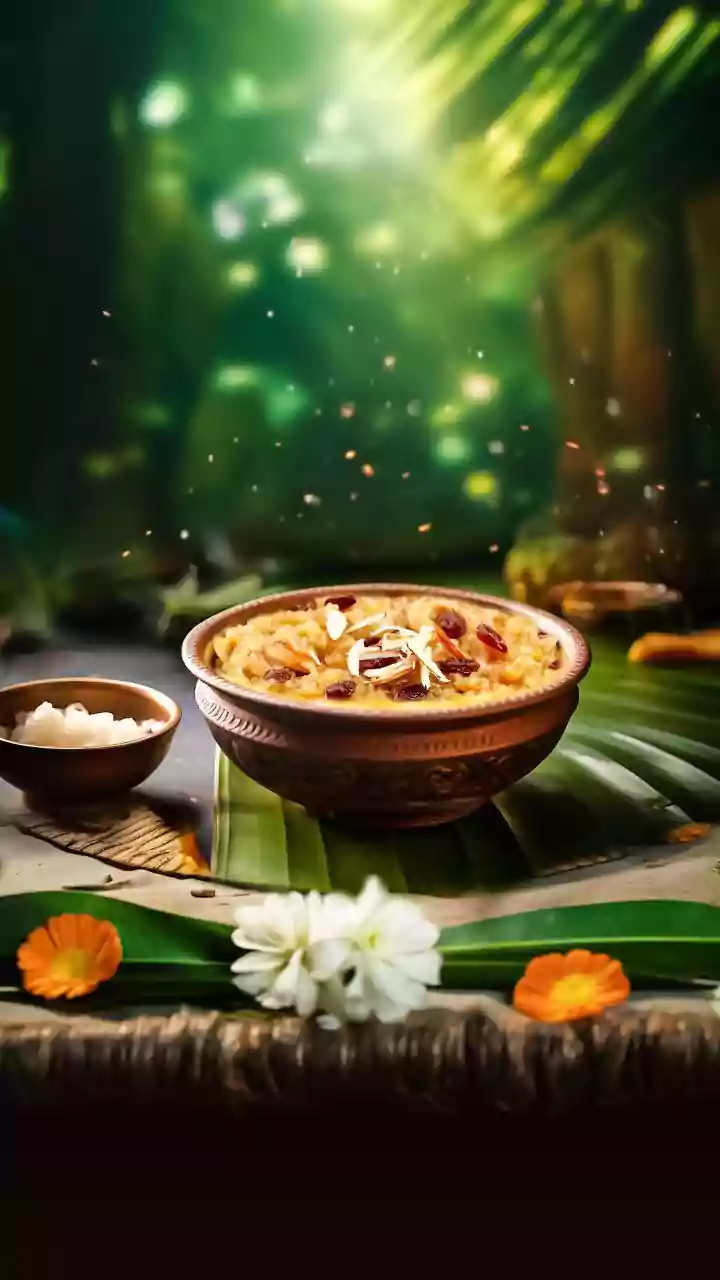
Ranked 15th, Sakkarai Pongal hails from South India and is intrinsically linked to agrarian traditions and harvest festivals. This sweet rendition of Pongal is made with rice, jaggery (unrefined cane sugar), ghee, and often flavored with cardamom and cashews. Its preparation is a ritualistic act, celebrating the bounty of the land and the cycles of agriculture. Hussain eloquently explains that consuming Sakkarai Pongal during harvest season signifies a participant's connection to the land, the labor involved in cultivation, and the deeply held beliefs surrounding nature's generosity. It embodies a harmonious blend of sustenance, tradition, and gratitude, making it a significant dish during times of thanksgiving and festivity.
Pongal: Comfort in Simplicity
The dish named simply 'Pongal' achieved the 19th spot, highlighting its ubiquitous presence and comforting nature, even though it often appears in savory forms. This South Indian staple, typically made from rice and lentils, offers a warm, porridge-like consistency that is deeply satisfying. Its inclusion on a list of rice puddings acknowledges its textural similarities and its role as a foundational comfort food in everyday South Indian life. Pongal's significance extends beyond mere sustenance; it is a dish that anchors daily meals and cultural practices, reflecting a connection to local produce and a lifestyle that values wholesome, easily prepared meals. Its versatility and widespread appeal make it a true cultural touchstone.
Doodhpak: Western India's Indulgence
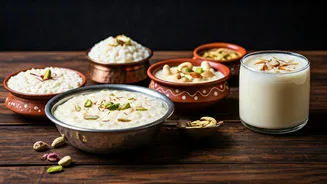
Holding the 24th position, Doodhpak represents a richer, more decadent iteration of rice pudding from Western India. This dessert is prepared by simmering milk and rice until the mixture thickens considerably, creating a luxurious texture. It is characteristically flavored with generous amounts of saffron, which imparts a beautiful golden hue and a distinct aroma, along with slivered nuts like almonds and pistachios. Doodhpak's opulent preparation reflects the regional culinary inclinations towards rich flavors and celebratory indulgence, often reserved for special occasions and feasts. It offers a delightful contrast to simpler rice preparations, embodying a spirit of generosity and a penchant for luxurious tastes characteristic of Western Indian cuisine.
Ven Pongal: Savory Contrasts
Rounding out India's impressive showing at 26th place is Ven Pongal, a unique savory preparation that challenges the typical dessert perception of rice pudding. This dish masterfully combines rice and lentils, seasoned with a robust blend of spices, black pepper, curry leaves, and generously tempered with ghee. Chef and food historian Osama Jalali points out that regional identities are deeply ingrained in food, shaped by climate, local ingredients, and lifestyle. Ven Pongal exemplifies this, showcasing how a simple rice and lentil base can be transformed through local spices and cooking methods into a distinctly savory and flavorful dish. Its inclusion highlights the incredible diversity within India's rice-based culinary traditions, proving that these dishes are far more than just sweet treats.
The Essence of Indian Rice Puddings
The enduring appeal of Indian rice puddings, as articulated by food experts, lies in a trifecta of elements. Firstly, their preparation often involves slow-cooking techniques that meticulously build layers of deep, nuanced flavor, creating an unparalleled taste experience. Secondly, these dishes are imbued with rich cultural significance, serving roles in everything from joyous celebrations and religious offerings to somber mourning rituals, thereby connecting generations through shared culinary memories. Thirdly, there is a remarkable consistency in their preparation across centuries, ensuring that authenticity and traditional methods are preserved. As Hussain aptly puts it, these puddings are not merely desserts but "memories served in a bowl," and for temple foods, the sweetness symbolizes prosperity, abundance, and gratitude, offering a spiritual dimension to their consumption.
Healthier Twists on Classics
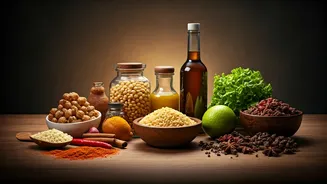
For those seeking a healthier approach without compromising on flavor, chefs suggest innovative modifications to these beloved rice puddings. For Phirni, replacing refined sugar with natural sweeteners like dates or jaggery, and opting for low-fat or plant-based milks such as almond milk, can significantly reduce sugar and fat content. Kheer can be revitalized by substituting white rice with whole grains like brown rice or nutrient-rich millets, and enhancing its protein profile with added nuts and seeds. Sakkarai Pongal's sweetness can be moderated by reducing jaggery by 25-30%, while incorporating more moong dal boosts its nutritional value. Ven Pongal benefits from the addition of assorted vegetables for increased fiber and the use of ginger and pepper to aid digestion. Doodhpak can be lightened by using toned or nut milk, and incorporating fruits like lauki (bottle gourd) or apple for added volume and nutrients. Even the versatile Pongal can be made healthier by replacing some rice with millets, or by adding lentils, with fermented variations offering a unique probiotic boost. These adjustments ensure that the essence of culture, nostalgia, and celebration remains intact while catering to modern health consciousness.