





Gear Up Smartly
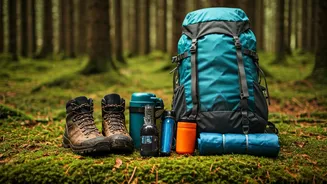
Selecting the right equipment is paramount for any multi-day trek. When choosing essential items like your tent, sleeping bag, and backpack, it's crucial
to conduct thorough research and assess each piece of gear with a critical eye. Consider factors such as weight, durability, weather resistance, and comfort. Thru-hikers often emphasize the importance of a reliable pack that distributes weight evenly to prevent strain over long distances. Similarly, a sleeping bag rated for the expected temperature range is vital for rest and recovery. Don't overlook smaller, yet critical items like a first-aid kit, navigation tools, and reliable water purification methods. Investing time in understanding your gear's capabilities and limitations will significantly enhance your overall trail experience and safety.
Trail Nutrition Strategies
Maintaining a healthy diet on a long-distance hike presents a unique challenge, as many traditional trail foods are processed and lacking in nutritional value. However, it is possible to eat well and fuel your body effectively. Experienced thru-hikers suggest focusing on calorie-dense, lightweight, and easily prepared meals. Incorporate a variety of macronutrients by including lean proteins, complex carbohydrates, and healthy fats in your daily intake. Dehydrated meals, nut butters, jerky, and dried fruits are good options for on-the-go nutrition. Planning your meals ahead of time, considering resupply points, and experimenting with different food options during shorter trips can help you dial in a sustainable and satisfying nutrition plan for the trail.
Fitness for the Long Haul
Building and maintaining physical conditioning is a cornerstone of successful thru-hiking. The demanding nature of covering hundreds or even thousands of miles requires a robust fitness regimen that goes beyond casual walking. Prioritize cardiovascular endurance through activities like running, cycling, or stair climbing. Strength training, particularly focusing on your legs, core, and back, is equally important for carrying a loaded pack and navigating uneven terrain. Incorporate hiking with a weighted backpack into your training schedule to simulate trail conditions and allow your body to adapt. Consistency is key; engage in regular workouts during the off-season and gradually increase intensity as your hike approaches to prevent injuries and ensure you're trail-ready.
Survival Skills Essentials
Beyond physical preparedness, a solid understanding of wilderness survival can be a critical asset on any long-distance hike. This knowledge can turn potential hazards into manageable situations. Basic survival skills include understanding how to find and purify water, build emergency shelters, start a fire in various conditions, and signal for help. Familiarizing yourself with local flora and fauna, identifying potential dangers like poisonous plants or venomous animals, and knowing basic first aid for common injuries are also vital. Even a brief survival course can provide invaluable techniques and build the confidence needed to handle unexpected challenges in remote environments.
Navigation and Safety
Navigating trails and ensuring personal safety are non-negotiable aspects of thru-hiking. While marked trails are common, the possibility of getting lost or encountering unforeseen circumstances requires vigilance. Carrying and knowing how to use a map and compass is fundamental, even with the advent of GPS devices. Many hikers opt for GPS units or smartphone apps as supplementary tools, but understanding traditional navigation methods provides a crucial backup. Always inform someone of your itinerary and expected return time. Brightly colored clothing, like pink, can serve as a visual aid for search and rescue teams in emergency situations, enhancing your visibility. Carrying a personal locator beacon (PLB) or satellite messenger can provide a lifeline in areas with no cell service.
Mental Fortitude Unlocked
Thru-hiking is as much a mental challenge as it is a physical one. The prolonged periods of solitude, demanding weather, and physical fatigue can test even the most resilient individuals. Developing mental toughness involves cultivating a positive mindset, practicing mindfulness, and learning to overcome moments of doubt or discomfort. Break down the long journey into smaller, manageable segments, celebrating milestones along the way. Engaging with the natural environment and appreciating the journey itself can foster a deeper connection to the trail and enhance overall satisfaction. Having strategies to cope with boredom, loneliness, and the inevitable hardships will be instrumental in completing your thru-hike successfully.