






The Lycopene Secret
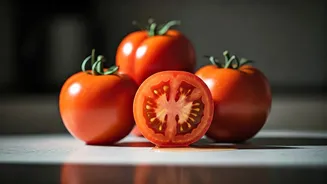
Tomatoes are celebrated for their vibrant color and numerous health advantages, largely attributed to a potent antioxidant called lycopene. This compound,
responsible for the tomato's signature red hue, is a powerhouse in protecting your body. Scientific studies have indicated that lycopene plays a significant role in safeguarding cardiovascular health by reducing the oxidation of LDL cholesterol, a crucial factor in preventing heart disease. Beyond internal benefits, lycopene offers remarkable advantages for your skin. It acts as an internal shield, potentially increasing your skin's natural sun protection factor (SPF) by up to 40 percent. This remarkable effect stems from lycopene's ability to promote DNA repair, inhibit collagen breakdown, and prevent the formation of age spots, contributing to a more youthful and resilient complexion. It's this exceptional antioxidant capacity that makes understanding its optimal consumption paramount for those seeking holistic health and anti-aging improvements.
Cooking Enhances Absorption
While many assume raw is always best for nutrient intake, the reality for tomatoes and their star compound, lycopene, is quite different. Research suggests that consuming tomatoes in their cooked form significantly boosts the body's ability to absorb lycopene. The heat applied during cooking helps to break down the tomato's sturdy cell walls, liberating more of the beneficial lycopene and making it more accessible. However, the true magic happens when cooked tomatoes are paired with healthy fats. Lycopene is a fat-soluble nutrient, meaning it requires fat to be effectively absorbed by the body. Without it, a substantial portion of the lycopene you consume might pass through undigested. This is where simple culinary techniques, like those traditionally used in Italian kitchens, come into play, transforming a common ingredient into a potent health elixir.
The Optimal Tomato Meal
To truly harness the anti-aging and health-promoting properties of tomatoes, a specific preparation method is recommended by experts. Instead of eating them raw, the key is to cook them, ideally with a source of healthy fat such as olive oil. This culinary approach dramatically increases the bioavailability of lycopene. For instance, preparing a tomato paste by cooking tomatoes down with olive oil can lead to an impressive 70 percent boost in lycopene absorption. This means that a small serving, such as three tablespoons of tomato paste combined with olive oil, can provide the equivalent of consuming approximately 20 pounds of raw tomatoes to reach the 10 mg of lycopene often used in clinical trials for significant benefits. Therefore, incorporating dishes like tomato sauce sautéed in olive oil, roasted tomatoes drizzled with oil, or even a salad with tomatoes and avocado are excellent ways to maximize these healthful advantages.