






The Unfolding Crisis
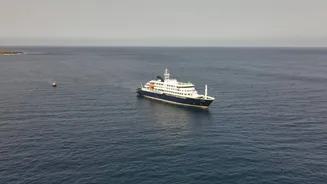
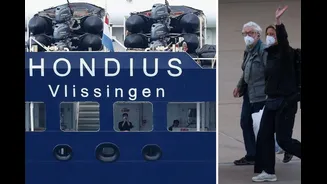
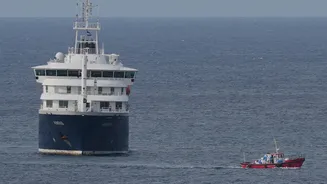
The MV Hondius, a vessel on an expedition from Argentina to Antarctica and isolated South Atlantic islands, became the scene of a significant health emergency.
The ship, carrying approximately 150 individuals, encountered a hantavirus outbreak that tragically resulted in the loss of three lives and affected several others. The World Health Organization confirmed a total of seven cases, including three fatalities, one critically ill passenger who was medically evacuated, and three passengers exhibiting milder symptoms. This situation prompted the ship to anchor off the coast of Cape Verde, awaiting further medical evacuations before continuing its journey to Spain's Canary Islands. The incident highlighted the potential vulnerabilities of enclosed environments to infectious diseases, even in remote expeditions.
WHO's Alert and Response
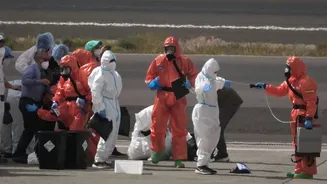
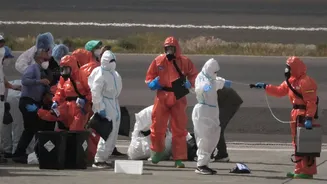
The World Health Organization was alerted to a concerning cluster of respiratory issues among passengers on the MV Hondius on a Saturday. Dr. Tedros Adhanom Ghebreyesus, the WHO's chief, announced that a total of eight cases had been reported, with five confirmed and three suspected, sadly leading to three deaths. The organization's proactive involvement involved monitoring the situation closely and providing guidance. Dr. Maria Van Kerkhove, WHO's director of epidemic and pandemic preparedness, indicated that investigations into potential human-to-human transmission were underway, though initial assessments suggested the first infection likely occurred before boarding. The authorities, alerted to the outbreak, dispatched medical teams to the ship as a precautionary measure.
Passenger Perspectives
Despite the gravity of the hantavirus outbreak, passengers aboard the MV Hondius maintained a remarkably resilient outlook. Qasem Elhato, a passenger, shared that life on board had largely continued close to normal, with everyone occupied with activities like reading and watching movies, contributing to a high morale. He emphasized the collective waiting for a resolution from the authorities. Another passenger, Helene Goessaert, acknowledged the surreal nature of their shared predicament, stating, “You don’t embark on a trip with the idea that one of your fellow passengers won’t make it.” She also commended the consistent and accurate information flow from the ship's management, noting the importance of receiving essential supplies like fresh fruits and vegetables, which significantly boosted their well-being during the challenging period.
Understanding Hantavirus
Hantavirus, the pathogen responsible for the outbreak on the MV Hondius, is primarily transmitted through the inhalation of contaminated rodent droppings. While direct person-to-person transmission is considered rare, health officials have noted its potential possibility. The initial cases included the unfortunate death of a Dutch man, whose body was disembarked at St. Helena. Tragically, his wife also succumbed to the virus after collapsing at Johannesburg airport and passing away in the hospital. Another British passenger was airlifted to South Africa for intensive care, and two additional individuals tested positive for the virus. Investigations into the source of the outbreak are crucial, especially given the assertion by officials that no rats were found on board the vessel, suggesting the initial infection may have occurred prior to the voyage.