





A New Grain Emerges
In a remarkable feat of food science, researchers at CSIR-NIIST have engineered a novel rice variety dubbed 'designer rice.' This groundbreaking innovation,
spearheaded by Director C Anandharamakrishnan, represents a sophisticated approach to "food architecture." The primary aim is to create a staple food that significantly enhances protein content while simultaneously exhibiting a reduced glycaemic index (GI) when compared to conventional rice varieties. This development is poised to address critical health challenges prevalent in India, particularly the dual concerns of a burgeoning diabetic population and widespread 'hidden hunger,' a condition where individuals consume enough calories but lack essential nutrients like protein and micronutrients.
Crafting Nutritional Excellence
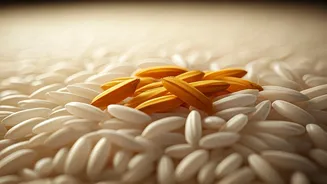
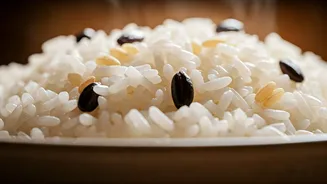
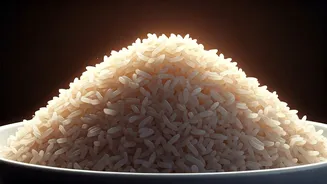
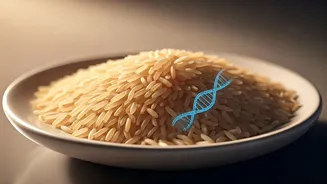
The ingenious creation of designer rice hinges on an innovative food-processing technique rather than genetic modification. Scientists have ingeniously utilized broken rice grains, typically relegated to lower-value markets or discounts. These broken grains are meticulously ground into a fine flour, which is then artfully blended with essential proteins and vital micronutrients, including iron, folic acid, and Vitamin B12. This fortified mixture is subsequently reformed into grains that are indistinguishable in appearance, texture, and taste from familiar rice varieties. This process effectively rebuilds the grain, strategically reducing its starch content to accommodate a richer profile of protein and beneficial micronutrients, much like reinforcing the structure of a house with stronger materials.
Unlocking Health Benefits
Designer rice offers a trifecta of health advantages. Firstly, its significantly lower glycaemic index, registering below 55, ensures a gradual release of energy, thereby preventing the sharp blood sugar spikes that are a major concern for individuals managing diabetes. Secondly, it transforms rice from a modest protein source (typically 6–8%) into a nutritional powerhouse, boasting an impressive protein content exceeding 20%. Thirdly, it acts as a fortified defense against common deficiencies by incorporating iron, folic acid, and Vitamin B12 directly into the grain's matrix, effectively combating issues like anaemia and bridging nutrient gaps. The taste is reportedly even enhanced due to the higher protein concentration, making it a palatable and culturally adaptable dietary upgrade.
Sustainability and Culture
Beyond its remarkable nutritional profile, designer rice champions a sustainable 'circular economy' model by repurposing broken rice grains, a byproduct of the milling process. This approach adds significant value for farmers, transforming an underutilized resource into a high-value product. Crucially, this innovation respects Indian culinary traditions, requiring no radical shifts in diet. Consumers can continue enjoying their beloved rice dishes, from pulao to biryani, without needing to adopt expensive or unfamiliar alternatives like quinoa. This makes designer rice a culturally sensitive and practical solution for enhancing national health, positioning the humble rice grain not merely as a side dish but as a cornerstone of a healthier nation.