






The Post-Meal Sweet Surge
Have you ever finished a meal, feeling satisfied yet inexplicably drawn to something sweet? This common experience might be more than a simple preference
or a cultural habit. Emerging scientific insights suggest that persistent post-meal sugar cravings could signal an underlying metabolic imbalance. When meals are heavily reliant on refined carbohydrates like rice and roti, they cause a rapid increase in blood sugar. Your body then releases insulin to manage this spike. However, if the meal lacks sufficient protein and fiber, this blood sugar rise can be swift, leading to an equally rapid drop. This sudden decline can trick your brain into believing it needs an immediate energy boost, prompting the desire for quick-fix sugars. This phenomenon, sometimes referred to as reactive hypoglycemia, is often experienced not as a diagnosed condition, but as an irresistible craving that's difficult to ignore, indicating a potential imbalance in how your body processes energy after eating.
Protein: The Missing Link
The primary driver behind these persistent post-meal sweet cravings is often a deficiency in dietary protein. Protein is crucial for more than just muscle development; it plays a significant role in satiety and metabolic regulation. When a meal is insufficient in protein, the body doesn't receive the necessary signals of fullness and satisfaction it typically receives from balanced meals. This lack of a satisfying signal prompts the brain to seek out readily available energy sources, which are sugars. Scientific evidence indicates that protein influences key hormones, such as GLP-1 and peptide YY, that communicate fullness to the brain. Without adequate protein, these signals are weakened, leading your body to continuously seek more food. Clinical studies suggest that incorporating around 20–30 grams of protein into your meals can substantially reduce these after-meal cravings. The focus should be on the composition of your meals rather than simply increasing the quantity of food consumed.
Your Gut's Role
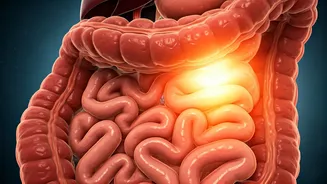
The health of your gut microbiome also plays a surprisingly significant role in your post-meal cravings. The diverse community of bacteria residing in your digestive system responds and adapts to the foods you consume. Consistently high-carbohydrate diets tend to promote the growth of gut bacteria that thrive on sugars. Consequently, these sugar-loving microbes can actively influence your food preferences, nudging you towards sweet foods more frequently. If your daily meals are predominantly composed of refined carbohydrates with insufficient protein, your gut bacteria may develop a stronger inclination to encourage sugary food choices. This isn't merely a matter of willpower; it's a biological feedback loop where your gut environment reinforces a pattern of craving sweets, creating a self-perpetuating cycle.
Beyond Biology: Habits
While biological factors heavily influence sweet cravings, psychological conditioning also contributes significantly. Over time, your brain can learn to associate the end of a meal with a pleasurable reward, often involving the release of small amounts of dopamine. This learned behavior creates a conditioned response where dessert becomes a ritualistic conclusion to eating. However, the interplay between biology and behavior is complex. When your blood sugar levels are stable and your body is adequately nourished, these psychological cravings tend to diminish in intensity. Essentially, when your body's fundamental needs are met, the impulse to seek comfort or reward through sweets becomes less potent, making it easier to manage learned eating habits.
Rebalancing Your Diet
Addressing these persistent sweet cravings doesn't necessitate drastic dietary restrictions or complete elimination of sweets. The key lies in implementing gradual, sustainable changes that address your body's needs. Prioritizing protein at each meal is paramount. Incorporating sources like eggs, lentils (dal), paneer, tofu, or fish can dramatically alter your post-meal satisfaction levels. Pairing these proteins with fiber-rich vegetables further aids digestion by slowing it down effectively. Don't overlook hydration; mild dehydration can sometimes manifest as a craving. Adequate sleep is also crucial, as fatigue impacts hunger hormones, often leading to increased cravings for quick energy sources like sugar. Lastly, consciously work on breaking the habit of always ending meals with something sweet. This involves slowly unlinking the automatic association by introducing alternative, healthier post-meal routines, rather than trying to forcefully suppress the urge.