







Orbital Energy Source
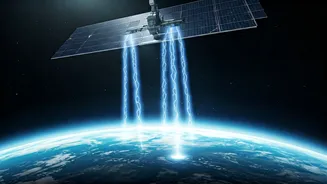
The social media giant is venturing into uncharted territory by exploring the potential of space-based solar power (SBSP) to energize its vast AI data
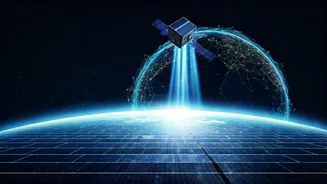
centers. This forward-thinking strategy involves collaborating with potential partners to develop and implement innovative energy solutions. SBSP captures solar energy in space, where sunlight is more consistent and abundant, and then transmits it to Earth. The core idea is to establish a clean, dependable, and virtually inexhaustible energy supply, a critical requirement for the power-hungry AI infrastructure that underpins Meta's operations. As Meta significantly increases its investment in AI research and development, the energy consumption of its data centers is growing exponentially. Conventional energy sources, even terrestrial renewables, might struggle to meet this escalating demand. SBSP presents a compelling alternative by tapping into the immense solar potential of the cosmos, offering a solution that could bridge the gap between current energy capabilities and future AI needs. This pursuit signifies a major shift in how leading technology companies are conceptualizing their long-term energy strategies, moving beyond traditional Earth-bound limitations.
Advancing Space Solar Tech
While the concept of collecting solar energy from space has been around for many years, recent technological breakthroughs have propelled it closer to practical application. Significant advancements in rocket technology, the manufacturing of satellites, and methods for transmitting power wirelessly have made SBSP a more feasible prospect. Meta's keen interest highlights a pivotal moment, signaling a departure from conventional energy thinking within major tech corporations. The hurdles for SBSP are indeed substantial, encompassing the considerable expense of launching satellites into orbit, optimizing the efficiency of power transmission, and addressing any potential environmental considerations associated with beaming energy to our planet. Nevertheless, the potential rewards—a consistent and clean energy flow for AI operations—are immense, offering a glimpse into a future where energy scarcity is no longer a primary constraint for technological advancement.
Strategic Partnerships Unveiled
In response to the escalating energy requirements driven by AI and the boom in data center construction, Meta has entered into agreements with energy startups. Specifically, on April 27th, the company announced two significant deals with Overview Energy and Noon Energy. These collaborations are designed to enable Meta to access solar energy beamed directly from space and to store this renewable power for extended durations. Overview Energy's space-based solar infrastructure is slated to begin supplying power to Meta's data centers by the end of the decade. Their system is engineered to gather solar energy in orbit and transmit it to ground-based facilities for continuous power generation, irrespective of terrestrial daylight conditions. Although the financial specifics of the Overview Energy deal remain undisclosed, it grants Meta priority access to up to 1 gigawatt of capacity. The technology is still in its developmental stages, with an initial orbital demonstration planned for 2028 and full commercial energy supply anticipated by 2030. These partnerships underscore Meta's proactive approach to securing future energy supplies and investing in cutting-edge renewable energy solutions.
Innovations in Energy Storage
Complementing its space solar initiatives, Meta is also focusing on advanced energy storage through its partnership with Noon Energy. This collaboration represents one of the most significant commitments to long-duration energy storage within the industry. Meta acknowledges that advancing AI at its current pace necessitates substantially more energy, but existing clean energy technologies face limitations: solar power is dependent on sunlight, wind power relies on weather patterns, and the grid requires enhanced storage to maximize the utility of both. Noon Energy's solution employs modular, reversible solid oxide fuel cells and carbon-based storage, capable of providing over 100 hours of energy storage. This far surpasses the capabilities of current lithium-ion batteries, offering a crucial component for ensuring a stable and uninterrupted power supply. Noon Energy also intends to conduct a demonstration of its energy storage technology in 2028, mirroring the timeline for Overview Energy's SBSP demonstration. These dual investments in energy generation and storage reflect a comprehensive strategy to address the multifaceted energy challenges posed by AI's growth.
Future Energy Infrastructure
Meta's commitment extends to securing gigawatt-scale power for its multiple data center projects across the United States, as part of a broader initiative costing $50 billion. The company has already established a diverse energy portfolio, signing agreements with firms like Vistra, TerraPower, Oklo, and Constellation Energy for a combined 7.7 GW of nuclear energy. Furthermore, Meta is collaborating with companies such as Sage Geosystems and XGS Energy to develop next-generation geothermal energy solutions. Cumulatively, Meta has contracted more than 30 GW of clean and renewable energy. The space-based solar project with Overview Energy, offering up to 1 GW/100 GWh, is designed with a modular architecture, allowing for capacity expansion in tandem with Meta's data center growth. Similarly, up to 1 GW/100 GWh of ultra-long-duration energy storage capacity has been reserved from Noon Energy. Meta emphasizes that supporting these nascent technologies is crucial, as their potential to enhance existing infrastructure and provide multi-day energy storage could fundamentally reshape what is achievable in the energy sector.