






Artemis Program Realignment
NASA's ambitious Artemis program, designed to return humans to the lunar surface and establish a long-term presence, is undergoing significant strategic
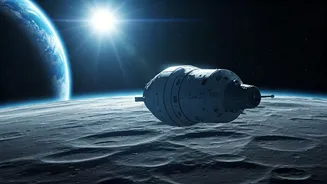
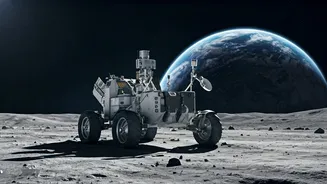
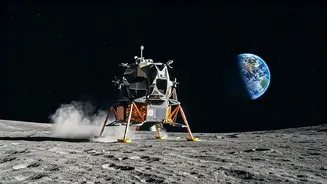
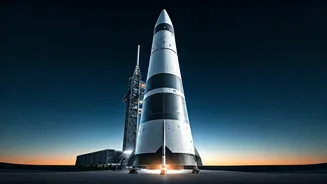
adjustments. These changes reflect a drive to accelerate mission timelines and optimize resource allocation. A key development includes the selection of a new upper stage for the Space Launch System (SLS) rocket, a crucial component for lunar voyages. This reassessment also impacts the Artemis 3 mission, with initial plans for astronauts to land on the moon being re-evaluated. The program is now focusing on more efficient pathways forward, potentially involving modifications to mission hardware and objectives to achieve lunar surface operations sooner. The overarching goal remains a sustained human presence beyond Earth orbit, with the Moon serving as a vital stepping stone for future deep space endeavors.
Private Space Innovation
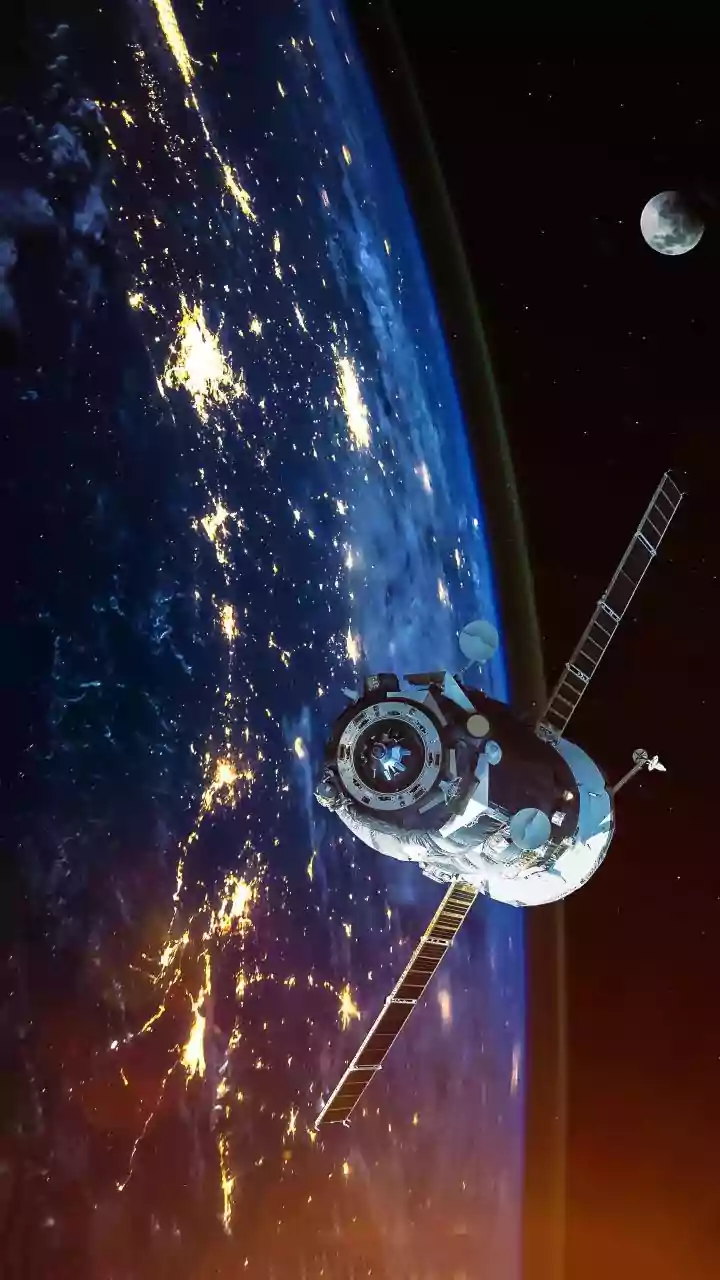
Beyond government-led initiatives, the private sector is rapidly advancing the frontier of space. Companies are making significant strides in developing commercial space stations, fostering a new era of orbital economy. One notable development is the substantial $500 million raised by Vast to further its 'Haven' private space station project. This influx of capital signals strong investor confidence in the commercial viability of space habitats. These private ventures are not only aiming to host research and tourism but also to serve as crucial infrastructure for future exploration missions. The focus is on creating reusable, scalable platforms that can support a growing number of astronauts and activities in orbit, paving the way for a more robust and accessible space economy.
Spacecraft Technology Advances
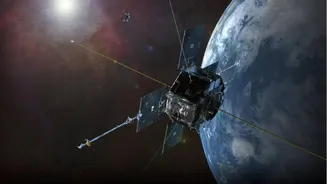
The future of space exploration is being shaped by revolutionary technological advancements in spacecraft design and functionality. Innovative materials are being developed that could enable spacecraft to autonomously repair themselves, significantly enhancing mission resilience and longevity. This 'self-healing' capability could dramatically reduce the need for manual repairs in hazardous environments, allowing missions to operate more reliably far from Earth. Furthermore, the development of expandable habitat technology, such as that pioneered by Max Space, offers novel solutions for increasing living and working volumes in space without the prohibitive launch mass of traditional rigid structures. These breakthroughs promise to make long-duration missions and deep space exploration more feasible and safer for astronauts.
Beyond the Moon
While the Artemis program sharpens its focus on lunar objectives, broader space exploration strategies are also evolving. Some entities are shifting their long-term visions, with discussions about establishing a 'city on the Moon' influencing strategic priorities, even leading some to reconsider Mars as an immediate focus. This strategic pivot highlights the complex decision-making involved in interplanetary colonization. In parallel, the scientific community continues to push the boundaries of exoplanet discovery, with private space telescopes contributing to this effort by spotting their first stars. This expansion of our celestial view underscores a relentless pursuit of knowledge about the universe, its formation, and the potential for life beyond our solar system.