



The Roux Revelation
Crafting a truly exquisite white sauce hinges on a fundamental technique: the roux. Chef Ranveer Brar underscores the critical 1:1:10 ratio, meaning one
part butter, one part refined flour (maida), and ten parts milk. The process begins with melting butter in a pan over moderate heat, followed by gradually incorporating the flour. This mixture is gently cooked for approximately one to two minutes, allowing the raw flour taste to dissipate without permitting the roux to brown. This careful cooking ensures the sauce’s neutral flavor base. For those with dietary restrictions, Chef Brar offers adaptable substitutions: oil can replace butter, and dairy milk can be substituted with almond milk, oat milk, or even water or stock, preserving the sauce's texture and culinary integrity while catering to individual needs and preferences.
Achieving Creamy Perfection
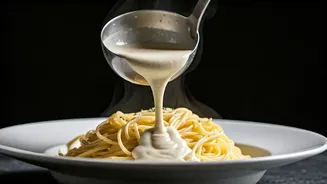
Following the creation of the roux, the next pivotal step in achieving a luxurious white sauce involves the gradual incorporation of milk. Chef Brar stresses the importance of adding the milk slowly and consistently, whisking vigorously throughout this stage. This deliberate action is key to preventing the formation of unwelcome lumps, ensuring a consistently smooth and creamy consistency. The mixture should be brought to a gentle simmer and cooked for an additional two to three minutes, allowing it to thicken naturally to a desirable, velvety texture. To further enhance the sauce and prevent a skin from forming after it's removed from the heat, a small amount of butter is often stirred in. This technique not only adds richness but also contributes to the sauce’s smooth finish, ready to be integrated into various dishes.
Pasta Dish Ensemble
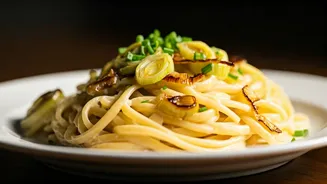
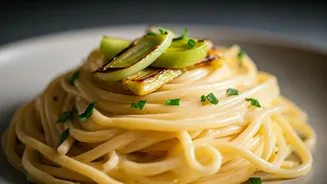
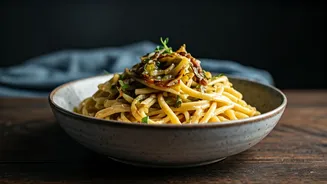
Chef Ranveer Brar's expertise extends to a practical application of his perfected white sauce in a delightful pasta recipe designed for ease and flavor. The recipe begins with preparing the pasta, typically penne, by boiling it in salted water with a touch of oil until it reaches an 'al dente' stage. Vegetables like diced carrots and halved button mushrooms are often cooked alongside the pasta, adding texture and nutrition. Once drained, the pasta and vegetables are tossed with a little oil to prevent sticking. The white sauce is then introduced, combined with the cooked pasta, vegetables, and a portion of the reserved pasta water to help create a cohesive sauce. Processed cheese is added for extra creaminess, melting into the warm mixture. The dish is finished with fresh ingredients such as chopped green chilies, coriander leaves, and a drizzle of extra virgin olive oil, creating a vibrant and flavorful pasta that is both comforting and satisfying. For an accompanying element, quick garlic bread is prepared by toasting baguette slices with garlic-infused oil, offering a perfect crunchy counterpoint to the creamy pasta.