



Bharti's Traditional Choice
Comedian and host Bharti Singh recently shared a personal culinary philosophy during a conversation, highlighting her deliberate decision to exclusively
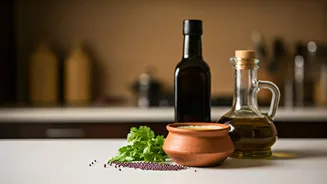
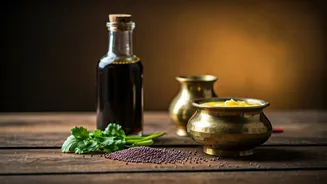
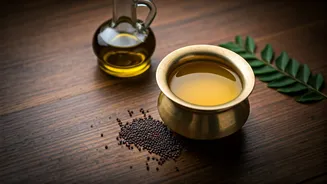
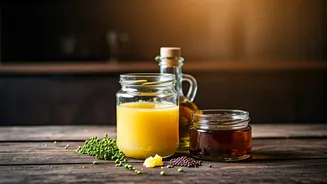
use desi ghee and mustard oil in her home kitchen. She explicitly stated her avoidance of refined oils and 'meetha tel,' emphasizing that her cooking repertoire consistently features either desi ghee or sarson ka tel for daily preparations. This preference stems from a belief in the inherent goodness of these traditional cooking mediums, a practice she maintains to this day. Her approach is a clear departure from the widespread use of processed cooking fats, signaling a return to time-tested ingredients believed to be more wholesome and beneficial for everyday meals. This conscious choice underscores a commitment to a more natural and potentially healthier way of preparing food, rooted in long-standing Indian culinary traditions.
Expert Nutritional Insights
Consultant dietitian Garima Goyal validates the growing trend towards traditional fats like desi ghee and mustard oil, but advises a practical rather than an absolute approach. She notes that both fats possess distinct nutritional advantages. Mustard oil is praised for its good fat content, including monounsaturated fatty acids (MUFA) and omega-3, along with beneficial anti-inflammatory properties. Desi ghee, conversely, is a rich source of fat-soluble vitamins such as A, D, E, and K, and can contribute positively to gut health when consumed in appropriate quantities. Goyal emphasizes that the mere adoption of these traditional oils does not automatically guarantee a healthy diet; it's the overall dietary pattern, the quantity used, and the cooking methods that are paramount.
Mindful Usage is Key
The expert advice highlights that the healthfulness of any cooking oil, even traditional ones like desi ghee and mustard oil, is contingent on judicious use. Overheating or excessive application of mustard oil can render it problematic, despite its inherent benefits. Similarly, ghee, being calorie-dense, can be easily overconsumed, potentially impacting health and fitness goals if portion control isn't strictly maintained. Goyal stresses that the focus should be on moderation and mindful consumption, rather than viewing these fats as universally 'healthy' without considering the practicalities of their application. The quantity used significantly dictates the overall calorie intake and its effect on one's well-being, making portion awareness a critical aspect of incorporating these fats into daily meals.
Beyond Oil Choices
Garima Goyal clarifies that completely eschewing refined oils isn't always the primary dietary concern. She points out that a more significant issue for many individuals often lies in the consumption of ultra-processed foods and the detrimental habit of repeatedly heating cooking oils, which can degrade their quality. The focus, therefore, should extend beyond just the type of fat used. A holistic approach advocates for a varied intake of fats, careful management of visible fat consumption, and strict avoidance of deep-frying or reusing oils multiple times. Bharti Singh's preference for ghee and mustard oil aligns with traditional wisdom, but the ultimate takeaway for achieving a healthy diet lies in the consistent application of mindful consumption, balanced eating, and overall dietary consistency.