
Introduction to Indian Cuisine
Indian cuisine is celebrated globally for its rich history, diverse flavors, and the skillful use of spices, which often carry significant health benefits.
Turmeric, ginger, and garlic, key ingredients in many Indian dishes, are renowned for their anti-inflammatory properties, offering a delicious way to support well-being. This article delves into ten traditional Indian recipes, highlighting how they blend taste and health, making them perfect for a balanced diet. Each dish provides a unique combination of nutrients and antioxidants, contributing to overall health.
Turmeric Dal's Goodness
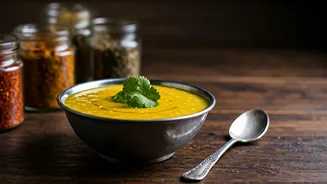
Turmeric Dal, a comforting lentil soup, is a staple in many Indian households and a champion in promoting good health. The star ingredient, turmeric, is loaded with curcumin, a potent compound known for its anti-inflammatory effects. The dal offers a perfect balance of protein and fiber, making it a filling and nutritious meal. The cooking method typically involves simmering lentils with turmeric, onions, tomatoes, and various spices, creating a flavorful and healthy dish. Consuming turmeric dal regularly can aid digestion and boost the immune system.
Methi Thepla Delights
Methi Thepla, a type of flatbread, cleverly incorporates fenugreek leaves (methi), which are known for their health benefits. Methi Thepla is a good source of fiber and contains antioxidants. Traditionally, the dough is made with whole wheat flour, fenugreek leaves, and spices, which is then cooked on a griddle with minimal oil. This makes it a nutritious and portable option for breakfast or a light meal. The slightly bitter flavor of methi complements the spices beautifully, providing a delightful culinary experience. The recipe is simple, which contributes to making the dish popular.
Vegetable Upma's Charm
Vegetable Upma with Curry Leaves is a hearty dish packed with various vegetables that supply essential vitamins and minerals. Curry leaves, the aromatic herb, add flavor and enhance the dish's nutritional value. Made with semolina (rava), upma involves sautéing vegetables such as carrots, peas, and beans, and then adding semolina along with curry leaves and spices. This combination results in a tasty breakfast or snack. The fiber from the vegetables and semolina helps regulate digestion, and the antioxidants in curry leaves support the body's defenses. It's a quick, healthy, and satisfying meal.
Cabbage Poriyal's Benefits
Cabbage Poriyal offers a simple yet nutritious way to incorporate cabbage into the diet. Cabbage is a cruciferous vegetable with anti-inflammatory properties and is rich in vitamins. The poriyal involves shredding cabbage and then stir-frying it with mustard seeds, lentils, and spices. The cooking process is quick and simple, making it an easy side dish. It is a source of fiber, vitamins, and minerals that support good health. Cabbage Poriyal is a great option for those looking for a light, healthy meal.
Drumstick Sambar's Power
Drumstick Sambar is a flavorful lentil-based stew, featuring drumsticks, a vegetable known for its nutritional benefits. The sambar is rich in fiber and various vitamins and minerals. Drumsticks are often used to reduce swelling and improve the immune system. Typically, this sambar involves cooking lentils with drumsticks, vegetables, and a unique blend of spices, which contributes to its incredible taste. It is commonly served with rice and is a wholesome and comforting meal. The combination of ingredients supports digestive health and strengthens the body.
Ginger-Garlic Rasam's Zest
Ginger-Garlic Rasam, a clear soup, is a traditional South Indian dish, widely used for its health-boosting properties. Ginger and garlic are known for their anti-inflammatory and antiviral capabilities. The rasam is usually made by simmering tomatoes, ginger, garlic, and spices. This results in a flavorful soup that can aid digestion and relieve congestion. It's a perfect meal, particularly during cold or flu seasons, as it provides instant comfort and a boost to the immune system. This makes it an ideal addition to a healthy diet.
Masoor Dal Soup's Warmth
Masoor Dal Soup, a simple yet nutritious lentil soup, provides a good source of protein and fiber. Masoor dal (red lentils) is known for its quick cooking time and ease of digestion. The soup is typically prepared by simmering the lentils with onions, tomatoes, and a mix of spices, creating a flavorful and comforting dish. It’s perfect for a light meal, providing essential nutrients that support overall well-being. Masoor Dal Soup is not only tasty but also aids in promoting good digestive health.
Golden Milk's Magic
Golden Milk, also known as turmeric milk, is a popular beverage recognized for its potent anti-inflammatory effects. The main ingredient, turmeric, contains curcumin, which is known for reducing inflammation. The preparation of golden milk involves mixing turmeric powder with warm milk (often with added sweeteners and spices) which enhances its taste and benefits. Consuming golden milk regularly can help soothe sore muscles and boost immunity. It offers a soothing warmth, and provides an effective way to introduce more turmeric to your diet.
Palak Paneer's Nutrients
Palak Paneer combines spinach (palak) with paneer (Indian cheese), making it a nutritious and flavorful dish. Spinach is an excellent source of vitamins and minerals, while paneer provides protein. The dish is prepared by blending spinach into a smooth paste and then cooking it with paneer and a blend of spices. Palak Paneer is a satisfying meal, providing a balanced combination of nutrients and taste. It's a popular choice throughout India, recognized for its nutritional value and deliciousness.
Khichdi's Comfort
Khichdi is a simple yet nourishing dish, often considered the ultimate comfort food. This dish is made with rice and lentils, making it light, easily digestible, and suitable for all ages. Khichdi also serves as a light meal, providing a good source of protein and carbohydrates. It is usually seasoned with mild spices, often including turmeric, which supports the body’s health. Its simplicity and nutritional value make Khichdi a staple in many Indian households, particularly when someone is feeling unwell. The ingredients and spices can be customized.