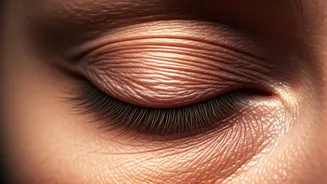








Understanding Eyelid Myokymia
Experiencing a persistent eyelid flutter can be unsettling, prompting questions about its underlying cause. This involuntary muscle contraction, medically
termed myokymia, is a common occurrence for many. The primary instigators are typically linked to lifestyle factors that overstimulate the delicate nerves governing eyelid muscles. Stress and inadequate sleep are frequently cited as major contributors. When we are sleep-deprived, our nervous system becomes overactive, leading to fatigue in the eye muscles, which can manifest as a persistent twitch that may continue until sleep patterns normalize. Additionally, high caffeine intake, especially among those sensitive to it, can exacerbate these twitches. Prolonged exposure to digital screens also plays a significant role, often resulting in eye strain, reduced blinking frequency, and dry eyes, all of which can contribute to the twitching sensation, particularly after extended periods of device usage and improving with rest.
Lifestyle's Major Influence
The role of daily habits in eyelid twitching cannot be overstated, as confirmed by ophthalmology experts. When the muscles surrounding the eye become fatigued or are subjected to overstimulation, they tend to exhibit repeated contractions. Beyond extended screen time and general fatigue, dry or irritated eyes are frequent culprits. While most eyelid twitching episodes resolve within minutes or days, they can indeed persist for weeks, especially when certain triggers remain consistently present in one's routine. Stress, in particular, is a significant factor; the body releases stress hormones that can heighten nerve activity and muscle tension. Similarly, insufficient sleep hampers the necessary recovery process for both muscles and nerves, potentially prolonging twitching episodes. These lifestyle elements collectively contribute to the common experience of eyelid twitching, often without indicating a serious underlying medical condition.
When to Consult a Doctor
While eyelid twitching is often benign, there are specific scenarios that necessitate professional medical evaluation by an eye specialist. If the twitching persists for an extended period, typically more than three to four weeks, it's advisable to seek an opinion. Furthermore, if the twitching begins to affect other facial muscles, or is accompanied by other concerning symptoms such as noticeable eyelid drooping, redness, swelling around the eye, or any changes in vision, medical attention is recommended. Caution is advised if twitching spreads to areas like the cheek or lips, as this could potentially signal hemifacial spasm, a condition requiring prompt assessment. Although rare, persistent twitching can sometimes be an indicator of more significant issues like Blepharospasm, irritation of the facial nerve, or ongoing eye irritation. A thorough medical examination is crucial for ruling out these conditions and initiating appropriate treatment if required.
Simple Solutions for Relief
Fortunately, most cases of persistent eyelid twitching can be effectively managed and resolved through straightforward modifications to daily routines. As the condition is frequently linked to fatigue, stress, or eye strain, improving these fundamental habits can offer significant relief. Experts suggest aiming for 7–8 hours of quality sleep each night, actively managing stress levels through relaxation techniques, moderating caffeine consumption, and incorporating regular breaks during prolonged screen usage. Additionally, maintaining adequate hydration and a balanced diet is important. Deficiencies in certain minerals, such as magnesium, can contribute to muscle twitching, so incorporating magnesium-rich foods like pumpkin seeds, almonds, spinach, bananas, and dark chocolate into one's diet can support nerve and muscle function. Implementing the 20-20-20 rule—taking a 20-second break to view something 20 feet away every 20 minutes—is also highly effective in alleviating digital eye strain.