






Fasting for Health
The practice of fasting, particularly during auspicious periods like Navratri, offers a potent pathway to reclaiming health and vitality. It's not merely
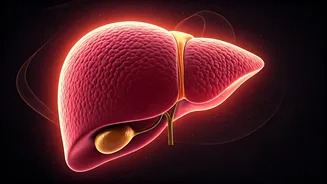
about abstaining from food but about a deliberate pause that allows the body's natural restorative processes to kick in. This period of controlled food intake can significantly aid in managing a spectrum of health challenges. For instance, individuals struggling with fatty liver disease can find relief as fasting helps in reducing fat accumulation in the liver and improving its overall function. Similarly, for those grappling with elevated blood sugar levels, fasting can enhance insulin sensitivity, leading to better glycemic control and potentially mitigating the risk of developing or worsening type 2 diabetes. The benefits extend to cardiovascular health as well; regular fasting has been shown to contribute to lower blood pressure, reducing the strain on the heart and blood vessels, and improving cholesterol profiles. By embracing fasting, one can effectively address these conditions, paving the way for a healthier, more balanced existence without the immediate need for pharmaceutical interventions.
The Yoga Connection
Complementing the internal cleansing achieved through fasting, the practice of yoga offers a holistic approach to well-being. Yoga, with its combination of physical postures (asanas), breath control (pranayama), and meditation, works synergistically with fasting to amplify its health benefits. Specific yoga poses are designed to stimulate internal organs, aiding in detoxification and improving circulation, which are crucial for managing conditions like fatty liver. The mindful breathing techniques inherent in yoga help in calming the nervous system, which can have a direct impact on regulating blood pressure and reducing stress-related spikes in blood sugar. Furthermore, a consistent yoga practice can enhance flexibility, build strength, and promote mental clarity, creating a sense of overall balance and resilience. When integrated with a fasting regimen, yoga doesn't just address the symptoms of illness; it works to fortify the body and mind, empowering individuals to take proactive control of their health and achieve a sustainable state of wellness.
Balanced Nutrition is Key
Achieving optimal health through fasting and yoga is further enhanced by a conscious approach to nutrition. The period of fasting often serves as a catalyst for re-evaluating dietary habits, encouraging a shift towards pure, wholesome foods. It's essential to replenish the body with nutrient-dense options post-fasting to sustain the progress made and support ongoing healing. This involves prioritizing whole grains, fresh fruits, vegetables, and lean protein sources while minimizing processed foods, refined sugars, and unhealthy fats. Such a dietary foundation is critical for supporting the body's recovery and strengthening its natural defense mechanisms. By carefully selecting what we consume, we provide the necessary building blocks for cellular repair and energy production. This mindful eating, combined with the purifying effects of fasting and the invigorating practice of yoga, creates a powerful trifecta for managing conditions like fatty liver, high blood pressure, and diabetes, leading to a more robust and vibrant life.