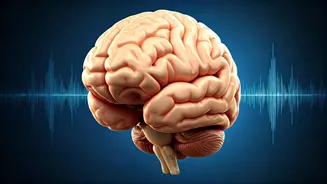

Understanding Alzheimer's Challenges
Alzheimer's disease, a progressive neurodegenerative disorder, poses substantial challenges for individuals and healthcare systems globally. Characterized
by cognitive decline, memory loss, and behavioral changes, its impact permeates various aspects of daily life. The disease progressively impairs memory, thinking skills, and the capacity to perform even simple tasks. This decline is attributed to the degeneration and loss of brain cells, affecting the brain's ability to communicate effectively. The exact causes of Alzheimer's remain complex, with factors such as age, genetics, and lifestyle playing a role. The disease's impact extends beyond individual sufferers, placing immense strain on families, caregivers, and healthcare infrastructure, highlighting the critical need for effective interventions.
Sound's Impact On Brain
Sound therapy is gaining attention as a potential therapeutic modality due to the intricate connection between sound and the brain. Specific sound frequencies, meticulously crafted, can stimulate brainwave activity and influence neural pathways. These sounds can lead to alterations in the release of neurotransmitters, the brain's chemical messengers, thereby impacting mood, memory, and cognitive performance. For instance, specific frequencies have been found to promote relaxation, reduce stress hormones, and foster a sense of calm. The brain's plasticity, or its ability to change and adapt, underscores the potential of sound therapy. The application of carefully selected sound frequencies can potentially enhance neuronal connections, reduce cognitive decline, and improve overall brain function, offering a hopeful avenue for managing neurological disorders like Alzheimer's.
Sound Therapy Principles
Sound therapy for Alzheimer's leverages carefully selected frequencies tailored to stimulate and support brain function. Specific auditory stimulation, based on the individual's needs and symptoms, is used. The approach is individualized, with specialists assessing the patient's cognitive status, symptoms, and preferences. The sounds might include various types like nature sounds, music, or specially designed frequencies. The treatment plan is often adjusted based on patient response, with regular evaluations to track progress and modify sound profiles. The intent of this personalized treatment is to influence brainwave activity, promote neural connectivity, and improve cognitive performance. Sound therapy provides an innovative approach by focusing on enhancing the auditory system and its impact on the brain to improve mental well-being in individuals struggling with the effects of Alzheimer's.
Current Research and Findings
Research into the effectiveness of sound therapy in treating Alzheimer's is growing, with encouraging findings. Some studies are focused on how specific sound frequencies can enhance cognitive function, especially memory and attention. Early research indicates sound therapy might help in reducing agitation and improving sleep patterns. While the field is still in its nascent stages, studies suggest that sound therapy may positively influence brain activity and communication pathways. Furthermore, some studies are exploring the impact of sound therapy on the reduction of amyloid plaques and tau tangles, hallmarks of Alzheimer's. While more comprehensive research is underway to fully understand the long-term effects and ideal application methods, early findings point towards the potential for sound therapy to become a valuable tool in Alzheimer's treatment, offering a non-invasive, potentially effective method to manage the disease and enhance patient well-being.
Benefits of Sound Therapy
Sound therapy offers several potential advantages for people with Alzheimer's, including cognitive enhancement and improved emotional well-being. The therapy's non-invasive nature is a significant advantage, potentially reducing the risks associated with conventional treatments. Furthermore, sound therapy can be easily customized, offering a personalized approach that takes into account each patient's needs and preferences. It has also shown promise in enhancing sleep quality and reducing behavioral disturbances, such as agitation and anxiety, commonly found in Alzheimer's patients. By stimulating the auditory pathways and impacting brain activity, sound therapy can potentially improve memory, focus, and overall cognitive function. Moreover, it offers a holistic approach that targets both the cognitive and emotional aspects of the disease, providing a more comprehensive and supportive care strategy. The ease of use and the potential for improving quality of life make sound therapy an appealing option.
Challenges and Future Directions
Though promising, sound therapy for Alzheimer's has challenges. A significant hurdle lies in the need for more extensive, large-scale clinical trials to definitively validate its effectiveness and long-term benefits. Standardized protocols and guidelines are needed to ensure consistency in research and implementation across different healthcare settings. Understanding the precise mechanisms of action – how specific sound frequencies affect the brain at a neurological level – requires further investigation. The future of sound therapy depends on continued research, which should concentrate on identifying the best sound frequencies, the duration of treatment, and the ways to combine sound therapy with existing treatments. Moreover, it is important to look at how sound therapy can be adapted for diverse patient populations, considering variables such as age, the severity of the illness, and individual preferences. Increased collaboration among researchers, clinicians, and technology developers is essential to accelerate progress.