






Best Times to Visit
Michigan offers distinct charms throughout the year, making it a destination for all seasons. Spring bursts forth with a riot of color, marked by flower
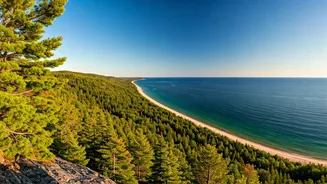
festivals in Holland and Detroit, and the Lilac Festival in Mackinac Island, as the state awakens from winter. Summer is the peak of activity, ideal for exploring the extensive network of national and state parks, enjoying the over 850 golf courses, and relishing the numerous Great Lakes beaches like Sleeping Bear Dunes, Silver Lake, and Holland State Park. Fall transforms the landscape into a breathtaking canvas of autumnal hues, especially along scenic routes like M-22 on the Leelanau Peninsula or the Tunnel of Trees (M-119), with Traverse City's wineries buzzing during harvest season. Winter transforms the Upper Peninsula into a snow-lover's paradise, boasting some of the country's snowiest locales; Pictured Rocks National Lakeshore presents stunning frozen waterfalls, while activities like dog sledding races in Ironwood and skiing or snowshoeing in the Porkies offer unique winter adventures, often complemented by a traditional Finnish sauna experience.
Exploring Michigan's Regions
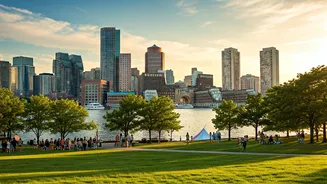
Michigan's geography, split between two peninsulas and surrounded by four Great Lakes—Erie, Huron, Michigan, and Superior—creates a varied travel experience. The Lower Peninsula is home to major urban centers like Detroit, Grand Rapids, and the capital, Lansing, offering a mix of cultural attractions and metropolitan life. In contrast, the Upper Peninsula (U.P.) provides a more secluded and untamed natural escape. Detroit and its surrounding areas in Southeast Michigan are renowned for their rich musical heritage, particularly live jazz, and their significant role in automotive history, alongside a thriving art scene and professional sports. The city also boasts a diverse culinary landscape, influenced by its large Arab American and African American populations, offering everything from Detroit-style pizza to authentic Middle Eastern and Southern cuisines. Dearborn, a nearby city, highlights Arab American culture and the Henry Ford Museum of American Innovation. West Michigan's shoreline is dotted with charming beach towns, each possessing a unique character; Grand Haven is known for its maritime museum, Saugatuck for its art galleries and LGBTQ+-friendly atmosphere, and Holland for its iconic Dutch windmill. Grand Rapids, the region's largest city, is a hub for arts and culture, notably the Frederik Meijer Gardens & Sculpture Park, and a burgeoning craft beer scene. The Northern Lower Peninsula centers around Traverse City, famous for its Lake Michigan beaches, cherry orchards, and wineries on the Old Mission and Leelanau Peninsulas. Petoskey offers opportunities to find the state's official stone, the Petoskey stone, and is a destination for golf enthusiasts, while Alpena showcases Michigan's maritime history through its shipwreck museum. The Upper Peninsula, sparsely populated and celebrated for its raw natural beauty, encompasses Isle Royale National Park and the vast Porcupine Mountains Wilderness State Park. The Keweenaw Peninsula is a prime spot for mountain biking and winter sports, with a deep connection to copper mining history evident in places like the A.E. Seaman Mineral Museum.
Culinary Delights and Local Tastes
Michigan's culinary scene is as varied as its landscapes, offering unique regional specialties alongside fresh, local produce. In Detroit, you must try the iconic Detroit-style pizza, a rectangular, deep-dish creation with a crispy crust and sauce on top. The city's diverse communities also contribute significantly to its food offerings; you can savor authentic Lebanese, Palestinian, Yemeni, and Chaldean dishes at family-run eateries, and indulge in Southern and soul food infused with African immigrant flavors. West Michigan is a hub for agriculture, yielding an abundance of fresh peaches, blueberries, apples, and cherries, which can be enjoyed fresh or at U-Pick orchards like Sundog Farm. This region also boasts a thriving craft brewery culture. Throughout the state, fresh-caught fish from the Great Lakes, such as lake trout, smelt, and whitefish, are menu staples. For a hearty taste of the Upper Peninsula, sample pasties—savory meat-and-vegetable-filled hand pies that have a history rooted in the area's mining era and provided sustenance for miners.
Navigating Michigan & Sustainable Travel
Getting around Michigan is most convenient by car, especially outside major urban centers where public transport is limited. Key interstates like I-75, I-94, and I-96 connect major cities and regions, while scenic bridges and tunnels facilitate travel between the peninsulas and to Canada. For air travel, Detroit Metro Airport (DTW) and Gerald R. Ford International Airport in Grand Rapids (GRR) are the primary hubs, serving numerous domestic and international flights, with smaller airports in Traverse City, Lansing, and Marquette also offering service. Michigan is also embracing sustainable travel practices. Electric vehicle (EV) charging stations are increasingly available across the state, supported by initiatives like ChargePoint, with concentrations in urban areas and the Lower Peninsula, and a growing presence in state parks. The state has a bottle deposit law for most carbonated beverages, encouraging recycling and reducing waste. Biking is another popular and eco-friendly way to explore, with numerous trails and dedicated bike lanes available throughout Michigan, whether you bring your own bike or rent one locally.