






Gathering Ingredients
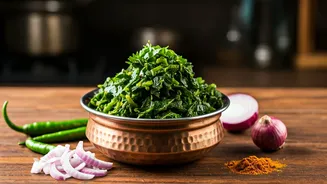
The initial step in crafting Arbi ke Patte ki Sabzi is gathering the right ingredients. You'll require arbi leaves, the key element, and the recipe will
further elaborate on the best leaves to select. Alongside this, you'll need a range of spices to infuse the dish with a rich flavor profile. You might require items such as turmeric powder, coriander powder, red chili powder, and potentially other regional spice blends. Also essential are common kitchen staples like oil for cooking, chopped onions, and garlic to begin the process. Additional ingredients often include gram flour or besan, which serves as a binding and thickening agent for the sabzi. The quantities of each ingredient, critical for balance, will be specified in the recipe details, ensuring a harmonious taste.
Preparing the Leaves
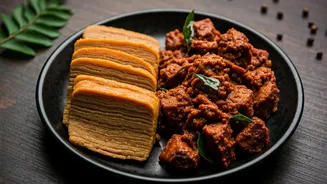
Once you have your ingredients in order, the next phase focuses on preparing the arbi leaves. Begin by carefully cleaning the arbi leaves to remove any dirt or debris; this may involve washing them gently under running water and patting them dry. The process also includes preparing a besan-based paste or batter which is seasoned with spices, and it will serve as the coating for the leaves. This paste often involves combining besan, turmeric, chili powder, and other flavorings with water to achieve a cohesive consistency. Each leaf is carefully coated with the prepared paste. This coating will contribute to the taste and texture of the final dish. The application of this batter is crucial to ensuring that it adheres well and covers each leaf thoroughly.
The Cooking Process
With the leaves prepared, the cooking begins, often involving various methods to achieve the right texture and flavor. One common method involves steaming or lightly frying the coated leaves, allowing them to soften and develop their taste. The steamed method ensures a lighter dish, while frying adds a satisfying crisp. After the leaves are cooked, they are often cut into smaller pieces. The preparation of the gravy then starts with sauteing onions, garlic, and sometimes other vegetables. Once these ingredients achieve a soft texture and a fragrant aroma, the spice powders like turmeric, coriander, and chili are incorporated. Finally, the cooked arbi leaves are added into the gravy, which is gently mixed to blend all flavors. This step is pivotal for producing the desired taste.
Final Touches & Serving
As the sabzi simmers, consider adding finishing touches that will enhance its overall flavor. This may include a squeeze of lemon juice for acidity or a garnish of fresh coriander leaves for freshness. Allow the dish to simmer to ensure the flavors meld together completely. Check the consistency and add water as needed to achieve your desired gravy thickness. When serving, Arbi ke Patte ki Sabzi is often best served hot, allowing its flavors to be fully appreciated. It is commonly enjoyed with rotis, parathas, or rice, depending on individual preferences and regional culinary traditions. Serving it with a dollop of yogurt provides a cooling complement, enhancing the meal's overall satisfaction.