








Shocking Snack Serving
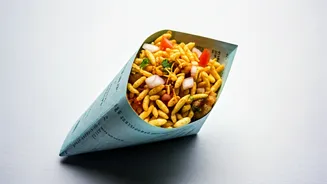
A viral incident on social media platform X brought to light a deeply unsettling practice when a user, Sudhanshu Ambhore, shared an image of a Rs 20 bhel
puri. The common street food snack was presented not in a standard wrapper or container, but ingeniously (and disturbingly) folded from a two-page bank statement. The paper clearly displayed sensitive personal information belonging to an individual, including their name, account number, and a detailed transaction history. Ambhore expressed his dismay, stating that 'Privacy is seriously a joke in India,' as he found his purchase served in such a manner, making confidential data publicly accessible. This unexpected use of discarded financial documents for food packaging immediately captured widespread attention, sparking a flurry of reactions and discussions across the internet regarding the implications of such casual disregard for personal information.
Privacy and Hygiene Woes
The photograph of the bhel puri cone quickly resonated with many online users, not solely due to the blatant disregard for personal privacy but also because it illuminated significant hygiene concerns associated with street food preparation and serving. The shock wasn't limited to the exposure of confidential banking details; many were repulsed by the idea of food being presented on recycled paper saturated with printing ink. Social media users flooded the comments section with a mix of alarm and disgust. One commenter vividly described the potential journey of such paper, from a dumpster to a vendor's stall, highlighting possibilities of contamination from dust and pests. Another user pointed out the direct health risks of consuming food that has come into contact with ink, while others bluntly stated it was akin to being served food on garbage. The conversation extended to include even more alarming revelations, with some users recalling similar incidents involving medical records, and a stark warning was issued regarding the carcinogenic nature of printing inks used on such documents, potentially posing a long-term health threat.
Shared Responsibility
While the street vendor's choice of packaging was the immediate trigger for the online outcry, some users offered a more nuanced perspective, pointing out that the original owner of the bank statement also bore some responsibility. The sentiment shared was that individuals need to be more vigilant in safeguarding their sensitive documents before discarding them. This perspective suggests a shared accountability, where both vendors and consumers play a role in preventing such breaches. The incident serves as a stark reminder of the prevalent issues many face daily in India, including careless disposal habits of personal documents, a general lack of robust privacy awareness, and alarmingly unsafe food-serving practices. It underscores the need for greater public education and stricter regulations to ensure both data security and food safety standards are met across all levels of service, particularly in informal sectors.