




Harsh Chemicals Harm
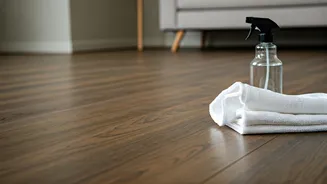
Vinyl plank flooring offers an attractive and cost-effective alternative to hardwood, mimicking its sophisticated appearance. While durable, its care requires
specific attention to cleaning practices. Experts strongly advise against using ammonia and bleach-based cleaning solutions. These potent chemicals, while effective at disinfecting and tackling tough grime, are excessively harsh for vinyl surfaces. Robin Murphy, president of Maid Brigade, explains that such products, including those containing ammonia, can degrade the floor's protective coating. This degradation often results in noticeable discoloration, a dulling of the surface, and ultimately, damage to the vinyl's integrity. Familiar household products like certain all-purpose cleaners and disinfecting sprays fall into this detrimental category. It's crucial to recognize that what might seem like a deep clean can, in fact, be slowly eroding the floor's aesthetic and structural qualities over time.
Avoid Abrasive Scrutiny
Just as harsh chemicals can damage vinyl plank flooring, so too can abrasive cleaning tools and substances. Items such as scouring pads, rough sponges, or gritty cleaning pastes can inflict micro-scratches across the vinyl's surface. Vanessa Terra Bossart, CEO of GreenTerra Cleaning Service, emphasizes that these abrasive actions break down the vital protective layer. This leads to a compromised surface that is more susceptible to wear and tear. Even seemingly gentle products like magic erasers, due to their mildly abrasive nature, can cause discoloration on vinyl. Scrubbing bubbles and foaming cleaners also fall under this umbrella of abrasive agents that should be avoided. For tough spots, a small amount of rubbing alcohol applied with a microfiber cloth is a recommended alternative, but caution is advised against excessive use.
Hardwood Cleaners Misapplied
It might seem logical to use cleaners designed for hardwood floors on their vinyl counterparts, but this is a common mistake that can lead to unwanted consequences. Hardwood cleaners often contain oils that, when used on vinyl, can build up on the surface. This oily residue creates a cloudy, sticky appearance over time, attracting more dirt and making the floor difficult to clean. Furthermore, this buildup can make the floor surprisingly slippery, posing a safety hazard. Bossart points out that acidic ingredients, frequently found in some hardwood cleaners, can degrade the vinyl's surface layer, resulting in a dull finish. Products formulated with citrus oils, while pleasant-smelling, are particularly problematic due to their acidity. Therefore, it's best to reserve hardwood-specific cleaners for their intended use and select cleaning solutions explicitly safe for vinyl.
Excessive Water Beware
While water is generally a safe cleaning agent, excessive moisture and high heat can pose significant risks to vinyl plank flooring. Steaming mops, despite their reputation for deep cleaning, introduce intense heat that vinyl planks are not designed to withstand. Bossart warns that this heat can weaken the adhesive bonding the planks together, potentially causing them to warp or separate. This type of damage can be irreversible and compromise the flooring's structure. Beyond steaming, even using a very wet mop should be avoided. Murphy advises using a damp mop, ensuring no standing water is left behind. Promptly drying the floors after mopping is essential to prevent water from seeping into the seams and edges, which can lead to discoloration and material degradation over time.
Natural Ingredients Caution
While seeking gentler alternatives to harsh chemicals, homeowners might turn to natural ingredients, but discretion is still necessary. Certain natural substances, like vinegar, can be too acidic for vinyl plank floors. Murphy explains that frequent use of vinegar, especially in high concentrations, can strip away the protective layer, causing loss of shine, discoloration, and weakening of the material. Similarly, lemon juice's acidity can be detrimental. Baking soda, though a common household cleaner, can act as an abrasive if used excessively, leading to scuff marks. Even Castile soap, often considered mild, can leave behind a sticky residue that attracts dirt. For a safe and effective cleaning routine, opt for regular sweeping or vacuuming, followed by a water-based cleaner specifically formulated for vinyl flooring, or a mild solution of dish soap and warm water with a few drops of tea tree oil.