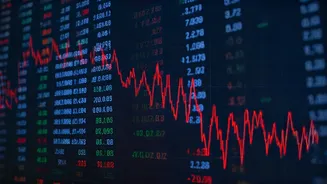

Understanding Market Volatility
The market is currently experiencing significant downward pressure, which has a ripple effect on investor sentiment. This decline can be attributed to a confluence
of factors. One of the primary drivers could be concerns surrounding the financial system's liquidity. Liquidity refers to the ease with which assets can be converted into cash. If there is a 'liquidity crunch,' it means that it becomes harder for market participants to find buyers for their assets at a reasonable price. This can lead to increased volatility as prices become more erratic. Additionally, global economic uncertainties and geopolitical events frequently add to the market's instability. These external events cause investors to become more cautious, resulting in a shift in market dynamics. The uncertainty surrounding interest rates, inflation, and global growth forecasts plays a major role in shaping investment decisions.
Factors Behind the Fall
Several converging elements contribute to the ongoing market downturn. The potential liquidity crunch within the financial system is a major concern. When there's a lack of liquidity, selling assets becomes difficult and can lead to rapid price declines. Economic factors on a global scale also weigh heavily. Inflation remains a concern for many countries, which prompts central banks to take measures. Interest rate hikes, which are used to curb inflation, can have a cooling effect on economic growth. Geopolitical events also trigger instability. Unexpected political events or conflicts create uncertainty and cause investors to re-evaluate their risk appetite. This makes the market react quickly to news, causing short-term changes. All of these factors interact to generate a complex market environment, and investors should be mindful of these various influences.
Investor Strategies & Options
In times of market instability, investors can employ several strategies. First, diversify your portfolio across different asset classes, such as stocks, bonds, and real estate, to spread risk. Ensure you have a long-term investment horizon. Market downturns are temporary, and the ability to ride them out can pay off when the market rebounds. Consider rebalancing your portfolio periodically, which means adjusting your investments to maintain your desired asset allocation. Evaluate your risk tolerance and align your investment choices accordingly. If you are less comfortable with high-risk investments, it may be prudent to reduce exposure to more volatile assets. Investors can consult with financial advisors who provide personalized advice based on individual financial goals and risk tolerance. Financial advisors can offer unbiased insights and help with financial planning.
Making Informed Decisions
Navigating market volatility requires thoughtful decision-making. Investors should stay informed about market trends. This means following economic news, company performance reports, and financial analyses. Avoid making impulsive investment decisions based on short-term market fluctuations. Decisions based on emotions often lead to less favorable outcomes. Instead, focus on your financial goals. Having a clearly defined financial plan is crucial for making the correct decisions. Evaluate your investment strategy frequently to ensure it aligns with your goals and risk tolerance. Be prepared to adapt to changing market conditions. Regular review can help you refine your approach as needed. It's important to understand the underlying causes of market fluctuations so you can develop an appropriate investment strategy.