






Heat's Toll on Heart
Extreme heat places a significant burden on the human body, compelling it to work overtime to maintain a stable internal temperature. This increased exertion,
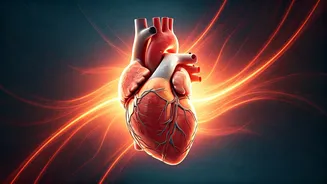
primarily through profuse sweating, leads to fluid and electrolyte depletion. As blood volume decreases, the heart must pump with greater force and speed to ensure adequate circulation, thereby elevating cardiac stress. Dr. Ranita Saha, a Cardiologist at CK Birla Hospitals, explains that severe dehydration can cause blood to thicken and reduce its circulating volume, promoting the formation of blood clots. In individuals with pre-existing vulnerabilities, this physiological response can unfortunately precipitate a heart attack. Furthermore, imbalances in electrolytes, crucial for nerve and muscle function including the heart's rhythm, can lead to irregular heartbeats and heighten the likelihood of serious events like strokes.
Overlooked Warning Signs
A critical aspect of managing heat-related health issues, particularly those affecting the heart, is the timely recognition of early symptoms. Often, these initial indicators are mistakenly attributed to the general discomfort of heat, delaying crucial intervention. Common early warnings include persistent fatigue, feelings of dizziness, excessive sweating, involuntary muscle spasms, and bouts of nausea or headaches. These symptoms are frequently indicative of heat exhaustion. However, if these signs progress and are accompanied by confusion, fainting, an extremely elevated body temperature, or a cessation of sweating, it signals a potential heatstroke, a life-threatening medical emergency that demands immediate attention.
Who Faces Higher Risk
The susceptibility to heat-related illnesses, including those impacting the cardiovascular system, is not uniform across the population. Certain demographics and individuals with specific health conditions are at a significantly elevated risk. The elderly and infants are particularly vulnerable due to less efficient thermoregulation. Those managing chronic conditions such as cardiovascular diseases, diabetes, or hypertension face increased danger, as their bodies may already be under strain. Individuals who work outdoors for extended periods or lack adequate access to cooling environments are also more prone. In humid climates, such as those found in parts of eastern India, the problem is compounded; high moisture levels impede the body's ability to cool down through evaporation of sweat, thereby intensifying the strain on the heart.
When Emergencies Strike
Recognizing the point at which a heat-related condition escalates into a medical emergency is paramount, as timely treatment can be the difference between life and death. Dr. Purusatyam Chakraborty, Consultant – Head Emergency & Triage at CK Birla Hospitals, CMRI, emphasizes that critical signs include altered consciousness, the onset of chest pain, difficulty in breathing, or sudden collapse. In such critical scenarios, even minor delays in receiving medical attention can have fatal consequences. Therefore, prompt identification of these severe symptoms and immediate medical intervention are essential for ensuring recovery and preventing severe, lasting complications.
Staying Safe Strategies
Fortunately, preventing heat-related cardiac emergencies does not require drastic measures; rather, it involves adopting a few simple yet effective practices. Maintaining consistent hydration throughout the day is crucial for replenishing lost fluids. Avoiding direct sun exposure, particularly during the peak heat hours of the afternoon, is highly recommended. Wearing lightweight, breathable clothing helps the body dissipate heat more effectively. For those who must be outdoors, taking frequent breaks in shaded or cool areas is vital. It's also beneficial to regularly check on elderly relatives and neighbours, offering assistance if needed. Staying informed about heatwave advisories issued by meteorological departments, like the India Meteorological Department, allows for better planning and time management during periods of extreme heat.