






Gut-Immunity Connection Unveiled
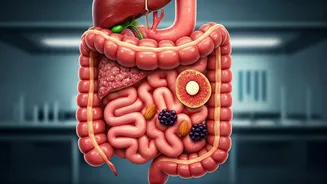
The gut, often referred to as the second brain, plays a crucial role in the health and vitality of a child. It's a complex ecosystem housing trillions
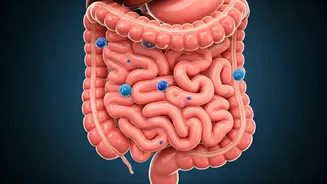
of bacteria, fungi, and other microorganisms, collectively known as the gut microbiome. This microbiome is not just about digestion; it also profoundly impacts the immune system. A healthy gut microbiome contains a diverse range of beneficial bacteria that help the body fight off infections. These good bacteria compete with harmful pathogens, preventing them from establishing a foothold. They also train the immune system to recognize and respond to threats appropriately. The gut lining acts as a barrier, preventing harmful substances from entering the bloodstream. When this barrier is compromised, it can lead to inflammation and weaken the immune system. Understanding this gut-immunity connection is the first step in nurturing a robust and resilient child.
Dietary Strategies Explained
Nutrition is paramount in fostering a healthy gut and, consequently, a strong immune system. Prioritizing a diet rich in fiber is fundamental. Fiber, found in fruits, vegetables, and whole grains, serves as a prebiotic, feeding the beneficial bacteria in the gut. Include a variety of colorful fruits and vegetables in your child's meals to ensure they receive a wide range of vitamins and antioxidants. These nutrients are essential for immune function and overall well-being. Probiotic-rich foods, such as yogurt with live cultures, can also be beneficial. Probiotics introduce beneficial bacteria directly into the gut. While supplements can be considered, natural sources are often more effective. Limit processed foods, sugary drinks, and excessive amounts of unhealthy fats, as these can disrupt the gut microbiome and negatively affect immune function. Encouraging mindful eating habits can also enhance the benefits of a balanced diet.
Lifestyle for a Stronger System
Beyond diet, certain lifestyle factors significantly influence a child's gut health and immune strength. Adequate sleep is critical, as sleep deprivation can weaken the immune system. Aim for consistent sleep schedules that align with the child's age and needs. Encourage regular physical activity. Exercise boosts the immune system, promotes healthy gut motility, and helps manage stress levels. Stress can negatively affect the gut and immune function, so finding healthy ways to manage stress is essential. This can include creative activities, spending time in nature, or practicing relaxation techniques. Limit exposure to environmental toxins, such as cigarette smoke and pollution, as these can harm the gut and weaken the immune system. Maintaining good hygiene practices, such as frequent handwashing, can help prevent the spread of infections. Consider your child's environment and the factors affecting it to ensure their well-being.
Supplements: Consider Carefully
While a balanced diet is the cornerstone of gut and immune health, certain supplements can play a supporting role. Probiotic supplements can introduce beneficial bacteria to the gut, but it's important to choose high-quality products and consult with a pediatrician before giving them to a child. Vitamin D is another key supplement, particularly in areas with limited sun exposure. Vitamin D is essential for immune function and can be obtained through supplementation. Omega-3 fatty acids, found in fish oil, can also be beneficial as they have anti-inflammatory properties, which can support gut health and immune function. However, always consult with a healthcare professional before starting any supplements. They can assess your child's individual needs and recommend the appropriate dosages. Supplements are meant to complement, not replace, a healthy diet and lifestyle.
Signs of Imbalance
Recognizing the signs of gut imbalance is crucial for timely intervention. Common symptoms include digestive issues, such as bloating, gas, constipation, or diarrhea. Food sensitivities and allergies can also be indicative of a compromised gut. Skin conditions, like eczema, may be related to gut health. Frequent infections, such as colds and flu, could also be a sign of a weakened immune system. If your child exhibits any of these symptoms, it's essential to consult with a pediatrician. They can conduct tests to assess gut health and recommend appropriate strategies, which may include dietary changes, probiotic supplements, or other interventions. Early detection and intervention can help prevent the development of chronic health issues.