



Island's Equestrian Jewels
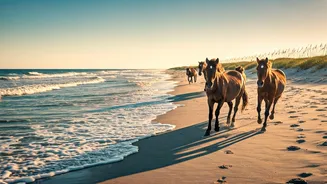
Chincoteague Island's primary draw isn't its size, but the approximately 150 wild "saltwater ponies" that call the neighboring Assateague Island home.
These spirited equines are more than just a tourist attraction; they are intrinsically linked to Chincoteague's identity and cultural heritage. Visitors are drawn to the island specifically for the rare opportunity to witness these majestic animals in their natural coastal habitat. The sight of wild horses grazing near where people enjoy summer swims or brave winter oyster digging evokes a sense of wonder and a connection to nature that resonates deeply with many. Their presence transforms a seemingly ordinary island into an extraordinary destination, offering a glimpse into a world where wildlife and human life coexist in a unique harmony. This proximity to untamed beauty creates a powerful allure, making Chincoteague a sought-after location for nature enthusiasts and those seeking a truly distinctive travel experience.
Pony Origins: Myth & History
The exact genesis of Chincoteague's wild ponies remains a subject of captivating debate, blending historical accounts with romantic folklore. The more pragmatic explanation suggests that in the 17th century, local farmers relocated their livestock to Assateague Island. This move allowed the animals to roam freely, circumventing the need for costly land fencing and various taxation laws. However, a more enchanting narrative, and one that captures the imagination, posits a dramatic shipwreck. Legend has it that a Spanish galleon, possibly the La Galga in 1750, was caught in a fierce nighttime storm and foundered off the coast. The horses aboard, it is said, managed to swim to Assateague Island and found refuge. Over generations, living in the salty marshes and along the pristine beaches, they gradually transitioned from domesticated animals to their current wild state. This blend of practical history and compelling legend contributes significantly to the mystique surrounding these resilient creatures, making their story as fascinating as their presence.
Community Stewardship & Governance
Today, the wild ponies of Assateague Island are managed under a distinctive cooperative arrangement that has endured for over a century. The herd is divided into two distinct groups: one on the Maryland side, overseen by the National Park Service, and another in Virginia, under the care of the Chincoteague Volunteer Fire Company. This unique stewardship model forms a fundamental pillar of the Chincoteague community. The fire company's involvement is particularly significant, culminating in their organization of the annual "Pony Swim" each July. This event is a major draw, attracting an impressive crowd of up to 40,000 spectators. A dedicated group known as the "saltwater cowboys" plays a crucial role, rounding up the Chincoteague herd. They then guide the ponies across the Assateague Channel in a remarkable spectacle before parading them through Main Street to a carnival. At the carnival, the young foals are traditionally auctioned off, further integrating the ponies into the island's economic and social fabric.
The Legendary Misty & Modern Thrills
The legend of Chincoteague's ponies is significantly amplified by the beloved children's novel, "Misty of Chincoteague." Written by Marguerite Henry in 1947, the book is based on the true story of a foal descended from the wild herd and raised by local children. While many visitors still seek out connections to Misty, perhaps by visiting her taxidermied form at the Museum of Chincoteague Island, the true thrill lies in experiencing the wild herd firsthand. Exploring the trails within the Chincoteague National Wildlife Refuge on Assateague Island offers the most authentic encounter. Here, one can observe the ponies roaming freely through the marshes, seemingly unfazed by their human admirers. This immersive experience allows visitors to witness the raw beauty and untamed spirit of these iconic animals in their natural environment, a far cry from the curated exhibits, and a profound connection to the wild heart of Chincoteague.