







What is 'RR'?
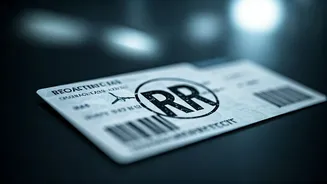
Encountering an 'RR' stamp on your boarding pass before a flight departing from India can initially spark concern, leading to questions about luggage or personal
scrutiny. However, this marking signifies a Random Review or Random Referral, an integral part of the nation's aviation security protocol mandated by the Bureau of Civil Aviation Security (BCAS). It indicates that you've been randomly selected for an additional layer of security or customs inspection prior to boarding. This process is designed to be unpredictable and is implemented by the airline's check-in system, acting as a necessary procedural step required by airport security and customs authorities. Importantly, it does not imply any wrongdoing on your part or that your travel is under suspicion; it's simply an additional screening measure within a comprehensive security framework.
Random Selection Explained
The selection for this Random Review process is governed by sophisticated algorithms and is entirely random, ensuring unpredictability as a core security principle. This means the selection is not influenced by factors such as a passenger's behaviour, the type of ticket purchased, their nationality, or their status as a frequent flyer. This element of surprise is a globally recognised doctrine in aviation security, aimed at enhancing deterrence against potential threats. Typically, passengers flagged with an 'RR' stamp undergo this additional screening after they have completed their immigration checks. Historically, in 2015, a statement in the Rajya Sabha indicated that passengers marked for Random Referral might also be selected based on specific intelligence alerts, profiling related to excess baggage, or for surveillance purposes to prevent the illegal export of prohibited goods. Less than 2 per cent of passengers are generally selected for this scrutiny.
Navigating 'RR' Screening
If your boarding pass bears the 'RR' stamp, you can expect a brief, procedural additional check. This might involve a secondary frisking, a re-screening of your hand baggage, or further verification of your travel documents, often conducted at the boarding gate or a designated security zone. To ensure a smooth experience, it is advisable to arrive at the airport well in advance of your flight. This allows ample time for standard check-in and security procedures, plus any potential secondary screening. Be prepared for possible additional baggage screening, a body scan, or further identity verification. Cooperation with the airport security personnel throughout this process is key to its swift completion.
Scope and Global Context
While the 'RR' marking is a specific identifier within India's aviation system, the concept of random secondary screening is a common global practice. Although often more prevalent on international flights due to integrated customs and stringent cross-border security protocols, such checks are not exclusively limited to international travel and can also be implemented on domestic routes, depending on current security directives. In other countries, like the United States, the Transportation Security Administration (TSA) oversees similar random screening procedures, though the terminology and the way passengers are marked may differ. This protocol is not confined to particular airports; it is a nationwide directive applicable across all security-controlled airports in India, including major hubs like Delhi, Mumbai, Bengaluru, and Hyderabad, ensuring a consistent security standard.