



Unlocking Snake Attraction
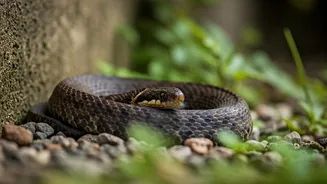
Snakes typically approach human dwellings not out of aggression, but driven by fundamental needs: sustenance and refuge. Residential environments frequently
offer these resources without inhabitants realizing it. The most significant draw for snakes is the presence of rodents like rats and mice, as well as amphibians like frogs. These creatures are natural prey, and snakes will readily follow their food source. Beyond direct prey, other elements can lure snakes. Accumulations of garbage can attract the pests that snakes hunt. Bird feeders, if they spill seeds, can inadvertently draw rodents, thereby attracting snakes. Similarly, pet food left outdoors and compost piles can create an inviting environment for snakes' food sources. Water, whether from ponds or leaky taps, also draws in insects and small animals, which in turn attract snakes. Essentially, any accumulation of insects or small creatures around a property can act as a beacon for snakes in search of a meal.
Garden Havens & Plant Cover
Overgrown and untidy gardens provide an ideal sanctuary for snakes. These reptiles gravitate towards areas that are cool, shaded, and tranquil, offering them a sense of security. Tall grasses, dense shrubbery, and thick hedges serve as excellent camouflage and hiding spots. Piles of fallen leaves can also create cozy resting places. To mitigate the risk of snakes frequenting your garden, regular maintenance is key. This includes frequent trimming of grass to reduce cover, clearing away dry leaves to eliminate potential shelters, and keeping plants and bushes trimmed back from the immediate vicinity of your house walls. Preventing climbers from growing too close to windows and doors is also advisable. A well-maintained, open garden space significantly diminishes the opportunities for snakes to conceal themselves effectively.
Common Household Hideouts
Snakes are remarkably adept at squeezing into surprisingly small crevices and spaces. Around the exterior of a home, common hiding spots include stacks of wood, piles of bricks or stones, and the undersides of outdoor furniture. They can also find refuge within drainpipes, gaps and cracks in walls, and beneath staircases. Garages and storage rooms, often filled with clutter, are also prime locations. Inside the house, if doors and windows are left ajar, snakes might find their way into shoe racks, unused cupboards, or behind appliances like washing machines. Bathrooms can be particularly vulnerable, as snakes may enter through open drains or plumbing, especially during periods of heavy rainfall. Vigilance in securing entry points is crucial.
Rainy Season Invasions
The monsoon season often sees a marked increase in snake sightings around human habitations. Heavy rains can flood the natural burrows and shelters of snakes in fields and open lands. Displaced by the rising water, these creatures actively seek out dry and secure environments, making nearby houses an attractive alternative. Furthermore, the increased moisture and dampness during the rainy season stimulate the activity of frogs and insects, which are a primary food source for many snake species. This surge in prey activity further draws snakes into areas where these food sources are abundant. During this period, it is especially important to take precautionary measures such as covering drain openings, repairing any breaches in boundary walls, ensuring doors are kept closed, particularly at night, and installing mesh screens on vents and windows to prevent entry.
Safe Prevention Strategies
It is strongly advised to avoid attempting to handle or kill snakes yourself, as many species are protected by law, and some possess venom that can be dangerous. The most effective approach is to focus on preventative measures. Maintaining a clean and clutter-free environment around your home is paramount. Seal any cracks and holes present in walls or foundations to eliminate entry points. Store firewood or debris at a distance from your house, as these can provide shelter for snakes. Effectively controlling rodent populations will remove a primary food source. Ensuring adequate outdoor lighting at night can also deter snakes. If a snake is spotted, the best course of action is to maintain a safe distance and contact local wildlife control or forest authorities for professional assistance. Remember, snakes play a vital role in the ecosystem by controlling pest populations, but diligent home maintenance and awareness can significantly reduce the likelihood of unwanted encounters.