
Market & Corporate Overview
The financial sector demonstrated mixed results during the reported period. ICICI Prudential saw its Q3 profit increase by 19% to reach Rs 390 crore. Conversely,
ICICI Lombard's Q3 profit experienced a 9% decrease, settling at Rs 659 crore. The stock market experienced a downturn, influenced by foreign fund outflows. The Amagi Media Labs IPO was modestly subscribed at 6% on its first day. Bank of Maharashtra reported a 27% increase in Q3 profit and declared a dividend. In other corporate developments, Tata Motors anticipates double-digit sales growth in 2026, primarily driven by SUVs, and Ducati plans to introduce 10 new models in the Indian market this year. These contrasting performances reflect the complex interplay of factors currently impacting the market. The varied results among financial institutions and the fluctuations in the stock market highlight the ongoing challenges and opportunities within the Indian economic environment.
Digital Payments Rise
Digital payments are poised for substantial expansion in India, with the Reserve Bank of India (RBI) projecting that the UPI user base will double to 1 billion. This forecast underscores the rapid adoption of digital payment methods across the country. PhonePe introduced its HDFC credit card, enhancing the array of financial tools available to consumers. Furthermore, Mutual Fund SIP inflows surged significantly, reaching Rs 3.34 lakh crore in 2025. These developments highlight the evolving financial landscape, where digital platforms are playing an increasingly crucial role in facilitating transactions and investment. The growth in UPI users and the rise in SIP inflows point to a robust trend of financial digitalization. This transformation is reshaping consumer behavior and the way financial services are accessed and utilized throughout India.
Trade & Imports Update
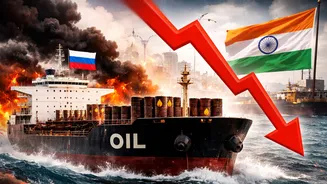
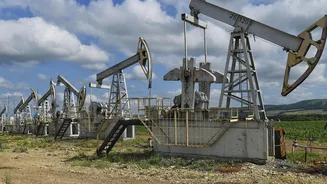
India's trade activities revealed significant trends during the review period. The country witnessed a decline in Russian fossil fuel imports, demonstrating a shift in import patterns. Additionally, India's vegetable oil imports increased by 8% in December, according to the Solvent Extractors' Association (SEA). On the other hand, soybean meal exports experienced a plunge. These changes in import dynamics suggest adjustments in response to international factors. The alterations in trade volumes reflect a combination of domestic demand and the impact of geopolitical and economic forces shaping India's trade relationships and commodity flows. This complex interplay of elements underscores the need for ongoing evaluation and strategic adjustments in India's trade policies.
Policy & Regulatory Insights
Several policy and regulatory developments are shaping India's financial and economic framework. The Ministry of Statistics and Programme Implementation (MOSPI) proposed chain-based IIP compilation, aiming to improve the accuracy of industrial production data. Telcos are seeking cuts in regulatory levies within the upcoming budget, as advocated by COAI. The RBI is set to resume the licensing of urban co-op banks, indicating a renewed focus on the cooperative banking sector. A PFRDA panel is exploring options for assured NPS payouts, suggesting potential improvements in retirement planning schemes. These initiatives underscore the government's commitment to refining the regulatory environment, encouraging investment, and supporting the financial well-being of its citizens. The proposed changes are designed to foster economic stability and promote long-term growth across diverse sectors of the Indian economy.
Other Economic Highlights
Several other developments are affecting the Indian economy. India's hiring rates saw a 15% increase in December, as reported by various sources. The Rupee faced a decline against the US dollar, influenced by various factors in the financial market. The government, in collaboration with the ICC, has signed an MoU to boost the industry. Furthermore, the CEA has shared insights into economic growth and financial inclusion. The rise in hiring rates suggests a positive trajectory in employment, while currency fluctuations and government policies continue to shape the financial landscape. These diverse aspects of the economy reflect the intricate interplay of external pressures and domestic dynamics that determine overall economic performance.