







Initial Signs Observed
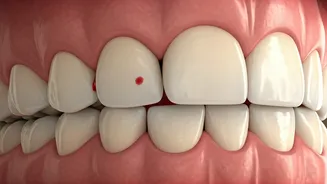
Bleeding gums can be an early indicator of a variety of oral health issues, often appearing when brushing or flossing teeth. The simple act of removing
plaque and debris can trigger bleeding, which may seem trivial but should not be ignored. Initially, the bleeding might be infrequent and minimal, perhaps noticed only a few times a week or even less frequently. The color of the blood might range from bright red to a darker hue, depending on factors such as inflammation levels and the severity of the underlying condition. Often, the bleeding is painless or accompanied by mild discomfort, making it easy to overlook. The gums might also appear slightly swollen or redder than usual, indicating an inflammatory response. Ignoring these subtle signals can lead to the worsening of the condition, potentially progressing into more serious dental problems. Consequently, recognizing and responding to these initial indicators can play a crucial role in preventing further complications and maintaining optimal oral health.
Gingivitis: The Root
Gingivitis, a common and often reversible form of gum disease, is frequently the primary cause of bleeding gums. This condition arises when plaque, a sticky film of bacteria, accumulates on the teeth and along the gumline. If this plaque isn't removed through regular brushing and flossing, it hardens into tartar, which exacerbates inflammation. The bacteria in plaque and tartar release toxins that irritate the gums, leading to swelling, redness, and bleeding. Gingivitis is usually characterized by gums that bleed easily, particularly when brushing or flossing. The gums might also appear tender or slightly swollen. Fortunately, gingivitis is typically treatable with good oral hygiene practices, including consistent brushing, flossing, and regular dental checkups. Professional cleaning by a dentist can remove plaque and tartar, allowing the gums to heal. Untreated gingivitis, however, can advance to periodontitis, a more severe form of gum disease that can cause bone loss and tooth loss.
Periodontitis Explained
Periodontitis, a more serious form of gum disease, develops when gingivitis is left untreated. In this advanced stage, the inflammation and infection spread beyond the gums, affecting the underlying bone and tissues that support the teeth. This condition causes the gums to pull away from the teeth, forming pockets where bacteria thrive. These pockets become infected, causing further damage to the bone and supporting structures. Bleeding gums, along with other symptoms, such as persistent bad breath, loose teeth, and changes in the bite, are key indicators of periodontitis. As the disease progresses, it can lead to significant bone loss, potentially resulting in tooth loss. Treatment for periodontitis usually involves professional deep cleaning procedures, such as scaling and root planing, to remove plaque and tartar from below the gumline. In some cases, surgery may be necessary to repair damaged tissues and bone. Maintaining good oral hygiene and receiving regular dental checkups is crucial in preventing and managing periodontitis.
Systemic Health Connection
The health of the gums is directly related to overall systemic health, and bleeding gums can sometimes point to underlying medical conditions. For example, individuals with diabetes are more susceptible to gum disease because diabetes can impair the body's ability to fight off infections. Uncontrolled blood sugar levels can also worsen inflammation in the gums, leading to bleeding. Similarly, hormonal changes during pregnancy can make the gums more sensitive and prone to bleeding. Certain medications, such as blood thinners, can also increase the risk of bleeding gums. Additionally, some nutritional deficiencies, like a lack of vitamin C, can weaken gum tissues, making them more vulnerable to bleeding. Thus, persistent bleeding gums can serve as a signal for underlying conditions, requiring a comprehensive assessment of overall health, alongside oral health evaluation.
Proper Dental Hygiene
Establishing and maintaining a diligent oral hygiene routine is crucial for preventing and managing bleeding gums. Brushing at least twice a day with fluoride toothpaste helps remove plaque and food particles, which are the main culprits behind gum inflammation. Ensure gentle brushing and using a soft-bristled toothbrush to prevent irritation and damage to the gums. Flossing daily is equally essential for removing plaque and debris from areas where the toothbrush cannot reach. Use the flossing technique correctly, making sure to gently slide the floss between teeth and along the gumline. The use of mouthwash can provide additional benefits by reducing the bacteria levels in the mouth, but should not replace brushing and flossing. Consider using mouthwash with antimicrobial properties as recommended by your dentist. Regular dental checkups and professional cleanings are equally essential for maintaining optimal oral health. Dentists and dental hygienists can remove plaque and tartar that regular brushing and flossing cannot eliminate, and can provide personalized advice for improved oral hygiene practices.
Professional Intervention
When dealing with bleeding gums, seeking professional help from a dentist or periodontist is essential. The dentist will perform a thorough examination, including assessing your gums' overall health, checking for pocket depths, and identifying any signs of gingivitis or periodontitis. X-rays may be necessary to assess the bone health around the teeth. Based on the diagnosis, the dentist will recommend a treatment plan, which may involve professional cleaning to remove plaque and tartar. In cases of periodontitis, the dentist may suggest deeper cleaning procedures, such as scaling and root planing, which remove plaque and tartar from below the gumline and smooth the tooth roots to promote gum reattachment. In severe cases, the dentist may refer you to a periodontist, a specialist in treating gum disease, for advanced treatments like surgical procedures or the use of antibiotics. Regular follow-up appointments are essential for monitoring progress and making necessary adjustments in your treatment plan. Adhering to the dentist's recommendations, including at-home care instructions, is essential for achieving and maintaining improved oral health.
Dietary and Lifestyle Changes
Making dietary and lifestyle adjustments can greatly influence the health of the gums and reduce bleeding. A balanced diet rich in essential nutrients, particularly vitamins C and D, plays a key role in maintaining gum health. Vitamin C strengthens the gum tissues, while vitamin D helps reduce inflammation and supports overall oral health. Including fruits, vegetables, and whole grains in the diet provides essential vitamins, minerals, and antioxidants, which help protect against gum disease. Avoiding sugary foods and drinks is important as they promote the growth of bacteria that cause plaque and gingivitis. Refraining from smoking is equally important, as smoking weakens the immune system, making it more difficult for the body to fight off gum infections. Regular exercise, managing stress, and getting adequate sleep are equally beneficial for improving overall health, which in turn benefits gum health. By adopting these lifestyle adjustments, you can greatly improve gum health and minimize the risk of bleeding gums, supporting a healthier and happier smile.