




The Greying Concern
The emergence of white hair before the age of 30 is a growing concern, no longer solely associated with the natural aging process. A confluence of modern
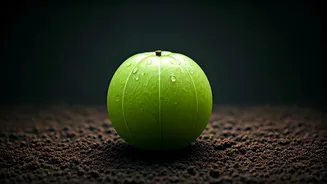
lifestyle factors, including elevated stress levels, environmental pollution, suboptimal dietary habits, insufficient sleep, and frequent exposure to harsh chemical treatments, contributes significantly to premature hair greying and increased hair loss. While immediate cosmetic solutions like hair dyes are readily available, their consistent application often compromises the integrity of hair roots, potentially leading to thinning hair, breakage, and a more pronounced rate of hair fall. This escalating issue is prompting a resurgence of interest in traditional, Ayurveda-inspired hair care methodologies, with Amla, commonly recognized as the Indian gooseberry, frequently highlighted as a potent natural remedy.
Amla's Hair Powerhouse
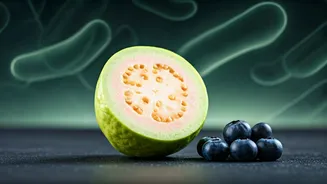
Within the ancient Ayurvedic system, dried Amla is revered as an exceptional ingredient for promoting robust hair health. Its rich profile, abundant in Vitamin C, iron, and potent antioxidants, plays a crucial role in nurturing the scalp, fortifying hair follicles, and encouraging the production of melanin, the essential pigment responsible for imparting natural hair color. Consequently, Amla proves particularly beneficial for individuals grappling with the onset of white hair and experiencing thinning at the hair's base. The consistent application of Amla is also thought to enhance blood circulation within the scalp, a mechanism that may contribute to slowing down the progression of premature greying, simultaneously mitigating hair loss and fostering more vigorous hair growth.
Simple Amla Rinse
One of the most straightforward and accessible methods for utilizing Amla to address concerns of white hair and hair loss involves its application as a hair rinse. To prepare this natural treatment, gently boil a handful of dried Amla pieces in water until the liquid achieves a deep, dark hue. Once the concoction has cooled sufficiently, strain out the solid pieces, and then use the infused water as the final rinse after shampooing your hair. Implementing this Amla water rinse two to three times per week can yield noticeable improvements in hair texture, impart a natural sheen, and contribute to maintaining a healthy scalp environment, all without resorting to chemical-laden products.
Nourishing Amla Oil
For those individuals who are particularly troubled by weak hair roots and significant hair breakage, Amla oil offers a more intensive treatment option. A potent hair oil can be concocted by combining dried Amla powder with a carrier oil such as coconut or mustard oil, followed by gentle heating. Regular application of this homemade Amla oil, massaged into the scalp, enhances moisture levels, alleviates dryness, and provides deep-seated strengthening to the hair from its very roots. Consistent use of this oil treatment has the potential to slow down hair loss and gradually enhance the perceived thickness and overall health of the hair strands over time.
Internal Amla Benefits
It is essential to recognize that the efficacy of topical Amla treatments is significantly amplified when complemented by internal consumption. Incorporating Amla into one's daily diet, whether through fresh fruit, juice, or powder form, contributes to bolstering the immune system, promoting better digestion, and aiding in the purification of the blood. Ayurvedic principles posit that this internal balance and well-being are directly reflected in the health and vitality of one's hair and skin. It is crucial, however, to approach Amla as part of a holistic health regimen; adequate sleep, sufficient hydration, effective stress management, and a well-rounded diet remain indispensable components for long-term control over premature greying and hair loss.