




Golden Hues, Healthy Skin?
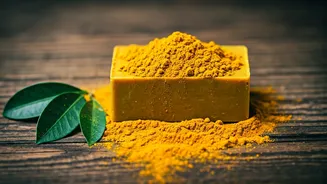
Turmeric soap's increasing popularity comes from the potential skincare advantages attributed to turmeric. Turmeric, a spice with a rich history in traditional
medicine, has become a trending ingredient in beauty products. Known for its vibrant yellow color, turmeric's key compound, curcumin, has drawn interest. Curcumin is celebrated for its antioxidant and anti-inflammatory properties, which may contribute to healthier skin. The surge in its use underscores a growing desire for natural and potentially beneficial skincare options. Many individuals seek solutions that not only cleanse but also nourish and protect the skin. The trend of using turmeric soap reflects a wider embrace of ingredients believed to offer multiple benefits, leading to healthier and radiant skin. The appeal goes beyond aesthetics, focusing on overall skin wellness and addressing various skin concerns with natural ingredients.
Benefits of Turmeric Soap
The main attraction of turmeric soap is its potential to improve skin health. Turmeric, specifically its active component curcumin, is renowned for its antioxidant properties. These antioxidants help combat free radicals, protecting the skin from damage caused by environmental factors. Additionally, the anti-inflammatory nature of curcumin may soothe irritated skin, providing relief from conditions like eczema and acne. Turmeric soap can also act as a gentle exfoliator, removing dead skin cells and revealing a brighter complexion. This exfoliating action, combined with its potential to lighten dark spots, makes it a valuable choice for those seeking a more even skin tone. Moreover, turmeric soap is often lauded for its potential to reduce acne and blemishes, offering a natural alternative for managing skin issues. Many users also report an increase in overall skin radiance and a smoother texture. The benefits make it a holistic choice for various skin care needs.
Who Should Proceed?
While turmeric soap offers many benefits, it’s essential to consider some precautions. Individuals with sensitive skin might experience irritation, redness, or dryness. Always start with a patch test by applying the soap to a small area before full use. If you have any allergies or pre-existing skin conditions, consulting a dermatologist before using turmeric soap is advisable. Although generally safe, turmeric soap might cause allergic reactions in some individuals. Certain formulations can also be overly drying, especially if they contain harsh additives. It’s important to select soaps with moisturizing ingredients to counteract this. Moreover, those prone to skin sensitivity or with compromised skin barriers should exercise caution, as the exfoliating properties of the soap could exacerbate these conditions. Being aware of these considerations and taking appropriate precautions can ensure a positive skincare experience.
Making Informed Choices
Choosing the right turmeric soap involves carefully considering its ingredients and the specific needs of your skin. Opt for products with natural and gentle ingredients, avoiding harsh chemicals. Look for soaps that include moisturizers like shea butter, coconut oil, or aloe vera to hydrate and soothe the skin. Always check the ingredient list to ensure you're not allergic to any component. Understanding your skin type—whether it's oily, dry, sensitive, or combination—is crucial for selecting a suitable product. Researching product reviews and comparing different brands will help to find one that aligns with your skin care goals. A well-informed decision will help to maximize the benefits and minimize the risks associated with turmeric soap, thus enhancing your skincare routine. Prioritize products that are free from artificial fragrances, parabens, and sulfates, which can sometimes irritate the skin.