






Liquid Calories Trap
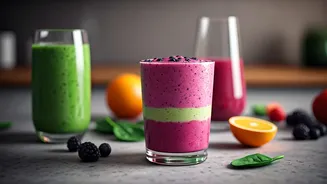
Many individuals reach for smoothies, juices, or protein shakes believing they are making a health-conscious choice. However, a significant concern arises
from how our bodies process these liquid calories. Unlike the satisfying crunch of a whole apple or the chewiness of a salad, beverages tend to move through our digestive system much more rapidly. This swift passage often fails to engage the same satiety signals that whole foods do, meaning we might consume a considerable number of calories without feeling genuinely full. Consequently, it's easier to ingest more than our body requires, contributing to a caloric surplus that can accumulate over time without us even realizing it. This disconnect between intake and perceived fullness is a primary reason why these drinks, despite their healthy reputation, can inadvertently lead to overconsumption and hinder weight management goals.
Fibre's Crucial Role
Fibre's Crucial Role
Protein Shakes Deconstructed
Protein shakes are frequently touted as a superior health option, especially among those actively pursuing fitness and well-being. While they can serve a purpose in specific dietary plans, they are not universally necessary. A substantial number of commercially prepared protein powders contain added sugars, artificial flavourings, and an excess of calories that aren't always apparent. If one doesn't have a clear understanding of their personal protein needs, these shakes could be quietly contributing to an overall caloric surplus. This doesn't necessarily mean they should be eliminated entirely from one's diet, but rather that their consumption should be approached with awareness and consideration.
Mindful Consumption Strategies
It's important to clarify that these beverages don't have to be completely off-limits. The key lies in understanding the nuances of their consumption—specifically, the timing and the preparation methods. Opting for whole fruits instead of their juice counterparts is generally a more beneficial choice. If you choose to make smoothies, prioritize recipes that retain the fruit's fibre and steer clear of any added sugars. For protein shakes, they can still be a valuable tool when used under professional guidance or to meet specific nutritional requirements. Making informed choices about how and when you consume these drinks can help you harness their potential benefits while mitigating their drawbacks, leading to a more balanced and sustainable approach to nutrition.