


Sudden Weight Loss
An unexpected drop in weight, unrelated to dieting or increased physical activity, is a significant red flag. Pancreatic cancer disrupts the body's ability
to properly digest and absorb nutrients from food, and it can also interfere with how the body metabolizes calories. This malabsorption and metabolic disturbance lead to unintended and often rapid weight loss, which should prompt an immediate consultation with a healthcare professional. It's crucial to differentiate this from intentional weight loss efforts, as the cause is internal and indicative of a serious underlying issue.
Persistent Fatigue & Weakness
Feeling unusually and persistently tired, even after rest, can be a symptom of pancreatic cancer. This fatigue is often deeper and more enduring than everyday tiredness from overwork or lack of sleep. Cancer-related fatigue can significantly impact daily life, making even simple tasks feel overwhelming. If you experience this prolonged exhaustion that doesn't improve with rest, it's essential to get it checked out by a doctor, as it could signal a serious health problem, including cancer.
Abdominal & Back Pain
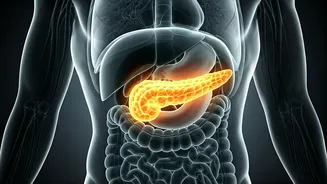
As a pancreatic tumor grows, it can exert pressure on surrounding nerves and organs, leading to pain in the upper abdomen, middle or lower back, or both. Initially, this discomfort might be intermittent, making it easy to dismiss. However, if this pain becomes persistent or severe, especially when accompanied by other symptoms, it requires prompt medical evaluation. The location and nature of the pain can vary depending on the tumor's position and its impact on nearby structures.
Blood Sugar Abnormalities
A new diagnosis of diabetes, particularly in individuals over 50 without a family history of the condition, can sometimes be an early indicator of pancreatic cancer. The pancreas plays a vital role in producing insulin, the hormone that regulates blood sugar. Tumors in the pancreas can disrupt this function, leading to elevated blood sugar levels or the onset of diabetes. People with existing diabetes might experience persistent high blood sugar or sudden, uncontrollable fluctuations.
Digestive & Stool Changes
Changes in digestion and stool consistency can signal problems with pancreatic function. Difficulty digesting fats can result in pale, oily, greasy, or foul-smelling stools. This occurs because the pancreas produces enzymes essential for fat absorption. Additionally, symptoms like bloating, indigestion, or feeling full after consuming small amounts of food can indicate poor pancreatic enzyme production. While these can mimic other digestive issues, their persistence should prompt medical attention.
Jaundice: Yellowing Skin/Eyes
Jaundice, the yellowing of the skin and whites of the eyes, can be a later symptom but is also one of the most externally visible signs of pancreatic cancer. This occurs when a tumor blocks the bile duct, preventing bile from flowing from the liver to the small intestine. Jaundice may also be accompanied by dark urine and itching of the skin. While it might appear later in the disease progression, its presence is a clear indication for immediate medical investigation.