
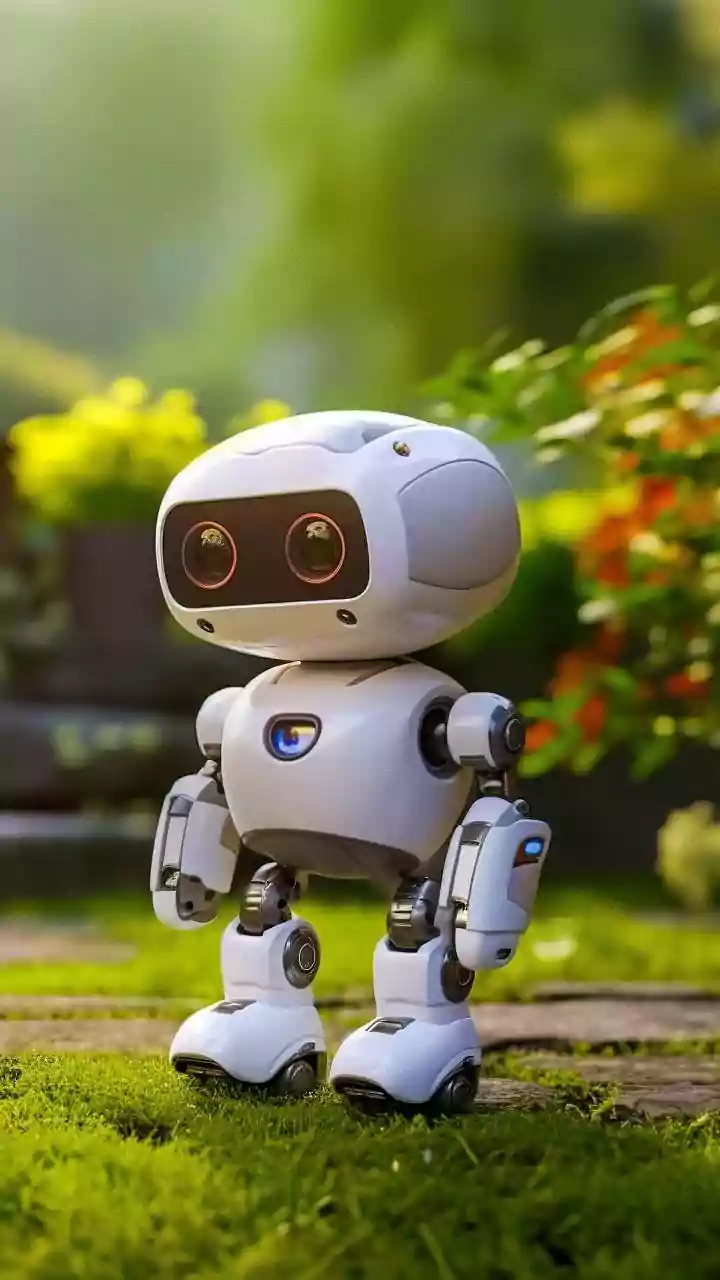






Robotic Interns at Work
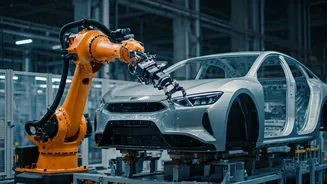
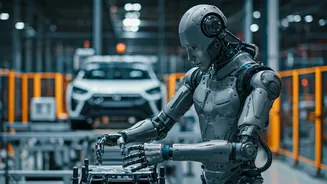
In a significant stride for automated manufacturing, humanoid robots are now being trialed on the assembly lines of an electric vehicle factory. These
advanced machines have demonstrated their capability by successfully completing over 90% of their assigned duties during a three-hour operational period. The robots are designed to handle specific, yet vital, tasks such as precisely installing nuts and efficiently transporting necessary materials across the production floor. This integration is crucial for meeting ambitious production targets, with the factory aiming to achieve a remarkable output of a new vehicle rolling off the line every 76 seconds. While their current role is likened to that of 'interns,' underscoring that they are not yet fully independent workers, their performance marks a pivotal moment in the burgeoning race for robotic advancement within China's industrial landscape.
China's Robot Race
The automotive sector is witnessing a rapid escalation in robotic innovation, with multiple companies actively developing and deploying advanced humanoid robots. Beyond this particular EV manufacturer, other notable Chinese startups are also making significant strides, including one that has developed its own distinct humanoid model, and another prominent smartphone maker that recently unveiled its inaugural robot. Market analyses indicate a substantial projected growth for the global humanoid robot sector, with predictions placing its value at an astounding $9 trillion by the year 2050. Crucially, China is anticipated to dominate this market, accounting for over 60% of its total value. While the nation already leads in the deployment of industrial robots, the introduction of bipedal, AI-powered humanoids working in tandem with human staff on dynamic production lines represents a new frontier. This trial is considered one of the earliest tangible examples of such advanced robotics successfully functioning in a real-world, fast-paced manufacturing environment.
Future Outlook for Robots
Despite the optimistic advancements, the widespread adoption and full capabilities of humanoid robots in manufacturing are still a subject of ongoing development. While company leadership expresses a positive outlook regarding the future of robotics, they also acknowledge that it is premature to definitively ascertain the ultimate market size and potential impact. The CyberOne robot, initially presented to the public in 2022, has not yet been made available for commercial purchase. Visuals shared by the company depict these robots meticulously performing the task of attaching lug nuts to vehicle chassis. Although a human team might execute this action with greater speed, the mere ability of humanoid robots to maintain the pace of a 76-second production cycle is a significant developmental milestone. This progress aligns with global trends, as demonstrated by initiatives in the United States, where efforts are underway to develop and manufacture humanoid robots within automotive factories, reflecting a broader industry shift towards greater automation and robotic integration.