
Puran Poli Perfection
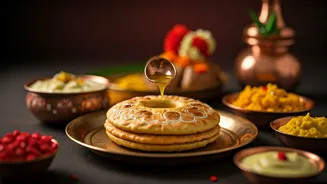
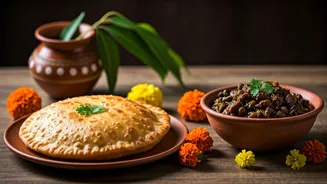
The undisputed star of Gudi Padwa feasts is undoubtedly Puran Poli. This delightful sweet flatbread features a rich filling crafted from boiled chana dal
(split chickpeas) and jaggery. The dough is carefully flattened around this sweet paste, creating a soft, pliable exterior. Infused with the warm, aromatic notes of cardamom and nutmeg, these golden discs are traditionally prepared to be enjoyed steaming hot, generously drizzled with ghee. This dish embodies the celebratory spirit, offering a taste of pure indulgence and tradition that is cherished by families year after year.
Creamy Shrikhand Bliss
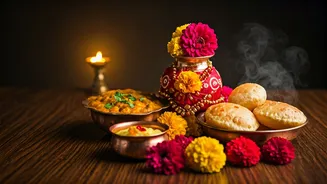
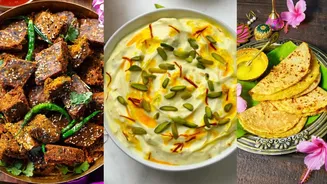
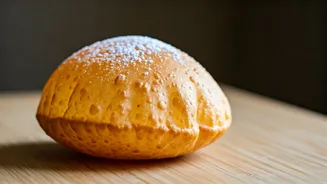
Complementing the hearty Puran Poli, Shrikhand offers a refreshing and luxurious dessert experience. This velvety delight is ingeniously prepared by straining yogurt until it achieves a thick, creamy consistency, known as hung curd. This rich base is then blended with sugar until smooth and often enhanced with the subtle floral notes of saffron and the warming spice of cardamom. Its cool, luscious texture provides a wonderful counterpoint to warmer dishes, especially when served alongside fluffy, fried puris, creating a harmonious blend of temperatures and textures that tantalize the palate.
Tangy Katachi Amti
A stroke of culinary genius, Katachi Amti ingeniously utilizes the leftover liquid from boiling chana dal for Puran Poli. This results in a thin yet flavorful lentil curry that is both spicy and tangy. The base is expertly tempered with a fragrant mixture of mustard seeds and fresh curry leaves, adding an aromatic depth. This savory preparation serves as a crucial balancing element in the meal, cutting through the sweetness of dishes like Puran Poli and Shrikhand, and showcasing the resourcefulness and tradition inherent in Marathi cuisine.
Ritualistic Neem & Jaggery
The very first taste on Gudi Padwa is a symbolic one: the combination of bitter neem leaves and sweet jaggery. This ritualistic prasad is more than just a food item; it's a profound reminder of life's inherent duality. The bitter essence of neem represents the hardships and sorrows that are an inevitable part of existence, while the sweetness of jaggery symbolizes the joys and pleasures. Consuming this mixture at the outset of the New Year signifies an acceptance of both the challenges and triumphs that lie ahead, fostering a balanced perspective.
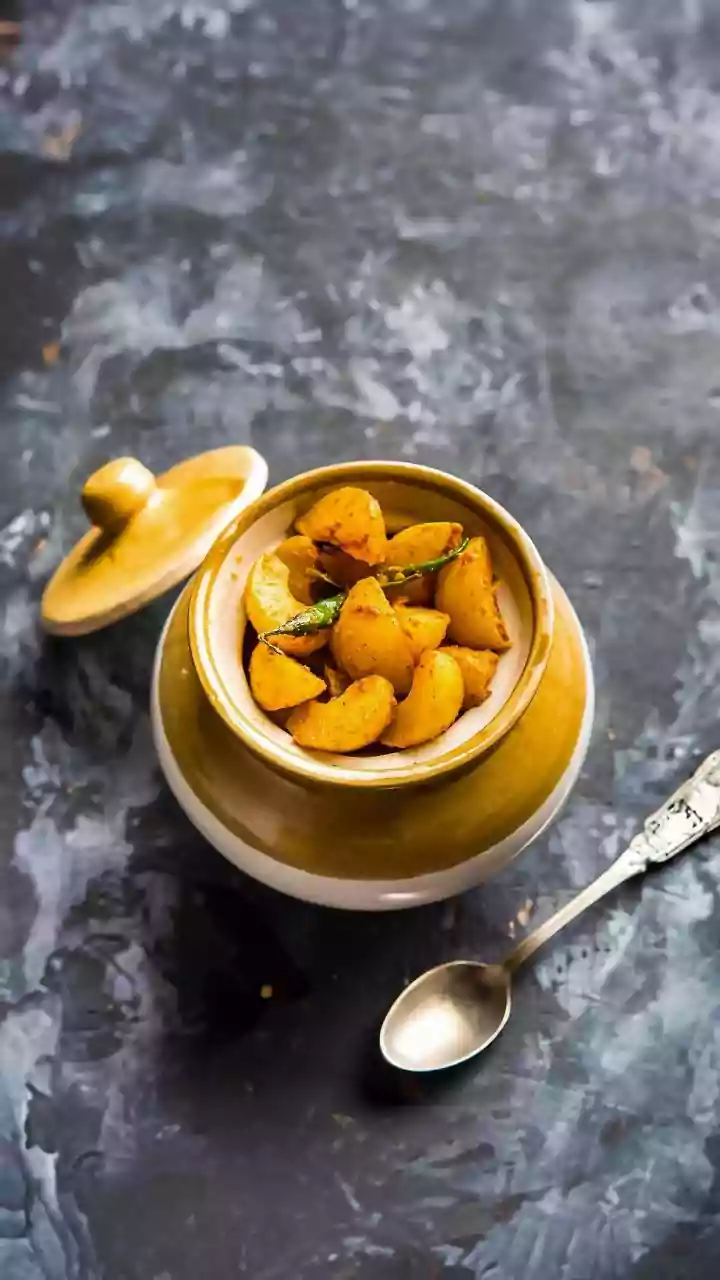
Savory Batata Bhaji
No traditional Marathi thali is complete without the comforting presence of Batata Bhaji. This simple yet exquisitely flavored yellow potato stir-fry is a festive essential. Cubes of potato are sautéed with finely chopped green chilies for a touch of heat, vibrant turmeric for its characteristic color, and the essential pop of mustard seeds. This bhaji acts as a perfect savory accompaniment, harmonizing beautifully with the sweetness of Shrikhand and the crispness of puris, rounding out the flavors of the celebratory meal with its familiar warmth.
Crisp Kothimbir Vadi
Kothimbir Vadi offers a delightful textural contrast to the softer dishes on the festive spread. These are essentially savory cakes made from a thick batter primarily composed of gram flour and a generous amount of fresh coriander leaves. The batter is first steamed, allowing it to set, and then typically shallow-fried until it achieves a delightful crispness on the exterior, while remaining tender within. Enhanced with the nutty flavor of sesame seeds and a blend of aromatic spices, these vadi provide a satisfying crunch and a burst of herbaceous freshness.
Fragrant Sakhar Bhaat
Adding a touch of elegance and sweetness to the main course, Sakhar Bhaat is a fragrant rice preparation. Long-grain Basmati rice is cooked to perfection and then infused with sugar and a delicate hint of saffron, which imparts a beautiful golden hue and subtle aroma. The dish is often adorned with plump raisins and roasted cashews, adding bursts of sweetness and a pleasant crunch. This glistening, golden rice is a celebratory staple, symbolizing prosperity and sweetness for the year ahead.
Spicy Masala Bhaat
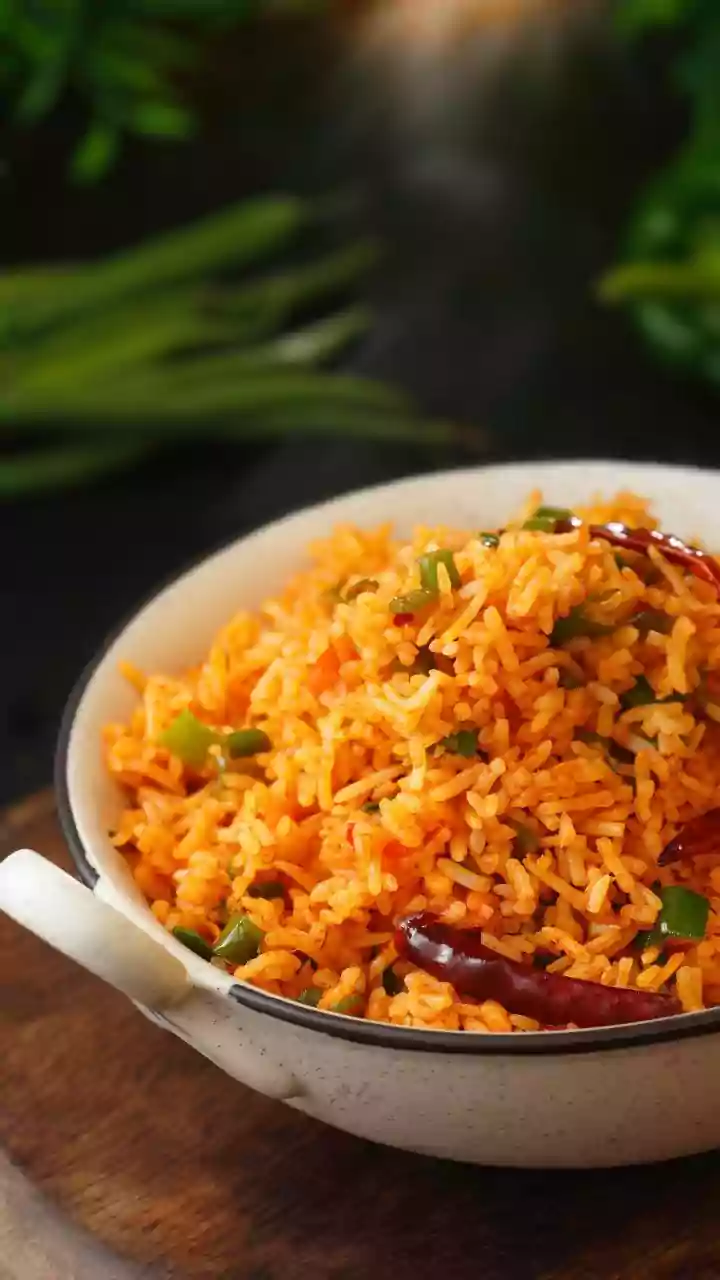
A hearty and flavorful alternative to sweet rice, Masala Bhaat is a spicy vegetable pilaf that is a cornerstone of celebratory feasts. Its distinctive taste comes from a unique blend of spices known as Goda Masala. This aromatic rice dish typically incorporates seasonal vegetables such as ivy gourd (tindora) or tender eggplant, adding texture and nutritional value. Often finished with a garnish of fresh, grated coconut, Masala Bhaat provides a robust, savory, and deeply satisfying element to the Gudi Padwa spread.
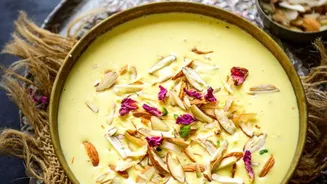
Rich Basundi Dessert
For a truly opulent conclusion to the Gudi Padwa meal, Basundi is the dessert of choice. This rich, thickened milk delicacy is prepared by meticulously simmering milk over low heat for an extended period, allowing it to reduce by half and develop a wonderfully creamy consistency. Sweetened with sugar and lavishly garnished with finely chopped almonds, vibrant pistachios, and fragrant saffron strands, Basundi is a luxurious treat. Its decadent flavor and smooth texture signify auspicious beginnings and a wish for abundance in the New Year.
Unique Alu Vadi
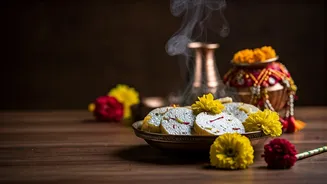
Alu Vadi offers a unique and much-loved snack experience, showcasing the versatility of gram flour and colocasia leaves. A flavorful, spiced gram flour paste is meticulously spread onto fresh colocasia (taro) leaves. These leaves are then carefully rolled into tight logs, steamed until cooked through, and subsequently sliced into attractive pinwheel shapes. These spirals are then often shallow-fried to achieve a delightful crispness, offering a complex and satisfying blend of earthy, spicy, and subtly tangy flavors that are a testament to traditional culinary artistry.