





Body's Changing Needs
As women transition into their 40s, their bodies experience significant physiological changes that necessitate a shift in nutritional focus. Hormonal fluctuations,
particularly declining estrogen levels, directly impact metabolism, bone density, and overall well-being. The dietary strategies that once served well in younger years may no longer be adequate to address these new demands. This life stage calls for a conscious reassessment of nutrient intake to support vital functions, maintain energy, and promote long-term health. Understanding these evolving requirements is the first step towards optimizing health and preventing potential deficiencies that can arise during this transformative period.
Vitamin D for Bones
One of the most critical nutrients for women over 40 is Vitamin D. Estrogen plays a significant role in bone health, and as estrogen levels decrease during perimenopause, women can experience an accelerated rate of bone loss, around 2-3% annually. Vitamin D is essential for calcium absorption, directly impacting bone density and strength. Furthermore, modern lifestyles often involve spending more time indoors, limiting natural sun exposure, which is a primary source of Vitamin D. Therefore, ensuring adequate intake of this vitamin is paramount for maintaining skeletal integrity and preventing conditions like osteoporosis.
Calcium's Crucial Role
Following closely on the heels of Vitamin D, Calcium is another cornerstone nutrient for women navigating their 40s and beyond. Similar to Vitamin D, diminishing estrogen levels also increase the body's demand for Calcium to maintain robust bone structure. The mineral is a fundamental building block for bones, and insufficient intake at this stage can significantly compromise bone density. Prioritizing calcium-rich foods within a balanced diet is key to supporting skeletal health and mitigating the increased risk of fractures and bone fragility associated with age-related hormonal shifts.
Magnesium for Comfort
Magnesium emerges as a vital ally for women over 40, offering support for common discomforts experienced during this life stage. Its role extends to helping alleviate muscle cramps, a frequent complaint, and promoting better sleep quality. Many women find that maintaining adequate magnesium levels contributes to a sense of calm and can mitigate issues related to insomnia. Incorporating magnesium-rich foods into the diet can therefore offer practical benefits for physical comfort and overall well-being during perimenopause.
B12 for Energy
Vitamin B12's importance cannot be overstated for women over 40. As the body ages, the efficiency of nutrient absorption from the gut can decrease. This slower absorption rate for Vitamin B12 means that even with adequate intake, the body might not be utilizing it as effectively. Deficiency in B12 can lead to profound fatigue and anemia, impacting daily energy levels and overall vitality. Ensuring sufficient B12 levels is crucial for maintaining energy production and preventing blood-related health issues.
B6 for Balance
Vitamin B6 plays a significant role in supporting hormonal equilibrium and mood regulation, which are often disrupted for women over 40. The fluctuating hormones characteristic of perimenopause can manifest as mood swings and emotional instability. Vitamin B6 aids in the synthesis of neurotransmitters that influence mood, making it an important nutrient for maintaining emotional well-being. Its contribution to hormonal balance helps women navigate the emotional challenges that can accompany this phase of life.
Antioxidants C & E
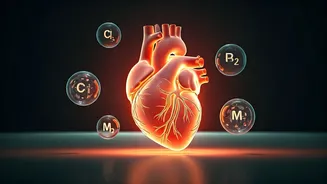
With age and hormonal fluctuations, the body experiences increased metabolic strain and oxidative stress. Vitamin C and Vitamin E are potent antioxidants that play a crucial role in combating this damage. Vitamin C is vital for energy pathways and protecting the skin from oxidative harm, contributing to its integrity and appearance. Vitamin E, also a powerful antioxidant, works to neutralize harmful free radicals, which are generated in greater amounts due to hormonal shifts. Both vitamins are essential for supporting heart health and protecting cellular damage.
Diet vs. Supplements
While a balanced Indian diet, rich in foods like paneer sabzi, ragi roti, curd rice, and eggs, naturally provides many essential vitamins, dietary gaps can still exist. For instance, around 70% of individuals experience Vitamin D shortages due to limited sun exposure. Vegans or those with low-meat diets may struggle with Vitamin B12, and perimenopause can reduce gut absorption by up to 50%. Metabolic slowdowns further decrease nutrient efficiency post-40. Therefore, while food should always be the primary source, supplements can bridge confirmed deficiencies after proper medical diagnosis and blood tests.
Supplement Warning
Self-prescribing supplements without a thorough understanding of individual needs and potential interactions can be detrimental. Fat-soluble vitamins like D and E can accumulate in the body, potentially leading to kidney stones or weakened bones. Excessive intake of Vitamin B6 (over 200 mg daily) can cause irreversible nerve damage, such as persistent tingling in the extremities. Furthermore, supplements can interfere with medications; for example, Calcium can hinder thyroid medication absorption, and Vitamin E might increase bleeding risk for those on aspirin. Overconsumption of multivitamins can even accelerate aging, increase cancer risks, or shorten lifespan. Therefore, consulting a health expert after receiving blood test results is crucial before adding any supplements.