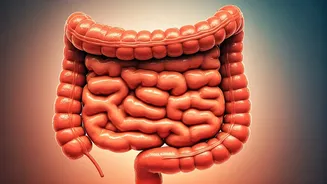

Constipation: The Myth
The typical assumption is that constipation is the initial warning sign of inadequate fiber consumption. However, this is not entirely accurate. While
constipation can indeed be a symptom of low fiber, it isn't always the first, or the most noticeable, indication. Many other less obvious signs can surface before constipation becomes a problem. These early signals may include changes in your digestive system's regularity, and variations in the microbiome, but aren't necessarily directly obvious. The absence of regular bowel movements can signify inadequate fiber consumption, yet it's essential to watch for other subtle changes that often precede it. These signals may appear as minor inconveniences initially, but if unattended, they may evolve into more severe conditions.
Early Fiber Deficiency Clues
Before constipation becomes a primary concern, your body might display several less-obvious signs of fiber deficiency. One of these can be irregular blood sugar levels. Fiber aids in stabilizing blood sugar, helping prevent the high and low swings. Another early sign is often increased hunger or sugar cravings. Because fiber helps you feel full longer, inadequate intake can leave you feeling constantly hungry, leading to overeating and further health issues. Furthermore, your body may exhibit changes in gut health. The gut microbiome relies on fiber to thrive; without enough, the balance of gut bacteria can shift, possibly causing digestive discomfort. These are the preliminary hints your body communicates that your fiber consumption requires attention.
Optimizing Fiber Intake
To prevent or address fiber deficiency, several strategies can be employed. The first step involves incorporating fiber-rich foods into your diet. This includes consuming plenty of fruits, vegetables, whole grains, and legumes. Aim to consume a variety of these foods to get different types of fiber and a broader spectrum of nutrients. Gradually increasing your fiber intake can assist your digestive system to adapt. Begin by adding small portions of fiber-rich foods and slowly increase the amount over time. Ensure you're drinking sufficient water. Fiber absorbs water, so proper hydration is necessary to prevent any digestive discomfort, such as bloating or gas. This also improves the passage of food through the digestive tract, preventing issues like constipation. Making these dietary changes and habits can significantly improve your well-being.
Benefits of Fiber Abundance
Beyond preventing fiber deficiency, an adequate intake of fiber can bring numerous health benefits. Fiber supports heart health by helping reduce cholesterol levels and the risk of heart disease. It aids in weight management by promoting fullness, thus decreasing the likelihood of overeating. Moreover, fiber helps regulate blood sugar levels, reducing the risk of type 2 diabetes. Adequate fiber intake can also enhance digestive health by maintaining regular bowel movements and improving the health of the gut microbiome. In the long run, fiber plays a pivotal role in overall health and well-being, helping to reduce the risk of many chronic conditions. By ensuring your diet is rich in fiber, you are investing in long-term health and vitality.