








Buy Less, Choose Wisely
The most impactful strategy to combat the escalating waste crisis in India, where millions of tons of municipal solid waste are generated daily, is to fundamentally
reduce consumption. Instead of frequently acquiring new items, particularly those of lower quality or driven by fleeting trends, prioritize investing in durable, high-quality products designed to last. This approach not only minimizes the frequency with which items are discarded but also significantly extends their lifespan. For instance, extending the usable life of clothing by a mere nine months can lead to a substantial reduction in its environmental footprint, encompassing carbon emissions, water usage, and waste generation by up to 20 percent. By shifting our focus to fewer, but superior, purchases, we directly diminish the volume of materials destined for overburdened landfills.
Segregate Waste Diligently
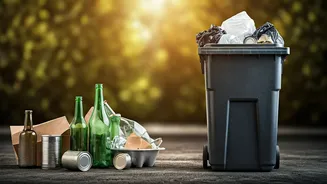
A substantial portion of recyclable materials in India, estimated at 17 percent of the total annual waste, unfortunately ends up in landfills due to improper handling at the household level. When dry recyclables, such as paper and plastic, become mixed with organic wet waste like food scraps, they become contaminated. This contamination often renders them unsuitable for processing, leading to their ultimate disposal in landfills. Therefore, cultivating the habit of meticulous waste segregation at home is paramount. By establishing distinct bins for wet waste, dry waste, and specific recyclables, individuals facilitate a more efficient and effective waste management system. This simple yet crucial step dramatically improves the chances of materials being properly recycled, diverting them from landfills and conserving valuable resources. Enhanced public awareness and straightforward segregation systems have been shown to significantly boost recycling rates in Indian urban centers.
Embrace Reusables
The pervasive use of single-use items, particularly plastics, poses a grave threat to India's environment, contributing to millions of tonnes of plastic waste annually that predominantly find their way into landfills. These items, used for mere minutes, persist in the environment for centuries. Making a conscious switch to reusable alternatives can dramatically curb this trend. Opting for a reusable water bottle instead of disposable plastic ones, carrying cloth bags for shopping excursions, and choosing durable metal lunch boxes over plastic containers are small yet powerful actions. These everyday adjustments collectively contribute to a significant reduction in plastic pollution, lessening the strain on landfill capacity and mitigating the long-term environmental damage caused by persistent plastic waste. The cumulative effect of these individual choices is substantial.
Compost Organic Waste
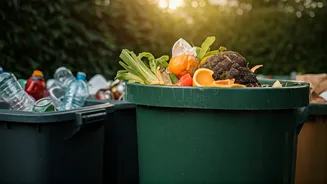
Organic matter, predominantly comprising food scraps and paper products, accounts for nearly half of the total household waste generated in India. When this organic material is sent to landfills, it undergoes decomposition in an anaerobic environment, releasing methane. Methane is a potent greenhouse gas, far more damaging to the climate than carbon dioxide. By implementing home or community composting, this waste stream can be transformed into a valuable resource. Composting converts kitchen waste into nutrient-rich soil, which can then be used for gardening or other agricultural purposes. This process not only diverts waste from landfills but also actively combats pollution. Studies indicate that composting can reduce emissions from organic waste by as much as 78 percent, marking it as one of the most effective sustainable practices for households to adopt, contributing to both waste reduction and climate change mitigation.
Cultivate A Conscious Closet
The textile industry contributes significantly to global waste, with millions of tonnes of clothing discarded annually, and India alone generates approximately 7.8 million tonnes of textile waste each year, a substantial portion of which ends up in landfills. Embracing a 'conscious closet' philosophy is a key strategy to mitigate this growing problem and foster a more sustainable lifestyle. This approach involves several straightforward actions: purchasing fewer garments, prioritizing the acquisition of high-quality, durable clothing items, dedicating time to repair existing apparel rather than discarding it, and donating clothing that is no longer needed but still in good condition. Even the simple act of wearing clothes for a longer duration before replacing them can have a remarkable impact on reducing the overall textile waste footprint, thereby lessening the burden on landfills and promoting a more circular economy within the fashion industry.