





Campaign's Strategic Reach
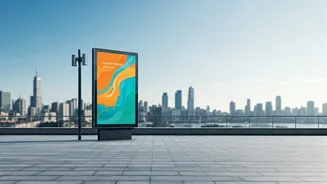
The tourism department is strategically targeting eleven key Indian metropolises to invigorate domestic tourism, allocating a substantial budget of Rs
3 crore for this extensive outdoor advertising campaign. This initiative spans a dedicated 45-day period, with the primary objective of drawing visitors from high-population regions that exhibit a growing middle class with considerable disposable income. The chosen cities include Lucknow, Prayagraj, and Patna in Uttar Pradesh and Bihar, respectively, alongside Thiruvananthapuram in Kerala. Maharashtra's influential cities, Pune and Nashik, are also on the list, as are Kolkata and Ahmedabad, along with Baroda and Surat in Gujarat, and finally Hyderabad in Telangana. This broad geographical spread is designed to tap into diverse consumer bases and highlight Goa's multifaceted appeal to a wide spectrum of potential tourists across the nation.
Promoting Year-Round Appeal
This ambitious advertising drive seeks to position Goa as a vibrant, year-round destination, countering any perceptions of it being solely a seasonal beach retreat. The campaign will highlight the state's offerings for a variety of travel interests, including destination weddings, corporate meetings and incentives (MICE), spiritual journeys, exploration of historical heritage sites, thrilling adventure activities, and, of course, its famed beaches. This multi-pronged approach aims to attract a broader audience beyond traditional holidaymakers. By emphasizing Goa's versatility, the department hopes to attract segments like the affluent business community in Gujarat for weddings and MICE, thereby boosting tourism throughout the year and diversifying the state's visitor profile.
Addressing Image Concerns
The launch of this significant advertising campaign occurs against a backdrop of persistent challenges concerning the safety and quality of tourist experiences in Goa. Recent incidents, such as a violent attack on a group of men resulting in head injuries and a fatal stabbing related to a monetary dispute, underscore the urgent need to address these issues. Furthermore, ongoing criticisms regarding poor hospitality, tourist-unfriendly attitudes, taxi fare disputes, beach shack licensing complexities, inadequate infrastructure, and a perceived lack of attentiveness to tourist needs continue to impact the state's reputation. The effectiveness of outdoor hoardings alone in rectifying these deep-seated perceptions remains a subject of debate among industry stakeholders, including hoteliers, who question whether such a campaign can truly shift the negative narrative.