



Getting Started
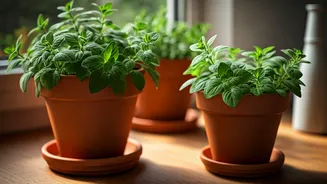
Beginning your home vegetable garden involves a few key initial steps. Firstly, assess the available space; consider a backyard, balcony, or even pots
indoors. Evaluate sunlight conditions, as most vegetables require at least six hours of sunlight daily. Next, select the vegetables you wish to grow; consider your personal preferences and the local climate. Research the optimal growing conditions for each vegetable, including soil type and watering needs. Good soil is paramount: ensure it's well-draining and rich in nutrients, possibly amending existing soil with compost. Starting with seedlings is often easier, but starting from seeds can be economical. Consider the size of your garden space while selecting plants, to avoid overcrowding. Finally, prepare your chosen area by removing weeds and any debris. With these fundamental preparations, you can lay the groundwork for a flourishing vegetable garden.
Choosing Your Plants
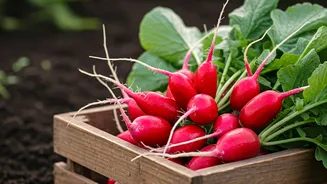
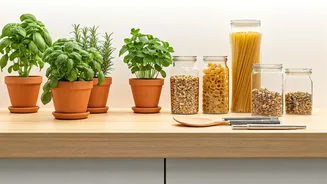
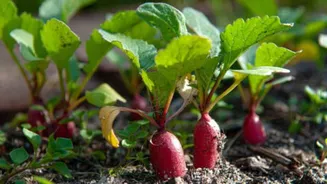
Selecting the right vegetables for your home garden is a critical step towards success. Consider your climate; some vegetables thrive in hotter months, while others flourish in cooler conditions. For beginners, start with easy-to-grow options like tomatoes, beans, spinach, and radishes. These are generally low-maintenance and quick to produce. Consider the amount of space available; bush varieties take less space than vining ones, making them ideal for smaller gardens or pots. Think about your family's preferences; choose vegetables that you and your family enjoy eating. Research varieties suited to your region's microclimate to enhance your yield. Read plant labels and seed packets carefully, and pay attention to spacing requirements. Succession planting is a strategy of planting crops at intervals to extend the harvest season. For example, plant a new batch of radishes every two weeks. Companion planting, where certain plants benefit each other, can also boost growth; for example, planting basil near tomatoes. By carefully selecting your plants, you set the stage for a bountiful harvest.
Planting Techniques
Proper planting techniques are essential for successful vegetable gardening. Ensure the soil is well-prepared, loose, and fertile before planting. When starting from seeds, sow them at the depth specified on the seed packet, and water gently. If using seedlings, gently remove them from their containers, and loosen any circling roots before planting. Space plants according to their mature size, providing enough room for growth and air circulation. Dig holes slightly larger than the root ball, place the plant, and backfill with soil, gently firming it around the roots. Water thoroughly after planting, and continue to water regularly, especially during dry periods. Mulching around the plants with organic material like straw or wood chips helps retain moisture, suppress weeds, and regulate soil temperature. Protect young seedlings from pests and harsh weather conditions by using row covers or temporary shelters. Provide support for vining plants like tomatoes and beans using stakes, trellises, or cages. Correct planting ensures a healthier and more productive garden.
Watering & Maintenance
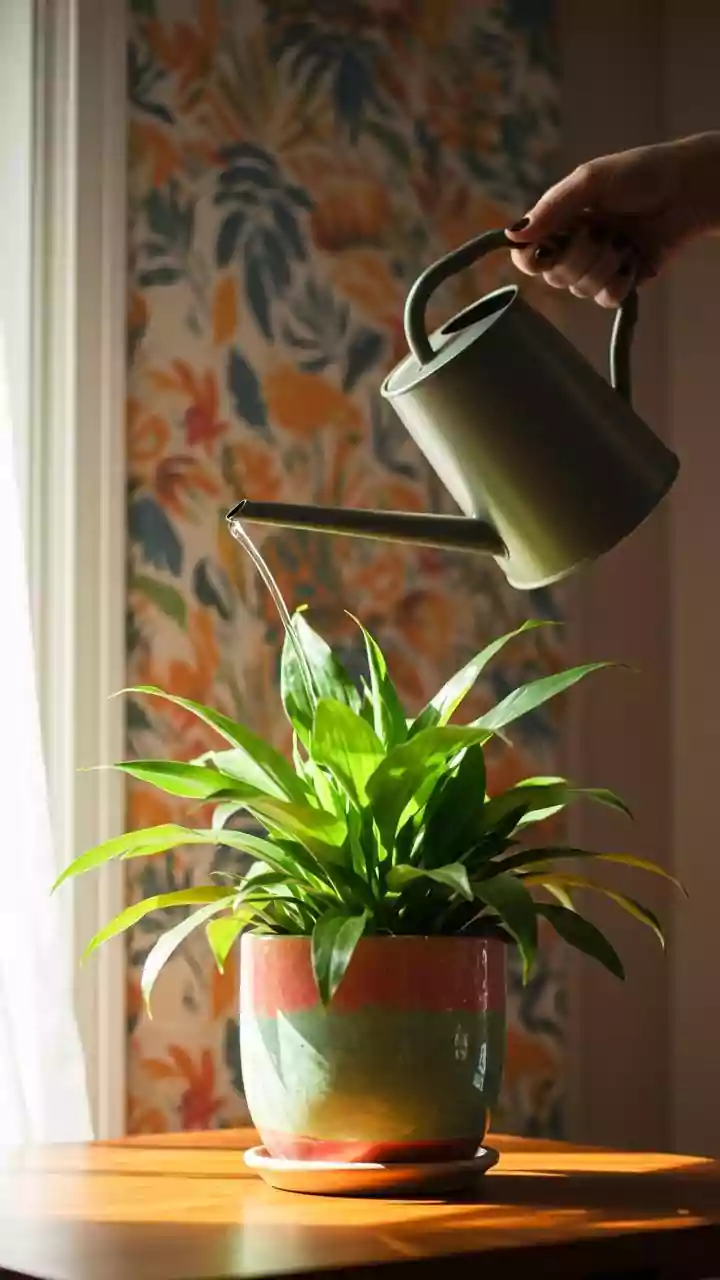
Regular watering and basic maintenance are crucial aspects of your home vegetable garden. Water your plants deeply and regularly, especially during dry periods, focusing on the soil rather than the foliage. Early morning watering is best, as it reduces the risk of fungal diseases. Check the soil moisture by inserting your finger a few inches into the soil; water when the top inch or two feels dry. Weed your garden regularly, as weeds compete with your vegetables for nutrients and water. Mulching around plants will help to reduce weeds. Fertilize your plants, as needed, following the instructions on the fertilizer package. Compost is a great option for enriching the soil. Prune your plants to encourage healthy growth and fruit production, removing dead or yellowing leaves. Keep an eye out for pests and diseases, and address them promptly using organic methods like insecticidal soap or neem oil. Monitor your plants, and adjust your care accordingly to achieve the best results.
Harvesting Your Bounty
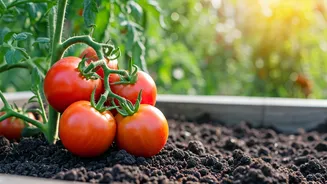
Harvesting vegetables at the right time is crucial for optimal flavor and nutritional value. The timing varies with each vegetable; learn the signs of ripeness for each of your plants. For example, tomatoes are ready when they turn their characteristic color and slightly soften. Beans are ready when the pods are firm and the beans inside are not yet fully developed. Lettuce and spinach can be harvested gradually by picking outer leaves, which allows the plant to continue growing. Harvest vegetables in the morning when they are at their freshest and have the highest water content. Use sharp scissors or a knife to cut vegetables from the plant, avoiding pulling or tearing. Handle your harvest carefully to avoid bruising. Enjoy the fresh flavors of your home-grown vegetables immediately, or store them properly to preserve their quality. Properly stored vegetables can be kept in the refrigerator for several days. Knowing when and how to harvest will help you enjoy the fruits (and vegetables) of your labor.