









Offline Retail Expansion
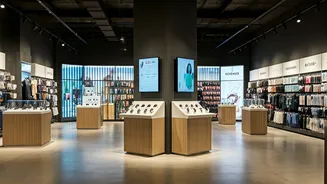
The emergence of Swiggy Instamart's first experiential store in Gurugram marks a noteworthy progression in the digital landscape. This move away from solely
online operations is not simply about offering a brick-and-mortar location; instead, it is an endeavor to cultivate a different sort of connection with consumers. The store is designed to go beyond typical online shopping and lets people experience products first-hand. This change could be a response to the way customers are now interacting with their products and how they want to make choices in person. By launching this store, Instamart shows a growing recognition of the value of blending the accessibility of online platforms with the immersive nature of in-store experiences.
Experiential Store Concept
The new Instamart store is all about creating an engaging experience. It is designed to be more than just a place to buy goods; it's a spot where customers can interact with the brand and try out new items. This approach includes integrating elements that provide a hands-on experience, which could include sampling, product demonstrations, or interactive displays. This differs significantly from its online model where product information is conveyed through images and descriptions. The physical store aims to build a sensory experience by allowing customers to see, touch, and perhaps taste products. Such an immersive strategy may foster stronger brand loyalty and provide a memorable retail journey that online shopping cannot provide.
Key Differentiators Explored
This physical Instamart store sets itself apart with several distinctive features. These might include a curated product selection that's designed to showcase novel and trending items. Furthermore, the store might use technology to enhance the shopping experience, like digital kiosks with interactive features that can give product information instantly or provide ways to personalize purchases. Another differentiating element could be personalized service, with staff able to offer expert advice and help customers. All these elements combined highlight Instamart's dedication to developing a retail experience that is both engaging and distinct. The result is a shift from the conventional purchase-driven model to a more experience-driven one that may draw in customers and encourage them to return.
Impact on Consumer Behavior
The launch of a physical store could significantly affect how consumers engage with Instamart. With the chance to examine goods, get advice, and experience the products in person, customers could be more willing to try new products, possibly increasing sales. The store could also influence consumer behavior by making them more loyal to the brand through in-person interactions. This can boost trust and build a stronger relationship than online shopping can. In addition, the store could provide a chance to collect useful feedback from customers, which Instamart can use to improve its services and product offerings. The move toward physical retail may change consumer expectations and behavior, with consumers expecting a more engaging and personalized shopping experience.
Future Retail Landscape
Swiggy Instamart's entry into the offline retail market might indicate a broader shift in the retail industry. It suggests that firms are increasingly merging their online and offline strategies to give consumers a complete shopping experience. The success of this move could encourage other digital-first companies to pursue similar physical store strategies. This convergence may lead to innovative retail models that put a premium on convenience, interactivity, and personalization. As the line between online and offline shopping continues to blur, consumers might anticipate a more flexible retail environment, where they can choose how they want to buy and engage with brands. The Gurugram store could set a new standard for shopping in the digital age.