

Bold Geometric No-Gos
Many of us recall the ubiquitous high-contrast geometric patterns, like striking black-and-white chevrons and trellis designs, that dominated interiors
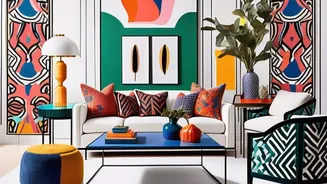
a decade ago. These bold graphics were once a go-to for injecting pattern and contrast into minimalist or monochromatic rooms. However, current design trends lean towards a softer aesthetic. Experts now find these stark patterns can appear overly busy and overwhelming, especially in open-plan living areas where a rug should ideally guide the eye and define zones without dominating the space. The modern preference is for designs that evoke nature, feature organic shapes, or offer a more subtle textural interest. Think of muted, earthy tones, traditional patterns with a richer, less graphic feel, or gentle stripes that create a more serene atmosphere.
Ornate Floral Overkill
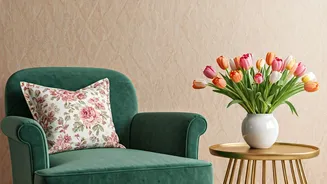
While floral motifs are experiencing a resurgence, designers are cautioning against an overly ornate and hyper-realistic style. These aren't the charming vintage-inspired floral patterns that are currently celebrated for adding character. Instead, the styles to steer clear of are reminiscent of the elaborate, almost photographic floral designs that were popular in the late '90s and early 2000s. These rugs often have a manufactured appearance and tend to be visually loud, demanding attention rather than complementing the room's decor. The contemporary approach favors floral patterns that appear more hand-drawn or have a timeworn, authentic vintage quality, offering depth and personality without overwhelming the overall design scheme.
Synthetic Material Slips
In line with the growing emphasis on sustainability and natural elements in contemporary design, synthetic rugs are falling out of favor. Interior designers are advising homeowners to move away from materials that, while marketed as stain-resistant, may contain harsh chemicals and introduce toxins into the living environment. Furthermore, thin, mass-produced rugs, often made from synthetic fibers, tend to have a short lifespan, necessitating frequent replacements. This not only contributes to waste but also proves uneconomical in the long run. The preferred alternative is a return to natural, renewable fibers like wool. These materials are celebrated for their durability, timeless appeal, and eco-friendly qualities, representing a more conscious and lasting choice for home decor.
Gray & Bright Clashes
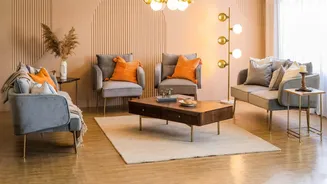
Another color combination that has fallen out of vogue is the pairing of gray with vibrant, artificial-bright hues. This aesthetic, prevalent in the previous decade, is now seen as somewhat sterile and lacking the warmth that modern interior design prioritizes. The trend has shifted towards palettes inspired by nature, favoring richer, more grounded color schemes. For a contemporary look, designers suggest combining warm neutrals like beige, cream, or soft brown with bolder, earth-toned shades such as deep forest green, rich maroon, or classic navy blue. This approach still allows for a touch of striking color while maintaining a sophisticated and inviting feel, aligning with current design sensibilities.
Faux Vintage Fades
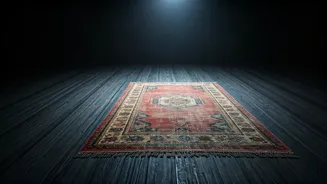
While genuine antique rugs and high-quality vintage-inspired designs are highly desirable, interior experts are urging caution against overly distressed, 'faux' vintage rugs. These imitations often lack the depth and authenticity of true vintage pieces. Typically manufactured from synthetic materials, they can appear flat and unnaturally vibrant, with a printed pattern that doesn't possess the subtle variations and texture found in aged textiles. To achieve that coveted old-world charm, designers recommend investing in actual antique rugs or seeking out premium reproductions that genuinely capture the dimension and character of aged textiles, ensuring a more substantial and lasting aesthetic impact.